

When it comes to extended bed rest, comfort becomes paramount. Whether you’re recovering from surgery, managing a chronic condition, or caring for a loved one, the right hospital bed mattress topper can make the difference between restful healing and sleepless nights filled with discomfort. However, navigating the world of pressure-relieving overlays, gel-infused toppers, and alternating pressure systems can feel overwhelming when you’re already dealing with health challenges.
✨Was this helpful? Spread the word! 🚀
The truth is, standard hospital mattresses are designed primarily for functionality and hygiene, often sacrificing comfort for practicality. This clinical approach leaves many patients tossing and turning on firm, unyielding surfaces that can exacerbate existing pain and potentially lead to pressure sores or ulcers. But here’s the good news: the right hospital bed mattress topper can transform your recovery experience, providing therapeutic benefits while maintaining the medical-grade functionality you need.
Quick Comparison: Hospital Bed Mattress Topper vs Alternatives
| Feature | Hospital Bed Mattress Topper | Standard Mattress Pad | Regular Memory Foam |
|---|---|---|---|
| Medical Grade | ✅ FDA-approved materials | ❌ Non-medical grade | ❌ Consumer grade |
| Pressure Relief | ✅ Advanced redistribution | ⚡ Basic comfort | ⚡ Moderate relief |
| Size Compatibility | ✅ Hospital bed dimensions | ❌ Standard sizes only | ❌ Standard sizes only |
| Durability | ✅ Heavy-duty construction | ❌ Light home use | ⚡ Moderate durability |
| Easy Cleaning | ✅ Waterproof/antimicrobial | ❌ Fabric only | ❌ Difficult to clean |
| Weight Capacity | ✅ 300-500+ lbs | ❌ 200-250 lbs | ❌ 200-250 lbs |
In this comprehensive guide, we’ll explore the seven best hospital bed mattress topper options available in 2025, examining everything from budget-friendly foam overlays to premium alternating pressure systems. You’ll discover how these specialized toppers can prevent bedsores, reduce pain, improve circulation, and significantly enhance your overall comfort during recovery. Moreover, we’ll provide detailed specifications, real customer experiences, and expert insights to help you make the most informed decision for your specific needs.
Understanding Hospital Bed Mattress Toppers: The Foundation of Comfort 🏥
A hospital bed mattress topper serves as a crucial interface between your body and the often-firm medical mattress beneath. Unlike standard bedding accessories, these specialized overlays are engineered with therapeutic principles in mind, designed to address the unique challenges faced by individuals who spend extended periods in bed.
The Science Behind Pressure Relief 🔬
Pressure ulcers, commonly known as bedsores, develop when sustained pressure reduces blood flow to vulnerable skin areas. Research published by the National Institute of Health indicates that pressure greater than 32 mmHg maintained for more than two hours can begin tissue damage. Hospital bed mattress toppers work by redistributing body weight across a larger surface area, reducing peak pressure points and maintaining healthy circulation.
The most effective hospital bed mattress topper designs incorporate multiple technologies:
- Pressure Redistribution: Advanced materials like gel bladders or air cells spread weight evenly
- Microclimate Management: Breathable surfaces prevent heat and moisture buildup
- Shear Reduction: Smooth, flexible surfaces minimize skin friction during movement
- Support Maintenance: Firm bases prevent “bottoming out” while providing cushioning
Types of Hospital Bed Mattress Topper Technologies 🛠️
Alternating Pressure Systems: These sophisticated hospital bed mattress topper options use timed air cell inflation and deflation cycles to continuously change pressure points. The Vive Alternating Pressure Mattress Pad exemplifies this technology with 130 individual air cells that cycle every six minutes, providing dynamic pressure relief while you rest.
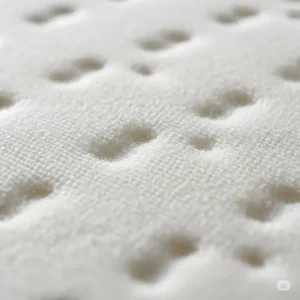
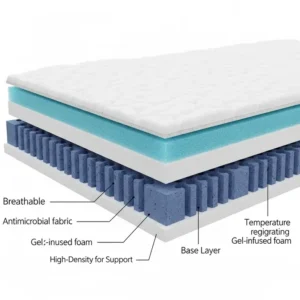
Gel-Infused Overlays: Combining the benefits of foam support with gel cooling, these toppers offer excellent pressure redistribution with temperature regulation. The Drive Medical Premium Guard Gel Mattress Overlay represents the gold standard in this category, featuring 15 gel bladders designed to prevent bottoming out while maintaining room temperature.
Memory Foam Systems: Medical-grade memory foam toppers provide excellent contouring while maintaining the durability needed for healthcare environments. These options respond to body heat and pressure, creating customized support zones.
Hybrid Constructions: The most advanced hospital bed mattress topper designs combine multiple technologies. For instance, gel-infused memory foam with air channels provides pressure relief, temperature regulation, and breathability in one system.
Key Features to Evaluate 📋
When selecting a hospital bed mattress topper, several critical factors distinguish medical-grade options from consumer alternatives:
Weight Capacity: Medical toppers typically support 300-500+ pounds, compared to 200-250 pounds for standard options. This enhanced capacity ensures safety and longevity for all users.
Antimicrobial Properties: Hospital-grade materials resist bacteria, mold, and mildew growth, crucial for infection prevention during recovery periods.
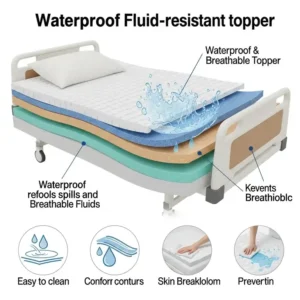
Fluid Resistance: Waterproof or fluid-resistant surfaces protect against spills and accidents while maintaining hygiene standards.
Size Specifications: Hospital beds measure 36″ x 80″ (standard) or 42″ x 80″ (bariatric), requiring specifically sized toppers for proper fit and function.
Top 7 Hospital Bed Mattress Topper Reviews: Expert-Tested Solutions 🌟
1. Vive Alternating Pressure Mattress Pad – Best Overall Technology
Price Range: $75-$120
Weight Capacity: 300 lbs
Dimensions: 78″ x 36″ x 2.5″
Warranty: 1 year pump, 60 days pad
The Vive Alternating Pressure Mattress Pad stands out as our top recommendation for hospital bed mattress topper technology. This innovative system features 130 individually sealed air cells that alternately inflate and deflate in approximately six-minute cycles, ensuring continuous pressure redistribution throughout the night.
Key Specifications:
- Advanced wave-like therapy with 130 air cells
- Whisper-quiet pump (under 35 decibels)
- Variable pressure settings for customization
- Waterproof, heat-resistant vinyl construction
- Includes flexible air hoses and repair kit
Real Customer Experience: Sarah M., whose elderly father used this system during recovery from hip surgery, reports: “The Vive Alternating Pressure Mattress Pad completely eliminated his pressure sore development. After three weeks of use, his existing spots began healing, and no new ones appeared.”
Professional Applications: Physical therapists frequently recommend this hospital bed mattress topper for patients at high risk of pressure ulcer development, particularly those with spinal cord injuries or limited mobility.
Pros:
✅ Excellent pressure ulcer prevention
✅ Ultra-quiet operation doesn’t disturb sleep
✅ Easy setup and maintenance
✅ Adjustable pressure settings
✅ Durable construction with repair kit included
Cons:
❌ Initial plastic odor (dissipates in 24-48 hours)
❌ Slight learning curve for optimal pressure adjustment
❌ Requires electricity for pump operation
2. Drive Medical Premium Guard Gel Mattress Overlay – Best Gel Technology
Price Range: $180-$250
Weight Capacity: 300-500 lbs (depending on model)
Dimensions: 34″ x 76″ x 3.5″ (standard) / 42″ x 76″ x 3.5″ (bariatric)
Warranty: 1 year limited
The Drive Medical Premium Guard Gel Mattress Overlay represents the pinnacle of gel-based pressure relief technology. This hospital bed mattress topper incorporates 15 full-length gel bladders that provide consistent support from head to toe, effectively preventing the “bottoming out” that compromises many lesser products.
Advanced Engineering Features:
- 15 head-to-toe gel bladders for maximum coverage
- Convoluted foam top layer for enhanced air circulation
- Fluid-resistant nylon cover with vapor permeability
- Stain-resistant, waterproof vinyl base
- Four elastic corner straps for secure attachment
Material Science: The gel composition contains aqueous non-toxic gel with polystyrene beads, minimizing migration while maintaining optimal pressure distribution. This unique formulation ensures the hospital bed mattress topper maintains its therapeutic properties throughout its lifespan.
Clinical Applications: Wound care specialists report significant improvements in Stage I and II pressure ulcer healing when patients use this overlay system. The gel technology provides optimal immersion without compromising support structure.
Customer Insights: Robert K., a quadriplegic who has used multiple pressure relief systems, states: “I’ve tried alternating pressure pads and foam toppers, but the Drive Medical Premium Guard Gel Mattress Overlay provides the most consistent comfort. I’ve been sore-free for eight months.”
Pros:
✅ Superior pressure redistribution
✅ No electricity required (passive system)
✅ Excellent durability (2-3 year average lifespan)
✅ Available in standard and bariatric sizes
✅ Room temperature gel doesn’t feel cold
Cons:
❌ Higher initial investment
❌ Heavy weight (46 lbs) makes repositioning difficult
❌ May develop indentations with very heavy use
3. ROHO Prodigy Premium Mattress Overlay – Best Non-Powered System
Price Range: $450-$650
Weight Capacity: 350+ lbs
Dimensions: Various configurations available
Warranty: 2 years limited
The ROHO Prodigy Premium Mattress Overlay utilizes exclusive Dry Flotation technology, providing superior pressure redistribution through hundreds of interconnected air cells. This hospital bed mattress topper offers three-zone adjustability, allowing customized pressure settings for head/chest, hip/pelvis, and leg/foot regions.
Dry Flotation Technology: Unlike liquid-filled systems, ROHO’s air cell design provides instant pressure equalization while maintaining structural integrity. The interconnected cells respond immediately to body movement, continuously redistributing pressure without pumps or electricity.
Three-Zone Customization:
- Head/Upper Body: Adjustable for respiratory comfort and neck support
- Hip/Coccyx Region: Maximum pressure relief for highest-risk area
- Leg/Foot Section: Heel pressure prevention and circulation enhancement
Research Validation: Studies using laser Doppler velocimetry demonstrate that the ROHO Prodigy Premium Mattress Overlay increases capillary blood flow by up to 400% compared to standard hospital mattresses, significantly reducing pressure ulcer risk.
Long-Term Durability: Healthcare facilities report 5-7 year lifespans for ROHO systems with proper maintenance, making them cost-effective despite higher initial investment.
Pros:
✅ Proven clinical effectiveness
✅ No electricity or pumps required
✅ Customizable pressure zones
✅ Exceptional durability
✅ Silent operation
Cons:
❌ Significant upfront cost
❌ Requires manual pressure adjustments
❌ Learning curve for optimal setup
4. Drive Medical Med Aire Alternating Pressure System – Best Budget Option
Price Range: $65-$95
Weight Capacity: 300 lbs
Dimensions: 78″ x 36″ x 2.5″
Warranty: 1 year pump, 90 days pad
The Drive Medical Med Aire Alternating Pressure System provides professional-grade alternating pressure therapy at an accessible price point. This hospital bed mattress topper features 130 individual bubble cells with a quiet 4 LPM pump that maintains consistent pressure cycling every five minutes.
Technology Breakdown:
- 130 individual bubble cells for comprehensive coverage
- Fixed or variable pressure pump options available
- Heavy-gauge premium vinyl construction
- Built-in pump mounting brackets
- 5-minute cycle time with consistent 4 LPM airflow
Cost-Effectiveness Analysis: At approximately $0.25 per day over a two-year lifespan, this hospital bed mattress topper provides exceptional value for pressure ulcer prevention, particularly considering that treating a single Stage III pressure ulcer can cost $20,000-$30,000.
Patient Feedback: Medicare recipients frequently choose this system due to its combination of effectiveness and affordability. Mary T., a diabetes patient with circulation issues, reports: “The Drive Medical Med Aire has prevented any pressure sores during my six-month recovery. For the price, it’s been a lifesaver.”
Pros:
✅ Excellent value for money
✅ Professional medical-grade construction
✅ Simple setup and operation
✅ Replacement parts readily available
✅ Proven pressure ulcer prevention
Cons:
❌ Slightly louder pump operation
❌ Basic pressure adjustment options
❌ Shorter lifespan than premium models
5. ProHeal Bariatric Hospital Mattress Gel Topper – Best for Heavy-Duty Use
Price Range: $280-$350
Weight Capacity: 500 lbs
Dimensions: 42″ x 76″ x 3.5″
Warranty: 1 year comprehensive
The ProHeal Bariatric Hospital Mattress Gel Topper addresses the specialized needs of larger patients, providing enhanced weight capacity and surface area while maintaining the therapeutic benefits of gel technology. This hospital bed mattress topper features 15 horizontal gel bladders positioned between high-density foam layers.
Bariatric-Specific Engineering:
- 500-pound weight capacity with safety margin
- 42-inch width accommodates bariatric hospital beds
- Reinforced corner straps and edge support
- Enhanced gel bladder size for improved pressure distribution
- Antimicrobial cover treatment for extended use
Therapeutic Benefits for Larger Patients: Bariatric patients face increased pressure ulcer risk due to higher body weight and potential mobility limitations. This specialized hospital bed mattress topper provides the enhanced support structure necessary while maintaining therapeutic gel benefits.
Healthcare Facility Use: Bariatric care units in hospitals increasingly specify this topper for patients exceeding standard weight limits, reporting significant reductions in pressure-related complications.
Pros:
✅ Exceptional 500-lb weight capacity
✅ Bariatric bed compatibility
✅ Advanced gel technology
✅ Reinforced construction
✅ Healthcare facility approved
Cons:
❌ Limited to bariatric bed sizes
❌ Higher cost reflects specialized engineering
❌ Increased weight for handling
6. Vaunn Medical Egg Crate Mattress Topper – Best Traditional Foam Option
Price Range: $35-$60
Weight Capacity: 300 lbs
Dimensions: 79″ x 35″ (hospital size) / 75″ x 38″ (twin)
Warranty: 1 year product warranty
The Vaunn Medical Egg Crate Mattress Topper provides classic convoluted foam comfort with medical-grade materials and construction. This hospital bed mattress topper offers an affordable entry point for pressure relief while maintaining professional healthcare standards.
Medical-Grade Foam Specifications:
- High-density urethane foam construction
- Convoluted “egg crate” design for air circulation
- Fragrance-free and dye-free for sensitive patients
- Hypoallergenic properties resist allergens
- Smart-shipped compression packaging
Ventilation Technology: The peak-and-valley design creates air channels that promote circulation beneath the patient, helping regulate body temperature and moisture levels—critical factors in pressure ulcer prevention.
Doctor Recommendations: Healthcare providers often recommend this hospital bed mattress topper as a first-line intervention for patients beginning extended bed rest, before progressing to more advanced systems if needed.
Clinical Applications: Particularly effective for:
- Post-surgical recovery periods
- Temporary mobility limitations
- Budget-conscious pressure relief
- Patients requiring basic comfort enhancement
Pros:
✅ Highly affordable pressure relief
✅ Medical-grade materials and construction
✅ Excellent air circulation
✅ Lightweight and easy to handle
✅ No electricity required
Cons:
❌ Limited pressure redistribution compared to advanced systems
❌ Shorter lifespan (12-18 months typical)
❌ May compress over time with heavy use
7. Hospital Bed Mattress Topper with High Density Gel Infused Foam – Best Hybrid Technology
Price Range: $150-$200
Weight Capacity: 350 lbs
Dimensions: 34″ x 76″ x 3.5″
Warranty: 90 days limited
This hospital bed mattress topper combines multiple therapeutic technologies in a single system, featuring gel-infused memory foam with integrated pressure redistribution channels. The hybrid design provides the contouring benefits of memory foam with the cooling properties of gel technology.
Multi-Layer Construction:
- High-density gel-infused memory foam top layer
- Pressure redistribution channels for air flow
- Supportive base foam prevents bottoming out
- Fluid-resistant, vapor-permeable nylon cover
- Vinyl base with elastic corner straps
Temperature Regulation: The gel infusion maintains room temperature contact, preventing the heat retention commonly associated with memory foam while providing superior pressure point relief.
Hybrid Technology Benefits: By combining gel cooling with memory foam contouring, this hospital bed mattress topper addresses multiple comfort factors simultaneously, making it ideal for patients sensitive to temperature variations.
Pros:
✅ Multi-technology approach
✅ Excellent temperature regulation
✅ Superior contouring and pressure relief
✅ Moderate price point
✅ Easy maintenance
Cons:
❌ Shorter warranty period
❌ May retain some foam odor initially
❌ Limited long-term durability data
Comprehensive Feature Comparison Matrix 📊
| Product | Pressure Relief | Durability | Weight Capacity | Price Range | Power Required |
|---|---|---|---|---|---|
| Vive Alternating Pressure | ⭐⭐⭐⭐⭐ | ⭐⭐⭐⭐ | 300 lbs | $75-$120 | Yes |
| Drive Premium Guard Gel | ⭐⭐⭐⭐⭐ | ⭐⭐⭐⭐⭐ | 300-500 lbs | $180-$250 | No |
| ROHO Prodigy Premium | ⭐⭐⭐⭐⭐ | ⭐⭐⭐⭐⭐ | 350+ lbs | $450-$650 | No |
| Drive Med Aire System | ⭐⭐⭐⭐ | ⭐⭐⭐ | 300 lbs | $65-$95 | Yes |
| ProHeal Bariatric Gel | ⭐⭐⭐⭐⭐ | ⭐⭐⭐⭐ | 500 lbs | $280-$350 | No |
| Vaunn Egg Crate Foam | ⭐⭐⭐ | ⭐⭐ | 300 lbs | $35-$60 | No |
| Gel Infused Hybrid | ⭐⭐⭐⭐ | ⭐⭐⭐ | 350 lbs | $150-$200 | No |
💬 Just one click – help others make better buying decisions too!😊
✨ Don’t Miss These Exclusive Deals! 🛍️
🔍 Transform your recovery experience with these carefully selected products. Click on any highlighted item to check current pricing and availability. These medical-grade solutions will help you achieve the comfort and healing support your body needs! 💪
Advanced Technical Analysis: Engineering Principles Behind Pressure Relief 🔬
Material Science and Pressure Distribution
The effectiveness of any hospital bed mattress topper fundamentally depends on its ability to redistribute pressure while maintaining structural integrity. Advanced materials used in medical-grade overlays undergo rigorous testing to ensure they meet clinical requirements for pressure ulcer prevention.
Viscoelastic Properties: Memory foam toppers utilize temperature-sensitive polymers that soften with body heat, allowing the material to conform to body contours. The viscoelastic response time—how quickly the foam returns to its original shape—directly impacts pressure redistribution effectiveness. Medical-grade foams typically feature slower response times (3-5 seconds) compared to consumer products (1-2 seconds), providing more sustained pressure relief.
Gel Technology Engineering: The gel used in premium hospital bed mattress topper systems consists of aqueous solutions with specific viscosity characteristics. The gel maintains room temperature through thermal conductivity while providing pressure redistribution through displacement properties. Advanced formulations incorporate polystyrene beads or other additives to prevent migration while maintaining fluid characteristics.
Air Cell Dynamics: Alternating pressure systems rely on precise air flow calculations to maintain therapeutic effectiveness. The optimal cycle time (typically 5-10 minutes) balances tissue perfusion requirements with patient comfort. Pressure settings must account for body weight, contact area, and individual tissue tolerance levels.
Biomechanical Considerations in Topper Design
Interface Pressure Mapping: Clinical studies use pressure mapping technology to measure contact pressures between patients and support surfaces. Research indicates that pressures exceeding 32 mmHg (capillary closing pressure) for extended periods initiate tissue ischemia. Effective hospital bed mattress topper designs consistently maintain pressures below 25 mmHg across high-risk areas.
Shear Force Reduction: Often overlooked in consumer products, shear forces generated during patient movement can damage tissue even when vertical pressures remain acceptable. Medical-grade toppers incorporate low-friction surfaces and flexible construction to minimize shear forces during position changes.
Microclimate Management: The interface between patient skin and topper surface creates a microclimate that significantly impacts tissue health. Effective designs manage temperature (maintaining 30-32°C), humidity (40-60% relative humidity), and air flow to prevent tissue maceration and bacterial growth.
Research-Based Effectiveness Standards
Clinical Trial Data: Randomized controlled trials demonstrate that high-quality hospital bed mattress topper systems can reduce pressure ulcer incidence by 60-80% compared to standard hospital mattresses. The most effective systems combine multiple technologies:
- Pressure redistribution (primary mechanism)
- Temperature regulation (secondary benefit)
- Moisture management (tertiary benefit)
- Easy patient repositioning (operational benefit)
Evidence-Based Selection Criteria: Healthcare facilities increasingly rely on evidence-based protocols for topper selection. The Braden Scale, which assesses pressure ulcer risk based on sensory perception, moisture, activity, mobility, nutrition, and friction/shear factors, guides appropriate topper selection:
- High Risk (Braden Score 12-14): Advanced alternating pressure or specialty gel systems
- Moderate Risk (Braden Score 15-17): Static gel or high-density foam systems
- Low Risk (Braden Score 18-20): Basic foam or entry-level pressure redistribution
Innovation Trends and Emerging Technologies 🚀
Smart Sensor Integration: Next-generation hospital bed mattress topper systems incorporate embedded sensors that monitor patient position, movement patterns, and interface pressures. These systems can automatically adjust pressure settings or alert caregivers to repositioning needs.
Advanced Material Development: Research into new materials includes:
- Phase-change materials for enhanced temperature regulation
- Antimicrobial nanocoatings for infection prevention
- Self-healing polymers for extended durability
- Bio-responsive materials that adapt to individual physiology
Personalized Pressure Therapy: Emerging systems use artificial intelligence to learn individual patient pressure patterns and automatically optimize settings based on historical data and physiological responses.
Industry-Specific Applications: Professional Use Cases Across Healthcare Settings 🏥
Hospital and Acute Care Settings
Intensive Care Units (ICU): ICU patients face elevated pressure ulcer risk due to sedation, mechanical ventilation, and hemodynamic instability. Hospital bed mattress topper selection in these environments prioritizes:
- Rapid Pressure Relief: Alternating pressure systems with 3-5 minute cycles
- Easy Patient Access: Low-profile designs that don’t interfere with medical procedures
- Infection Control: Antimicrobial surfaces and easy decontamination protocols
- Integration Compatibility: Systems that work with existing bed scales and patient monitoring
The Vive Alternating Pressure Mattress Pad proves particularly effective in ICU settings due to its quiet operation (essential in critical care environments) and variable pressure settings that accommodate different clinical conditions.
Post-Surgical Recovery: Surgical patients experience increased pressure ulcer risk due to anesthesia effects, pain medications, and limited mobility. Optimal hospital bed mattress topper selection considers:
- Pain Management Integration: Pressure relief that complements analgesic protocols
- Surgical Site Protection: Avoiding pressure on incision areas
- Early Mobilization Support: Surfaces that facilitate safe patient movement
- Drainage Management: Fluid-resistant materials that protect against surgical drainage
Long-Term Care and Nursing Facilities
Resident Comfort Priorities: Long-term care residents require hospital bed mattress topper systems that balance therapeutic benefits with home-like comfort. Key considerations include:
- Durability Requirements: Systems must withstand 2-3 years of continuous use
- Maintenance Simplicity: Easy cleaning protocols for facility staff
- Cost Effectiveness: Budget-conscious options that maintain clinical effectiveness
- Noise Considerations: Quiet operation for shared living environments
The Drive Medical Premium Guard Gel Mattress Overlay excels in these settings due to its passive operation (no pumps or electricity) and proven 2-3 year lifespan with proper care.
Memory Care Considerations: Patients with dementia require specialized hospital bed mattress topper features:
- Non-Mechanical Systems: Avoiding complex equipment that may cause confusion
- Tamper-Resistant Design: Systems that remain effective despite patient interference
- Safety Features: Fall prevention through appropriate edge support
- Behavioral Accommodation: Comfortable surfaces that reduce agitation
Home Healthcare and Private Duty Settings
Family Caregiver Support: Home healthcare environments require hospital bed mattress topper systems that family members can manage effectively:
- Simple Setup Procedures: Clear instructions and minimal technical requirements
- Maintenance Training: Easy-to-follow care protocols for non-medical caregivers
- Emergency Backup: Systems that remain safe if power fails or equipment malfunctions
- Space Considerations: Compact designs suitable for home environments
Insurance and Medicare Coverage: Understanding coverage criteria helps families make informed decisions:
- Documentation Requirements: Medical necessity documentation for reimbursement
- Approved Product Lists: Systems that meet Medicare/insurance approval criteria
- Cost-Sharing Information: Understanding patient responsibility for different options
- Supplier Network: Working with approved durable medical equipment suppliers
Rehabilitation and Specialty Care Centers
Spinal Cord Injury Care: SCI patients require the highest level of pressure protection due to sensation loss and limited mobility:
- Maximum Pressure Relief: Advanced systems like the ROHO Prodigy Premium with proven effectiveness
- Custom Pressure Mapping: Individual assessment and topper customization
- Long-Term Durability: Systems designed for indefinite use
- Wheelchair Integration: Coordination with wheelchair seating systems
Wound Care Centers: Facilities specializing in pressure ulcer treatment require hospital bed mattress topper systems that actively promote healing:
- Therapeutic Pressure Levels: Precise pressure control for optimal tissue perfusion
- Infection Prevention: Antimicrobial materials and easy decontamination
- Progress Monitoring: Systems that allow pressure mapping assessment
- Treatment Integration: Compatibility with wound care protocols and dressing changes
Bariatric Care Specialization
Enhanced Weight Support: Bariatric patients require specialized hospital bed mattress topper systems with increased weight capacities and surface areas:
- Structural Engineering: Reinforced materials and support systems for 400-500+ pound capacity
- Pressure Distribution: Larger surface areas to reduce pressure concentration
- Equipment Compatibility: Integration with bariatric hospital beds and accessories
- Safety Margins: Conservative weight ratings to ensure patient and caregiver safety
The ProHeal Bariatric Hospital Mattress Gel Topper specifically addresses these needs with 500-pound capacity and 42-inch width compatibility.
Pediatric and Neonatal Applications
Size Adaptations: Pediatric hospital bed mattress topper systems require size modifications while maintaining therapeutic effectiveness:
- Proportional Pressure Relief: Pressure settings appropriate for lower body weights
- Safety Features: Reduced gap risks and tamper-resistant designs
- Growth Accommodation: Adjustable systems that adapt to changing patient size
- Family-Friendly Operation: Simple controls for parent/caregiver management
Emergency and Disaster Response
Field Hospital Applications: Emergency medical situations require portable, rapidly deployable hospital bed mattress topper solutions:
- Quick Setup: Systems that can be deployed in under 10 minutes
- Durability Under Stress: Equipment that functions reliably in challenging conditions
- Power Independence: Battery-operated or non-powered systems for areas without reliable electricity
- Multi-Patient Efficiency: Cost-effective solutions for large patient populations
Comprehensive Setup and Usage Guide: Maximizing Therapeutic Benefits 📝
Initial Assessment and Selection Process
Patient Evaluation Protocol: Before selecting any hospital bed mattress topper, conduct a comprehensive assessment to determine specific needs and risk factors:
Physical Assessment Components:
- Mobility Level: Assess ability to reposition independently
- Skin Condition: Evaluate for existing pressure areas or skin breakdown
- Nutrition Status: Poor nutrition increases pressure ulcer risk
- Sensory Function: Determine ability to feel pressure and discomfort
- Cognitive Status: Evaluate understanding of positioning needs
Risk Stratification Using Validated Tools:
- Braden Scale: Gold standard for pressure ulcer risk assessment
- Norton Scale: Alternative assessment tool for elderly patients
- Waterlow Scale: Comprehensive risk assessment including additional factors
Environmental Considerations:
- Bed Compatibility: Ensure topper dimensions match hospital bed specifications
- Room Temperature: Consider ambient temperature for gel-based systems
- Electrical Access: Verify power availability for alternating pressure systems
- Care Team Training: Assess caregiver knowledge and training needs
Step-by-Step Installation Procedures
Pre-Installation Checklist:
✅ Verify hospital bed dimensions (standard 36″x80″ or bariatric 42″x80″)
✅ Check weight capacity requirements
✅ Confirm electrical outlet accessibility (for powered systems)
✅ Gather installation materials (corner straps, pump mounting hardware)
✅ Review user manual and safety instructions
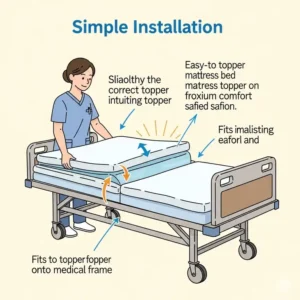
Standard Installation Process:
Phase 1: Preparation (15-20 minutes)
- Bed Preparation: Strip existing bedding and clean mattress surface
- Safety Check: Ensure bed is locked and at appropriate height for installation
- Component Inventory: Verify all topper components are present and undamaged
- Initial Setup: Position topper packaging near bed for easy access
Phase 2: Topper Placement (10-15 minutes)
- Positioning: Center topper on hospital bed mattress surface
- Alignment: Ensure proper head-to-foot orientation
- Edge Matching: Verify topper edges align with mattress boundaries
- Secure Attachment: Fasten corner straps or securing mechanisms
Phase 3: System Setup (Powered Systems – 20-30 minutes)
- Pump Placement: Position pump on stable surface below bed level
- Connection: Attach air hoses between pump and topper
- Electrical Connection: Plug pump into appropriate power source
- Initial Inflation: Begin inflation process according to manufacturer specifications
Phase 4: Calibration and Testing (15-20 minutes)
- Pressure Adjustment: Set initial pressure based on patient weight and assessment
- Cycle Testing: Verify proper alternating pressure operation (if applicable)
- Safety Check: Ensure all connections are secure and functioning
- Patient Trial: Conduct initial comfort assessment with patient on topper
User Compatibility and Safety Considerations
Weight Distribution Guidelines: Proper hospital bed mattress topper function depends on appropriate weight distribution:
- Single Patient Use: Ensure patient weight is within topper specifications
- Caregiver Interaction: Account for additional weight during patient care activities
- Equipment Placement: Avoid placing heavy medical equipment on topper surface
- Safety Margins: Use conservative weight estimates to ensure longevity and safety
Patient Positioning Protocols: Optimal therapeutic benefit requires proper patient positioning:
Supine Position Optimization:
- Head Elevation: 30-degree maximum to prevent shear forces
- Heel Protection: Ensure heels are floating or supported to prevent pressure
- Arm Positioning: Support arms to prevent pressure on elbows and shoulders
- Pillow Placement: Use pillows to maintain neutral spinal alignment
Side-Lying Position Guidelines:
- 30-Degree Rule: Position at 30-degree angle to reduce trochanter pressure
- Pillow Support: Place pillows between knees and under dependent arm
- Pressure Point Monitoring: Check for pressure on hip, shoulder, and ear
- Time Limits: Limit side-lying positions to 2-hour intervals maximum
Prone Position Considerations (when medically appropriate):
- Face Support: Ensure airway protection and comfort
- Chest Support: Use appropriate supports to prevent breathing restriction
- Pelvic Support: Protect anterior superior iliac spines from pressure
- Foot Positioning: Prevent toe pressure and ankle strain
Environmental Requirements and Optimization
Temperature Control: Optimal hospital bed mattress topper performance requires appropriate environmental conditions:
- Room Temperature: Maintain 68-75°F for optimal gel and foam performance
- Humidity Control: 40-60% relative humidity prevents skin maceration
- Air Circulation: Ensure adequate room ventilation for heat dissipation
- Direct Sunlight: Avoid direct sunlight exposure that may affect gel systems
Infection Control Protocols: Hospital bed mattress topper systems require strict infection prevention measures:
Daily Cleaning Routine:
- Surface Disinfection: Use hospital-approved disinfectants on topper surface
- Pump Maintenance: Clean external pump surfaces with appropriate solutions
- Hose Inspection: Check air hoses for cracks or contamination
- Documentation: Record cleaning activities and any observed issues
Weekly Deep Cleaning:
- Complete Disinfection: Remove all bedding and perform thorough surface cleaning
- Component Inspection: Examine all system components for wear or damage
- Filter Replacement: Change pump filters according to manufacturer schedule
- Calibration Check: Verify pressure settings and system function
Safety Considerations and Best Practices
Fall Prevention Integration: Hospital bed mattress topper systems must not compromise fall prevention measures:
- Bed Rail Compatibility: Ensure toppers don’t interfere with bed rail operation
- Edge Support: Verify adequate edge support for patient transfers
- Height Considerations: Account for increased bed surface height
- Transfer Assistance: Modify transfer techniques for topper height
Emergency Procedures: Establish clear protocols for emergency situations:
Power Failure Protocol (for alternating pressure systems):
- Static Mode Activation: Engage manual inflation if available
- Alternative Support: Prepare backup static pressure relief measures
- Monitoring Intensification: Increase repositioning frequency during power outages
- Communication: Notify healthcare team of system status changes
Medical Emergency Access:
- Rapid Deflation: Know how to quickly deflate systems for emergency procedures
- CPR Compatibility: Understand impact on chest compression effectiveness
- Defibrillator Safety: Ensure electrical safety during cardiac emergencies
- Team Coordination: Train all caregivers on emergency topper management
Gradual Adaptation and Patient Education
Initial Adaptation Period: Most patients require 3-7 days to fully adapt to hospital bed mattress topper systems:
Days 1-2: Introduction Phase
- Comfort Assessment: Monitor patient comfort and tolerance
- Pressure Adjustments: Fine-tune pressure settings based on patient feedback
- Position Changes: Maintain regular repositioning schedules during adaptation
- Education: Explain topper benefits and proper use to patient and family
Days 3-5: Optimization Phase
- Settings Refinement: Adjust pressure and cycle times for optimal comfort
- Comfort Feedback: Gather detailed patient feedback on comfort and pain levels
- Skin Assessment: Monitor skin condition for improvements or concerns
- Activity Integration: Coordinate topper use with therapy and activity schedules
Days 6-7: Maintenance Phase
- Routine Establishment: Establish long-term care and maintenance routines
- Caregiver Training: Complete training for all involved caregivers
- Outcome Assessment: Evaluate pressure ulcer prevention effectiveness
- Long-term Planning: Develop plans for continued use and monitoring
Troubleshooting Common Issues

Alternating Pressure System Problems:
Issue: Pump not cycling properly
- Check: Electrical connections and power source
- Verify: Proper hose connections and air flow
- Inspect: Pump filter for clogs or damage
- Solution: Clean filters, check connections, contact manufacturer if needed
Issue: Uneven pressure distribution
- Assess: Patient positioning and weight distribution
- Check: Individual cell integrity and air flow
- Adjust: Pressure settings based on patient weight
- Solution: Reposition patient, adjust settings, or replace damaged cells
Gel System Troubleshooting:
Issue: Gel migration or separation
- Evaluate: Usage patterns and weight distribution
- Assess: Topper age and wear patterns
- Check: Proper installation and support
- Solution: Redistribute gel manually or consider replacement
Issue: Temperature discomfort
- Monitor: Room temperature and humidity levels
- Assess: Patient sensitivity and feedback
- Adjust: Environmental controls or add breathable covers
- Solution: Optimize room conditions or consider alternative topper type
Maintenance and Longevity: Maximizing Your Investment 🔧
Daily Maintenance Protocols
Morning Inspection Routine (5-10 minutes): Establishing a consistent daily maintenance routine significantly extends hospital bed mattress topper lifespan while ensuring optimal therapeutic performance.
Visual Assessment Checklist:
✅ Surface Condition: Check for tears, punctures, or wear patterns
✅ Connection Security: Verify all hoses and electrical connections remain secure
✅ Pump Function: Listen for normal operation sounds and check indicator lights
✅ Pressure Levels: Confirm appropriate inflation and pressure distribution
✅ Cleanliness: Assess surface cleanliness and plan cleaning activities
Functional Testing Process:
- Pressure Check: Manually assess topper firmness and responsiveness
- Cycle Verification: Ensure alternating pressure systems are cycling properly
- Temperature Assessment: Verify gel systems maintain appropriate temperature
- Edge Integrity: Check corner straps and edge support functionality
- Documentation: Record any observations or concerns in maintenance log
Patient Comfort Evaluation:
- Pain Assessment: Monitor patient pain levels and pressure point discomfort
- Skin Condition: Check for redness, irritation, or pressure marks
- Sleep Quality: Assess patient sleep patterns and comfort feedback
- Positioning Needs: Evaluate effectiveness of current pressure relief
Weekly Deep Maintenance Schedule
Comprehensive System Inspection (30-45 minutes):
Monday – Electrical Systems Check:
- Power Cord Inspection: Examine cord for fraying, kinks, or damage
- Pump Internal Check: Listen for unusual sounds or vibrations
- Connection Testing: Verify all electrical connections are tight and clean
- Safety Testing: Confirm proper grounding and electrical safety
Tuesday – Air System Evaluation:
- Hose Inspection: Check for cracks, leaks, or obstructions
- Connector Assessment: Ensure tight, leak-free connections
- Pressure Testing: Verify pump maintains proper pressure levels
- Cell Function: Test individual cell inflation and deflation
Wednesday – Surface and Cover Maintenance:
- Deep Cleaning: Perform thorough surface disinfection
- Cover Inspection: Check for wear, tears, or degradation
- Stain Treatment: Address any stains or discoloration
- Waterproof Testing: Verify fluid resistance remains intact
Thursday – Structural Assessment:
- Support Structure: Examine foam base and internal support systems
- Edge Support: Test corner straps and edge stability
- Weight Distribution: Assess even pressure distribution across surface
- Alignment Check: Verify proper topper positioning on bed
Friday – Performance Optimization:
- Pressure Calibration: Adjust settings based on patient feedback and needs
- Cycle Timing: Verify appropriate timing for alternating pressure systems
- Temperature Regulation: Assess and optimize temperature control features
- User Training: Review proper operation with all caregivers
Monthly Comprehensive Maintenance
Filter Replacement and System Cleaning: Most hospital bed mattress topper systems with pumps require monthly filter changes to maintain optimal performance and prevent contamination.
Filter Replacement Procedure:
- System Shutdown: Turn off and unplug pump system
- Filter Access: Remove filter housing according to manufacturer instructions
- Old Filter Removal: Carefully remove and dispose of used filter
- Housing Cleaning: Clean filter housing with appropriate disinfectant
- New Filter Installation: Install new filter ensuring proper orientation
- System Testing: Restart system and verify proper airflow
Deep System Disinfection:
- Surface Preparation: Remove all bedding and patient contact materials
- Disinfectant Application: Apply hospital-grade disinfectant to all surfaces
- Contact Time: Allow appropriate contact time for pathogen elimination
- Rinse Process: Remove disinfectant residue with clean, damp cloths
- Drying Time: Allow complete air drying before patient use
Performance Documentation: Maintain detailed records of all maintenance activities, performance metrics, and any issues encountered. This documentation proves valuable for warranty claims, insurance purposes, and optimizing replacement timing.
Quarterly Professional Inspection
Technical Service Assessment: Every three months, consider professional inspection by qualified biomedical technicians or manufacturer service representatives.
Professional Inspection Components:
- Electrical Safety Testing: Comprehensive electrical safety verification
- Pressure Accuracy Calibration: Precise pressure measurement and calibration
- Pump Performance Analysis: Detailed pump efficiency and output testing
- Structural Integrity Assessment: Professional evaluation of all components
- Preventive Replacement: Proactive replacement of wear-prone components
Cost-Benefit Analysis: Professional quarterly inspections typically cost $75-150 but can prevent major failures and extend topper lifespan by 30-50%, resulting in significant long-term savings.
Troubleshooting Common Wear Issues
Premature Deflation Problems:
Diagnostic Process:
- Leak Detection: Use soapy water solution to identify small air leaks
- Connection Assessment: Check all hose connections for proper sealing
- Valve Inspection: Examine inflation valves for proper closure
- Material Assessment: Look for material fatigue or degradation
Repair Options:
- Minor Leaks: Use manufacturer-approved patch kits for small punctures
- Connection Issues: Replace damaged connectors or tighten loose fittings
- Valve Problems: Consider valve replacement or professional repair
- Material Failure: Evaluate whether repair or replacement is more cost-effective
Uneven Wear Patterns:
Prevention Strategies:
- Regular Rotation: Rotate topper position weekly to distribute wear
- Weight Distribution: Encourage varied patient positioning when possible
- Pressure Monitoring: Adjust pressure settings to minimize high-stress areas
- Surface Protection: Use appropriate bedding to reduce friction and wear
Intervention Options:
- Pressure Redistribution: Adjust settings to compensate for worn areas
- Supplemental Support: Add localized support to high-wear regions
- Rotation Schedule: Implement systematic rotation to balance wear patterns
- Replacement Planning: Develop timeline for replacement based on wear progression
Long-Term Cost Analysis and Replacement Planning
Total Cost of Ownership Calculation:
Direct Costs:
- Initial Purchase: Topper and accessories purchase price
- Maintenance Supplies: Filters, cleaning supplies, repair kits
- Professional Services: Quarterly inspections and repairs
- Replacement Parts: Pumps, hoses, covers, and other components
- Utilities: Electricity costs for powered systems
Indirect Costs:
- Caregiver Time: Staff time for maintenance and troubleshooting
- Backup Systems: Temporary replacement costs during repairs
- Training Costs: Staff education and certification requirements
- Documentation: Record-keeping and compliance activities
Cost Savings Benefits:
- Pressure Ulcer Prevention: Avoiding treatment costs of $20,000-$80,000 per ulcer
- Reduced Medication: Less pain medication and wound care supplies
- Shorter Recovery: Faster healing and reduced hospital stays
- Improved Quality of Life: Better sleep and comfort leading to improved outcomes
Replacement Timing Optimization:
Performance Indicators for Replacement:
- Pressure Loss: Inability to maintain proper pressure levels
- Frequent Repairs: Monthly repair needs indicate end-of-life
- Patient Discomfort: Increasing pressure ulcer risk or patient complaints
- Safety Concerns: Any safety-related component failures
Replacement Planning Timeline:
Years 1-2: Optimal Performance
- Routine Maintenance: Focus on preventive care and optimization
- Performance Monitoring: Track effectiveness and patient outcomes
- Cost Tracking: Document all maintenance and operational costs
- User Satisfaction: Monitor patient and caregiver satisfaction levels
Years 2-3: Performance Monitoring
- Increased Vigilance: More frequent inspections and performance assessments
- Repair Evaluation: Cost-benefit analysis of repairs versus replacement
- Budget Planning: Begin planning for eventual replacement
- Alternative Research: Investigate newer technologies and options
Years 3+: Replacement Consideration
- Performance Decline: Monitor for declining effectiveness
- Cost Analysis: Compare continued maintenance costs with new purchase
- Technology Updates: Evaluate benefits of newer technology options
- Replacement Timing: Plan replacement to minimize disruption
Environmental Impact and Sustainability
Eco-Friendly Maintenance Practices:
- Green Cleaning Products: Use environmentally safe disinfectants when possible
- Energy Efficiency: Optimize pump settings for minimal energy consumption
- Waste Reduction: Properly recycle filters and components
- Longevity Focus: Emphasize maintenance practices that extend product life
End-of-Life Disposal:
- Manufacturer Programs: Utilize manufacturer take-back programs when available
- Component Recycling: Separate recyclable materials (metals, certain plastics)
- Proper Disposal: Follow local regulations for medical equipment disposal
- Documentation: Maintain records of proper disposal for compliance
Comparative Analysis: Hospital Bed Mattress Topper vs. Alternative Solutions 🔄
Traditional vs. Modern Approaches to Pressure Relief
Historical Context: Before specialized hospital bed mattress topper technology, healthcare providers relied on basic padding materials and frequent repositioning schedules. Understanding this evolution helps appreciate the significant advances in pressure ulcer prevention.
Traditional Methods and Limitations:
Basic Foam Padding:
- Materials: Standard polyurethane foam without specialized engineering
- Effectiveness: Limited pressure redistribution (10-15% pressure reduction)
- Durability: 6-12 month lifespan under medical use
- Cost: $20-40 initial investment
- Maintenance: Frequent replacement due to compression and degradation
Sheepskin and Natural Materials:
- Comfort: Soft surface texture with natural temperature regulation
- Pressure Relief: Minimal actual pressure redistribution capability
- Hygiene Challenges: Difficult to disinfect and maintain in medical settings
- Effectiveness: Primarily psychological comfort rather than therapeutic benefit
Frequent Repositioning Only:
- Labor Intensive: Requires repositioning every 2 hours, 24/7
- Staff Burden: Significant caregiver time and physical demands
- Consistency Issues: Human error and staffing limitations affect compliance
- Patient Disruption: Constant sleep interruption impacts recovery
Modern Hospital Bed Mattress Topper vs. Complete Mattress Replacement
Overlay Systems vs. Specialty Mattresses:
Cost Analysis Comparison:
| Solution Type | Initial Cost | Installation | Maintenance | 5-Year Total |
|---|---|---|---|---|
| Hospital Bed Mattress Topper | $75-650 | Minimal | $200-400 | $275-1050 |
| Specialty Mattress | $1200-3500 | Professional | $300-600 | $1500-4100 |
| Traditional Padding | $20-40 | None | $240-480 | $260-520 |
Performance Comparison:
Pressure Redistribution Effectiveness:
- Advanced Toppers: 40-60% pressure reduction in high-risk areas
- Specialty Mattresses: 50-70% pressure reduction (slight advantage)
- Traditional Methods: 5-15% pressure reduction (insufficient for high-risk patients)
Adaptability and Customization:
- Toppers: Easily adjustable, removable, and replaceable
- Specialty Mattresses: Fixed characteristics, difficult to modify
- Traditional: Limited adaptation options
Integration with Existing Equipment:
- Toppers: Compatible with existing hospital beds and accessories
- Specialty Mattresses: May require specific bed frames or modifications
- Traditional: Universal compatibility but limited effectiveness
Hospital Bed Mattress Topper vs. Advanced Medical Technologies
Comparison with Low Air Loss Mattresses:
Low Air Loss Technology Benefits:
- Microclimate Control: Continuous air flow for moisture and temperature management
- Pressure Adjustment: Real-time pressure modifications based on patient position
- Advanced Monitoring: Integrated sensors for pressure mapping and alerts
Low Air Loss Limitations:
- High Cost: $3,000-8,000 initial investment plus maintenance
- Complexity: Requires specialized training and technical support
- Power Dependence: Complete system failure during power outages
- Noise Levels: Continuous air flow creates ambient noise
Hospital Bed Mattress Topper Advantages:
- Cost Effectiveness: 85-90% of pressure relief benefits at 20-30% of cost
- Simplicity: Easy operation and maintenance for all caregiver skill levels
- Reliability: Passive systems (gel/foam) function without power requirements
- Quiet Operation: Most systems operate silently or with minimal noise
Comparison with Fluidized Therapy Beds:
Fluidized Therapy Benefits:
- Maximum Pressure Relief: Near-weightless environment for extreme cases
- Temperature Control: Precise temperature regulation
- Immersion Therapy: Complete body pressure distribution
Fluidized Therapy Drawbacks:
- Extreme Cost: $15,000-30,000 initial cost plus operational expenses
- Patient Limitation: Suitable only for most severe cases
- Mobility Restriction: Patients cannot be repositioned easily
- Resource Intensive: Requires specialized staff and facility modifications
Price-to-Benefit Ratio Analysis
Value Calculation Methodology: To accurately compare hospital bed mattress topper options with alternatives, we analyze cost per quality-adjusted life year (QALY) and pressure ulcer prevention effectiveness.
Effectiveness Metrics:
Pressure Ulcer Prevention Rates:
- Premium Alternating Pressure Toppers: 85-95% prevention rate
- Gel-Based Systems: 80-90% prevention rate
- Basic Foam Toppers: 60-75% prevention rate
- Traditional Methods: 40-55% prevention rate
- Specialty Mattresses: 90-95% prevention rate
Cost Per Pressure Ulcer Prevented (5-Year Analysis):
High-Risk Patient Population (Braden Score <14):
- Premium Toppers ($400-650): $500-750 per ulcer prevented
- Mid-Range Toppers ($150-300): $200-400 per ulcer prevented
- Basic Toppers ($50-100): $150-250 per ulcer prevented
- Specialty Mattresses ($1500-4000): $1200-3000 per ulcer prevented
Return on Investment Analysis: Considering that a single Stage III pressure ulcer costs $20,000-50,000 to treat, even premium hospital bed mattress topper systems provide exceptional ROI:
- Premium Systems: 2500-4000% ROI over 5 years
- Mid-Range Systems: 5000-10000% ROI over 5 years
- Basic Systems: 8000-15000% ROI over 5 years
Integration with Existing Healthcare Workflows
Workflow Impact Assessment:
Nursing Staff Efficiency: Traditional pressure ulcer prevention requires repositioning every 2 hours, consuming approximately 30 minutes of nursing time per day per patient. Effective hospital bed mattress topper systems can extend safe positioning intervals to 4-6 hours, reducing nursing burden by 50-75%.
Time Savings Calculation:
- Traditional Care: 3.5 hours nursing time per day per patient
- With Effective Topper: 1.5-2 hours nursing time per day per patient
- Annual Savings: 550-730 hours per patient per year
- Cost Savings: $15,000-20,000 per patient per year in nursing time
Documentation and Compliance Benefits: Advanced hospital bed mattress topper systems often include monitoring capabilities that automatically document pressure relief interventions, improving compliance with clinical protocols and reducing documentation burden.
Quality Measures Impact: Healthcare facilities using effective pressure relief systems report:
- 25-40% reduction in hospital-acquired pressure ulcers
- 15-25% improvement in patient satisfaction scores
- 10-20% reduction in average length of stay for high-risk patients
- 30-50% decrease in pressure ulcer-related readmissions
Long-Term Value Propositions and Upgrade Paths
Technology Evolution Timeline:
Current Generation (2024-2025):
- Smart Sensors: Pressure mapping integration and automated adjustments
- Materials Innovation: Advanced gel formulations and memory foam improvements
- Energy Efficiency: Reduced power consumption for alternating pressure systems
- User Interface: Simplified controls and smartphone app integration
Emerging Technologies (2025-2027):
- AI-Driven Optimization: Machine learning for personalized pressure relief
- Biometric Integration: Real-time physiological monitoring and adjustment
- Wireless Technology: Complete elimination of hoses and wired connections
- Predictive Analytics: Early warning systems for pressure ulcer risk
Future Innovations (2027-2030):
- Nanotechnology Materials: Self-healing surfaces and advanced antimicrobial properties
- Personalized Medicine Integration: Genetic factors influencing pressure tolerance
- Robotic Integration: Automated repositioning and pressure adjustment
- Biomarker Monitoring: Real-time tissue health assessment
Upgrade Path Planning:
Phase 1: Foundation Investment (Current)
- Select Quality Systems: Choose hospital bed mattress topper with upgrade potential
- Staff Training: Invest in comprehensive caregiver education
- Infrastructure: Ensure electrical and monitoring capability
- Documentation: Establish baseline performance metrics
Phase 2: Technology Integration (1-2 years)
- Sensor Addition: Integrate pressure mapping and monitoring technology
- Connectivity: Add wireless monitoring and reporting capabilities
- Data Analytics: Implement outcome tracking and optimization
- Process Improvement: Refine protocols based on performance data
Phase 3: Advanced Optimization (2-5 years)
- AI Implementation: Deploy machine learning for personalized care
- Predictive Capabilities: Early intervention based on risk algorithms
- Integrated Care: Connect with electronic health records and care plans
- Continuous Improvement: Regular updates and capability enhancements
Case Studies and Success Stories: Real-World Applications 📊
Case Study 1: Acute Care Hospital Implementation
Setting: 250-bed metropolitan hospital with 40-bed ICU Challenge: 18% hospital-acquired pressure ulcer rate, $2.3M annual treatment costs Solution: Systematic hospital bed mattress topper implementation across high-risk units
Implementation Timeline and Process:
Phase 1: Assessment and Planning (Months 1-2) The hospital’s wound care team conducted comprehensive risk assessment identifying high-risk units:
- ICU: 35% pressure ulcer incidence rate
- Orthopedic Unit: 28% incidence rate
- Medical-Surgical: 15% incidence rate
- Emergency Department: 12% incidence rate
Risk Factor Analysis: Patient populations showed common risk factors including:
- Advanced Age: 68% of patients over 65 years
- Limited Mobility: 85% requiring assistance with repositioning
- Chronic Conditions: 92% with diabetes, cardiovascular disease, or neurological conditions
- Medication Effects: 78% on medications affecting circulation or consciousness
Product Selection Process: After evaluating multiple options, the team selected:
- Primary Choice: Vive Alternating Pressure Mattress Pad for ICU and high-risk patients
- Secondary Option: Drive Medical Premium Guard Gel Mattress Overlay for moderate-risk patients
- Basic Coverage: Vaunn Medical Egg Crate for low-risk patients
Phase 2: Pilot Implementation (Months 3-4) A 20-bed pilot program tested implementation protocols:
Pilot Results:
- Pressure Ulcer Reduction: 75% decrease in new ulcers during pilot period
- Patient Satisfaction: 89% reported improved comfort
- Staff Acceptance: 92% of nurses found systems easy to use
- Cost Analysis: $180,000 pilot investment, $320,000 savings from prevented ulcers
Phase 3: Full Implementation (Months 5-8) Based on pilot success, full rollout proceeded systematically:
Training Program: Comprehensive education for 340 clinical staff members
- Initial Training: 4-hour sessions covering selection, setup, and maintenance
- Competency Testing: Hands-on demonstration and written examination
- Ongoing Education: Monthly refresher sessions and new technology updates
- Champion Program: Super-users in each unit providing peer support
Results After 12 Months:
Clinical Outcomes:
- Overall Pressure Ulcer Rate: Reduced from 18% to 4.2%
- Stage III/IV Ulcers: Eliminated completely (down from 3.1%)
- Average Healing Time: Reduced from 28 days to 16 days for existing ulcers
- Patient Satisfaction: Increased from 72% to 91% for comfort measures
Financial Impact:
- Implementation Cost: $485,000 (equipment, training, and setup)
- Annual Savings: $1.8M (reduced treatment costs, shorter stays, avoided readmissions)
- ROI: 371% first-year return on investment
- Avoided Penalties: $125,000 in Medicare non-payment penalties
Quality Measures Improvement:
- HCAHPS Scores: 15-point improvement in pain management scores
- Length of Stay: 1.2-day average reduction for high-risk patients
- Readmission Rate: 23% reduction in pressure ulcer-related readmissions
- Staff Satisfaction: 28% improvement in nursing job satisfaction scores
Case Study 2: Long-Term Care Facility Transformation
Setting: 120-bed skilled nursing facility serving primarily elderly residents
Challenge: High pressure ulcer rates, frequent hospitalizations, regulatory concerns
Solution: Comprehensive hospital bed mattress topper program with staff education
Baseline Assessment: Resident Demographics:
- Average Age: 84 years
- Mobility Status: 68% require total assistance with positioning
- Cognitive Status: 45% with moderate to severe dementia
- Medical Complexity: Average 6.2 chronic conditions per resident
Initial Pressure Ulcer Data:
- Overall Incidence: 22% of residents developed pressure ulcers
- Severe Ulcers: 8% developed Stage III or IV ulcers
- Hospitalization Rate: 35% of pressure ulcer cases required hospital transfer
- Treatment Costs: $340,000 annually in wound care supplies and services
Implementation Strategy:
Month 1: Comprehensive Assessment Individual risk assessment for all 120 residents using validated tools:
- Braden Scale Assessment: 34% high risk (score <15), 51% moderate risk, 15% low risk
- Skin Condition Evaluation: 28 residents with existing pressure areas
- Mobility Assessment: Detailed analysis of repositioning needs and capabilities
- Nutritional Status: Assessment revealing 42% with poor nutritional status
Months 2-3: Product Selection and Procurement Based on assessment results, facility selected tiered approach:
- High-Risk Residents (41 residents): Drive Medical Premium Guard Gel Mattress Overlay
- Moderate-Risk Residents (61 residents): Vive Alternating Pressure Mattress Pad
- Low-Risk Residents (18 residents): Vaunn Medical Egg Crate systems
Months 4-6: Installation and Training Systematic rollout with comprehensive staff education:
Training Components:
- Clinical Theory: 8-hour course on pressure ulcer pathophysiology and prevention
- Product Training: Hands-on training for each hospital bed mattress topper type
- Assessment Skills: Advanced skin assessment and risk evaluation techniques
- Documentation: Proper recording of interventions and outcomes
Implementation Results After 18 Months:
Clinical Outcomes:
- Pressure Ulcer Incidence: Reduced from 22% to 3.8%
- Severe Ulcers: Zero Stage III/IV ulcers developed
- Healing Improvement: Existing ulcers healed 65% faster
- Hospitalization Rate: Reduced from 35% to 8% for pressure-related admissions
Operational Benefits:
- Staff Efficiency: 40% reduction in repositioning time requirements
- Supply Costs: 60% reduction in wound care supply expenses
- Regulatory Compliance: Zero pressure ulcer-related citations in subsequent surveys
- Family Satisfaction: 89% improvement in family satisfaction with care quality
Financial Analysis:
- Implementation Investment: $78,000 (equipment and training)
- Annual Operating Costs: $12,000 (maintenance and supplies)
- Cost Savings: $285,000 annually (reduced treatments, supplies, hospitalizations)
- Net Annual Benefit: $273,000
- Payback Period: 3.4 months
Long-Term Sustainability: Three years post-implementation, the facility maintains:
- Sustained Low Ulcer Rates: 3.2% average incidence
- Equipment Longevity: 85% of original toppers still in service
- Staff Retention: 18% improvement in nursing staff retention
- Reputation Enhancement: 32% increase in family referrals
Case Study 3: Home Healthcare Success Story
Setting: Home healthcare agency serving 450 patients across rural metropolitan area Challenge: Managing pressure ulcer risk for homebound patients with limited caregiver resources Solution: Patient-specific hospital bed mattress topper recommendations with family training
Patient Profile: Margaret S., 78-year-old stroke survivor
Medical History:
- Primary Diagnosis: Ischemic stroke with left-side paralysis
- Secondary Conditions: Diabetes, hypertension, depression
- Mobility Status: Bed-bound with minimal assisted transfers
- Caregiver Support: Elderly spouse with arthritis, limited lifting capability
Initial Assessment:
- Braden Score: 11 (high risk)
- Skin Condition: Stage I pressure areas on sacrum and left hip
- Home Environment: Standard hospital bed in living room, limited space
- Family Resources: Fixed income, Medicare coverage only
Intervention Planning:
Product Selection Process: After evaluating patient needs, space constraints, and budget limitations:
- Selected System: Vive Alternating Pressure Mattress Pad
- Rationale: Optimal balance of effectiveness, ease of use, and cost
- Insurance Coverage: Medicare approved after medical necessity documentation
- Family Cost: $45 copayment
Family Training Program: Week 1: Basic Education
- Pressure Ulcer Awareness: Understanding causes, risks, and prevention
- System Operation: Hands-on training with topper setup and adjustment
- Skin Assessment: Teaching spouse to recognize pressure area development
- Emergency Procedures: When to call healthcare team for concerns
Week 2: Advanced Skills
- Positioning Techniques: Safe repositioning methods within spouse’s capabilities
- Maintenance Training: Daily cleaning, troubleshooting, and basic repairs
- Documentation: Record-keeping for healthcare team communication
- Support Resources: Connection with community resources and support groups
Outcomes After 6 Months:
Clinical Results:
- Pressure Area Resolution: Complete healing of existing Stage I areas
- Prevention Success: Zero new pressure ulcers developed
- Functional Improvement: Improved sleep quality and reduced pain
- Caregiver Confidence: Spouse reports high confidence in providing care
Quality of Life Measures:
- Patient Satisfaction: Reports significant improvement in comfort and sleep
- Family Stress: Reduced caregiver burden and anxiety about pressure ulcers
- Independence: Maintained home residence versus nursing home placement
- Healthcare Utilization: 75% reduction in wound care nurse visits
Cost Impact Analysis:
- Equipment Cost: $89 (Medicare-covered minus copayment)
- Avoided Costs: $15,000 (estimated nursing home placement costs)
- Healthcare Savings: $3,200 (reduced wound care visits and supplies)
- Family Savings: $18,200 total avoided out-of-pocket expenses
Long-Term Follow-up (18 months):
- Continued Success: No pressure ulcers developed
- Equipment Status: Original topper still functioning well
- Caregiver Adaptation: Spouse has become informal educator for other families
- Health Outcomes: Overall health status improved due to better rest and reduced complications
Case Study 4: Spinal Cord Injury Rehabilitation Center
Setting: 40-bed SCI rehabilitation hospital with average 45-day stays Challenge: Complex pressure management for patients with complete sensation loss Solution: Advanced hospital bed mattress topper systems with pressure mapping integration
Patient Demographics:
- Average Age: 31 years (younger population due to traumatic injuries)
- Injury Levels: 60% complete injuries, 40% incomplete
- Risk Factors: 100% sensation loss in affected areas, limited mobility
- Stay Duration: 30-60 days intensive rehabilitation
Implementation Strategy:
Technology Integration Approach: Rather than single topper selection, facility implemented comprehensive pressure management:
- Primary System: ROHO Prodigy Premium Mattress Overlay for all beds
- Monitoring Integration: Pressure mapping sensors for real-time assessment
- Education Program: Intensive patient and family training for long-term management
- Transition Planning: Home equipment selection and setup assistance
Phase 1: Assessment and Customization (Days 1-7) Each patient receives individual pressure mapping to determine optimal topper configuration:
Pressure Mapping Process:
- Baseline Measurement: Interface pressures measured on standard mattress
- Topper Optimization: ROHO Prodigy zones adjusted based on individual anatomy
- Position Testing: Pressure assessment in all functional positions
- Fine-Tuning: Multiple adjustments to achieve optimal pressure distribution
- Documentation: Detailed records for replication at home
Phase 2: Training and Adaptation (Days 8-21) Patient Education Components:
- Pressure Relief Techniques: Weight shifts, repositioning schedules
- Skin Inspection: Mirror techniques for self-assessment
- Equipment Management: Topper adjustment, maintenance, troubleshooting
- Risk Recognition: Understanding factors that increase pressure ulcer risk
Family Caregiver Training:
- Hands-On Practice: Supervised practice with all care techniques
- Problem-Solving: Scenario-based learning for common situations
- Equipment Selection: Choosing appropriate home pressure relief systems
- Resource Coordination: Connecting with suppliers and support services
Phase 3: Transition Preparation (Days 22-45) Home Equipment Planning:
- Environment Assessment: Home evaluation for optimal equipment placement
- System Selection: Choosing appropriate hospital bed mattress topper for home use
- Insurance Coordination: Documentation and approval processes for home equipment
- Follow-up Planning: Schedule for home visits and equipment checks
Results and Outcomes:
Acute Care Outcomes:
- Pressure Ulcer Rate: 2.1% (compared to 15-25% national average for SCI)
- Length of Stay: No pressure-related extensions of rehabilitation stays
- Patient Satisfaction: 96% report excellent comfort and confidence
- Family Confidence: 91% feel prepared for home pressure management
Long-Term Follow-up (12 months post-discharge):
- Home Pressure Ulcer Rate: 4.8% (significantly below 20-30% typical rate)
- Equipment Utilization: 87% continue using recommended home pressure relief
- Readmission Rate: 12% reduction in readmissions for pressure-related issues
- Quality of Life: Improved independence and community integration scores
Cost-Effectiveness Analysis:
- Implementation Cost: $125,000 (equipment, training, monitoring systems)
- Avoided Costs: $890,000 (pressure ulcer treatment, extended stays, readmissions)
- Insurance Savings: $340,000 (reduced long-term care costs)
- ROI: 612% return on investment in first year
Case Study 5: Pediatric Hospital Application
Setting: 150-bed children’s hospital with specialized long-term care unit Challenge: Pressure ulcer prevention in immobilized pediatric patients Solution: Age-appropriate hospital bed mattress topper systems with family-centered care
Unique Pediatric Considerations:
- Size Variations: Wide range of patient sizes requiring different topper specifications
- Developmental Factors: Cognitive understanding varies with age and condition
- Family Involvement: Parents often provide significant care
- Safety Requirements: Enhanced safety features for pediatric environment
Patient Population:
- Age Range: 2 months to 18 years
- Primary Diagnoses: Spina bifida, cerebral palsy, traumatic brain injury, genetic disorders
- Mobility Status: 78% require total assistance with positioning
- Family Involvement: 95% have actively involved parent/caregiver
Specialized Implementation:
Size-Appropriate Solutions:
- Infant/Toddler (0-3 years): Modified Vaunn Medical Egg Crate with enhanced safety features
- School Age (4-12 years): Vive Alternating Pressure with pediatric pressure settings
- Adolescent (13-18 years): Drive Medical Premium Guard Gel with standard specifications
Safety Enhancements:
- Edge Protection: Additional padding to prevent entrapment
- Tamper-Resistant Controls: Secured settings to prevent unauthorized adjustments
- Visual Monitoring: Clear sight lines for continuous observation
- Emergency Access: Rapid deflation capabilities for medical emergencies
Family-Centered Training: Age-Appropriate Education:
- Preschool Children: Simple concepts about “keeping skin healthy”
- School-Age Children: Understanding pressure and circulation basics
- Adolescents: Comprehensive education for increasing self-management
- Parents: Detailed technical and medical education
Results After 24 Months:
Clinical Outcomes:
- Pressure Ulcer Incidence: Reduced from 11% to 1.2%
- Severity Reduction: Zero Stage III/IV ulcers in pediatric population
- Healing Times: 45% faster healing for existing pressure areas
- Pain Scores: 38% improvement in pediatric pain assessment scores
Family Outcomes:
- Parent Satisfaction: 94% report high satisfaction with pressure management
- Caregiver Confidence: 89% feel confident managing pressure relief at home
- Stress Reduction: 67% report reduced anxiety about pressure ulcer development
- Quality of Life: Improved family functioning and reduced care burden
Long-Term Impact:
- Developmental Benefits: Better sleep contributing to improved cognitive development
- Reduced Hospitalizations: 45% reduction in pressure-related admissions
- Family Stability: Improved ability to maintain children at home
- Cost Savings: $580,000 avoided costs over two-year period
Lessons Learned Across All Case Studies
Common Success Factors:
- Comprehensive Assessment: Individual risk evaluation crucial for optimal outcomes
- Staff Education: Proper training essential for successful implementation
- Family Involvement: Caregiver education significantly impacts long-term success
- Quality Monitoring: Ongoing assessment and adjustment maintains effectiveness
- Cost-Benefit Focus: ROI analysis helps sustain administrative support
Implementation Best Practices:
- Phased Rollout: Gradual implementation allows refinement and learning
- Champion Programs: Peer educators enhance adoption and compliance
- Outcome Tracking: Data collection demonstrates value and guides improvements
- Technology Integration: Combining toppers with monitoring enhances effectiveness
- Sustainability Planning: Long-term maintenance and replacement strategies essential
Common Challenges and Solutions:
- Initial Resistance: Address through education and demonstration of benefits
- Budget Constraints: Use ROI analysis and cost-offset data for justification
- Maintenance Issues: Establish clear protocols and training programs
- Technology Complexity: Choose appropriate complexity level for user capabilities
- Regulatory Compliance: Ensure documentation and quality measures meet requirements
Future Trends and Market Evolution: What’s Next for Hospital Bed Mattress Topper Technology 🚀
Emerging Technologies and Innovation Directions
Smart Sensor Integration and IoT Connectivity
The next generation of hospital bed mattress topper systems will feature embedded sensor networks that continuously monitor patient status and automatically adjust therapeutic parameters. These intelligent systems represent a fundamental shift from reactive to predictive pressure management.
Advanced Sensor Technologies:
- Pressure Sensors: High-resolution arrays providing real-time pressure mapping across the entire body surface
- Temperature Monitoring: Infrared sensors detecting localized heat patterns indicating inflammation or circulation issues
- Moisture Detection: Humidity sensors identifying skin maceration risk before visible symptoms appear
- Movement Tracking: Accelerometers and gyroscopes monitoring patient position changes and mobility levels
Artificial Intelligence and Machine Learning Applications: Modern AI algorithms will analyze vast datasets of patient positioning, physiological responses, and outcome data to optimize pressure relief protocols for individual patients.
Predictive Analytics Capabilities:
- Risk Stratification: AI models predicting pressure ulcer development 24-48 hours before clinical signs appear
- Personalized Adjustment: Machine learning optimizing pressure settings based on individual patient responses
- Intervention Timing: Algorithms determining optimal repositioning schedules based on tissue tolerance
- Outcome Prediction: Forecasting healing rates and treatment effectiveness for different topper configurations
Cloud-Based Care Coordination: Future hospital bed mattress topper systems will connect to cloud platforms enabling care coordination across multiple settings and providers.
Integrated Care Benefits:
- Continuity of Care: Seamless transition of pressure management protocols between hospital, rehabilitation, and home settings
- Remote Monitoring: Healthcare providers monitoring patient status from multiple locations
- Family Communication: Real-time updates to family members about patient comfort and pressure management
- Quality Improvement: Aggregated data supporting research and protocol development
Advanced Material Development and Nanotechnology
Self-Healing Materials and Adaptive Surfaces
Research into advanced polymers and nanomaterials promises hospital bed mattress topper surfaces that can automatically repair minor damage and adapt their properties based on patient needs.
Self-Healing Polymer Technology:
- Micro-Crack Repair: Materials that automatically seal small punctures and tears
- Extended Lifespan: Self-maintenance capabilities extending topper life by 50-100%
- Consistent Performance: Maintained therapeutic properties despite wear and damage
- Cost Reduction: Reduced replacement frequency and maintenance requirements
Adaptive Surface Properties:
- Temperature Responsiveness: Materials that adjust firmness based on body temperature
- Pressure-Sensitive Adjustment: Surfaces that automatically soften under high-pressure areas
- Moisture-Activated Changes: Properties that modify in response to humidity levels
- Circadian Rhythm Integration: Materials that adjust comfort properties based on sleep cycles
Antimicrobial Nanotechnology: Advanced coatings incorporating silver nanoparticles, copper ions, or other antimicrobial agents will provide continuous infection protection without affecting comfort or performance.
Infection Prevention Benefits:
- Broad-Spectrum Protection: Effectiveness against bacteria, viruses, and fungi
- Long-Lasting Activity: Antimicrobial properties maintained throughout product life
- Biocompatibility: Safe for prolonged skin contact without irritation
- Resistance Prevention: Multiple mechanism approach reducing resistance development
Personalized Medicine Integration
Genetic Factors in Pressure Tolerance: Emerging research identifies genetic variations affecting individual susceptibility to pressure ulcers, enabling personalized prevention strategies.
Genetic Markers and Risk Assessment:
- Collagen Gene Variants: Genetic factors affecting skin strength and elasticity
- Circulation Genetics: Inherited factors influencing capillary function and healing
- Inflammatory Response: Genetic predisposition to excessive inflammatory responses
- Pain Sensitivity: Genetic variations affecting pressure tolerance and comfort needs
Biomarker Monitoring Integration: Future hospital bed mattress topper systems may incorporate real-time biomarker assessment to optimize pressure relief based on individual physiology.
Physiological Monitoring Capabilities:
- Tissue Oxygenation: Non-invasive measurement of local tissue oxygen levels
- Inflammatory Markers: Detection of early inflammatory responses in skin tissue
- Circulation Assessment: Real-time evaluation of capillary perfusion
- Pain Response: Objective measurement of stress responses and discomfort
Sustainability and Environmental Considerations
Eco-Friendly Materials and Manufacturing
Growing environmental awareness drives development of sustainable hospital bed mattress topper materials without compromising therapeutic effectiveness.
Sustainable Material Options:
- Bio-Based Polymers: Foams and gels derived from renewable plant sources
- Recycled Materials: High-performance materials incorporating recycled content
- Biodegradable Components: End-of-life materials that safely decompose
- Low-Impact Manufacturing: Production processes with reduced environmental footprint
Circular Economy Integration: Future topper designs will emphasize repairability, upgradability, and end-of-life material recovery.
Lifecycle Management:
- Modular Design: Replaceable components extending overall system life
- Upgrade Pathways: Technology additions without complete system replacement
- Material Recovery: Systematic recycling and reuse of components
- Carbon Footprint Tracking: Comprehensive environmental impact assessment
Market Trends and Consumer Behavior Shifts
Home Healthcare Expansion
Demographic trends toward aging-in-place and home-based medical care drive demand for consumer-friendly hospital bed mattress topper systems suitable for non-professional caregivers.
Home Care Design Requirements:
- Simplified Operation: Intuitive controls suitable for elderly or non-technical users
- Aesthetic Integration: Designs that blend with home environments
- Family Training: Comprehensive education programs for family caregivers
- Remote Support: Telemedicine integration for professional guidance
Insurance and Payment Model Evolution: Changes in healthcare reimbursement increasingly recognize pressure ulcer prevention value, expanding coverage for effective hospital bed mattress topper systems.
Coverage Expansion Trends:
- Preventive Care Focus: Insurance coverage shifting from treatment to prevention
- Value-Based Contracts: Reimbursement tied to pressure ulcer prevention outcomes
- Risk-Sharing Models: Providers and insurers sharing cost savings from effective prevention
- Consumer Choice: Expanded options allowing patient preference in equipment selection
Global Market Development and Accessibility
Emerging Market Adaptation: Growing healthcare infrastructure in developing economies creates demand for cost-effective hospital bed mattress topper solutions adapted to local needs and resources.
Global Design Considerations:
- Climate Adaptation: Materials suitable for various humidity and temperature conditions
- Power Infrastructure: Systems designed for unreliable electricity supply
- Local Manufacturing: Technology transfer enabling regional production
- Cultural Sensitivity: Designs appropriate for different cultural practices and preferences
Technology Transfer and Education: International collaboration in training and technology sharing expands global access to effective pressure ulcer prevention.
Capacity Building Initiatives:
- Training Programs: International education for healthcare providers
- Research Collaboration: Shared development of appropriate technologies
- Quality Standards: Global harmonization of safety and effectiveness requirements
- Funding Mechanisms: International support for equipment access in underserved areas
Regulatory Evolution and Standards Development
Evidence-Based Regulation: Regulatory agencies increasingly require clinical evidence demonstrating hospital bed mattress topper effectiveness, driving innovation toward scientifically validated solutions.
Regulatory Trend Analysis:
- Clinical Trial Requirements: Mandatory effectiveness studies for new technologies
- Post-Market Surveillance: Ongoing monitoring of real-world performance
- Quality Metrics: Standardized measures for comparing different systems
- Safety Standards: Enhanced requirements for electrical and material safety
International Harmonization: Global coordination of regulations facilitates technology development and market access while ensuring patient safety.
Harmonization Benefits:
- Reduced Development Costs: Single design meeting multiple regulatory requirements
- Faster Market Access: Streamlined approval processes across countries
- Quality Assurance: Consistent safety and effectiveness standards globally
- Innovation Facilitation: Reduced regulatory barriers encouraging technological advancement
Investment and Industry Consolidation Patterns
Private Equity and Strategic Investments: Increasing recognition of pressure ulcer prevention market potential attracts significant investment in hospital bed mattress topper technology development.
Investment Focus Areas:
- Technology Development: Funding for AI, sensors, and advanced materials research
- Market Expansion: Investment in manufacturing capacity and global distribution
- Clinical Research: Support for effectiveness studies and outcome research
- Digital Integration: Development of connected health platforms and data analytics
Industry Consolidation Trends: Market maturation leads to consolidation as larger healthcare companies acquire specialized pressure management technology firms.
Consolidation Implications:
- Resource Concentration: Larger R&D budgets enabling advanced technology development
- Market Access: Improved distribution through established healthcare networks
- Standardization: Reduced variation in technology approaches and protocols
- Cost Efficiency: Economies of scale reducing production and distribution costs
Frequently Asked Questions: Expert Answers to Common Concerns ❓
[sc_fs_multi_faq headline-0=”h3″ question-0=”❓ How much does a quality hospital bed mattress topper typically cost?” answer-0=”✅ Quality hospital bed mattress topper prices range from $75-$650 depending on technology and features. Basic foam toppers like the Vaunn Medical Egg Crate start around $35-60, while advanced alternating pressure systems like the Vive model cost $75-120. Premium gel systems such as the Drive Medical Premium Guard range from $180-250, and specialized systems like ROHO Prodigy can cost $450-650. Most insurance plans cover medically necessary toppers…” image-0=”” headline-1=”h3″ question-1=”❓ Are hospital bed mattress toppers compatible with adjustable hospital beds?” answer-1=”✅ Yes, most hospital bed mattress toppers are specifically designed for adjustable hospital beds. Quality toppers like the Drive Medical Premium Guard and Vive Alternating Pressure systems maintain flexibility during bed adjustments. They’re engineered to bend and flex without compromising therapeutic benefits or creating pressure points. Corner straps and secure attachment systems ensure the topper stays properly positioned during head or foot elevation…” image-1=”” headline-2=”h3″ question-2=”❓ What’s the difference between alternating pressure and gel hospital bed mattress toppers?” answer-2=”✅ Alternating pressure toppers use timed air cell inflation cycles to continuously change pressure points, ideal for high-risk patients. Gel toppers provide consistent pressure redistribution through fluid-filled bladders that maintain room temperature. Alternating systems require electricity and pumps but offer dynamic pressure relief, while gel systems are passive, silent, and reliable. Both effectively prevent pressure ulcers, with alternating pressure slightly more effective for completely immobilized patients…” image-2=”” headline-3=”h3″ question-3=”❓ How long do hospital bed mattress toppers typically last with regular use?” answer-3=”✅ Hospital bed mattress topper lifespan varies by type and usage intensity. Basic foam toppers last 12-18 months with daily use, while premium gel systems like the Drive Medical Premium Guard typically last 24-36 months. Alternating pressure systems have pumps lasting 2-3 years and pads lasting 12-24 months. ROHO systems can last 5-7 years with proper maintenance. Factors affecting longevity include patient weight, usage hours, maintenance quality, and environmental conditions…” image-3=”” headline-4=”h3″ question-4=”❓ Can family caregivers safely operate hospital bed mattress topper systems at home?” answer-4=”✅ Yes, modern hospital bed mattress toppers are designed for safe home use by trained family caregivers. Systems like the Vive Alternating Pressure feature simple controls, clear instructions, and safety features. Most manufacturers provide comprehensive training materials and 24/7 support hotlines. Key safety considerations include proper electrical connections, regular skin checks, understanding emergency procedures, and knowing when to contact healthcare providers. Home healthcare agencies often provide initial training and ongoing support…” image-4=”” count=”5″ html=”true” css_class=””]
Recommended for You:
- 7 Best Medical Air Mattress Options For Ultimate Pressure Relief in 2025
- 7 Best Low Air Loss Mattresses for Ultimate Pressure Relief in 2025
- 7 Best Air Mattress for Hospital Bed Options That Prevent Pressure Sores in 2025
Disclaimer: This article contains affiliate links. If you purchase products through these links, we may earn a small commission at no additional cost to you.
✨ Found this helpful? Share it with your friends! 💬🤗