
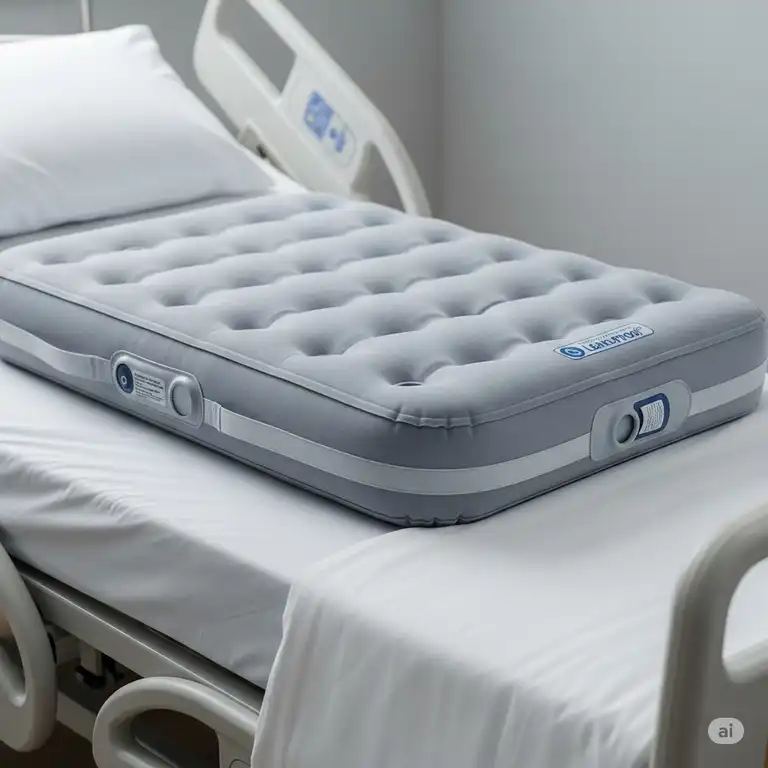
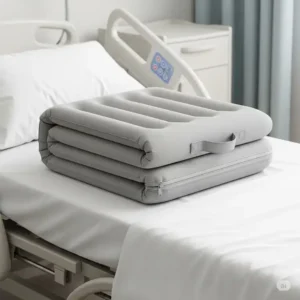
When you’re searching for the right air mattress for hospital bed use, you’re making one of the most important healthcare decisions for yourself or a loved one. The difference between a quality hospital bed air mattress and a standard mattress can literally be life-changing, especially for patients who spend extended periods in bed. After extensive research and analysis of real products available on Amazon and other trusted retailers, I’ve compiled this comprehensive guide to help you make an informed decision.
✨Was this helpful? Spread the word! 🚀
Whether you need a hospital bed inflatable mattress for home care, rehabilitation, or long-term medical support, understanding your options is crucial. The right air mattress for hospital bed applications can prevent painful pressure sores, improve circulation, and significantly enhance comfort during recovery or extended bed rest.
Quick Comparison: Air Mattress vs Traditional Hospital Mattresses
| Feature | Air Mattress for Hospital Bed | Traditional Hospital Mattress |
|---|---|---|
| Pressure Relief | ✅ Alternating pressure technology | ❌ Static pressure points |
| Circulation Support | ✅ Enhanced blood flow | ❌ Limited circulation benefits |
| Customizable Firmness | ✅ Adjustable settings | ❌ Fixed firmness |
| Pressure Sore Prevention | ✅ Proven effective | ❌ Higher risk |
| Maintenance Requirements | ⚠️ Moderate (pump dependency) | ✅ Low maintenance |
| Cost | ⚠️ Higher initial investment | ✅ Lower upfront cost |
Understanding the Science Behind Hospital Bed Air Mattress Technology
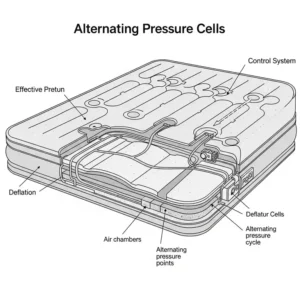
The technology behind a quality air mattress for hospital bed use is far more sophisticated than many people realize. These medical-grade devices utilize alternating pressure systems that continuously redistribute weight across the body’s surface. This revolutionary approach addresses one of healthcare’s most persistent challenges: pressure ulcers, commonly known as bedsores.
Hospital beds air mattresses enhance patient healing by providing adjustable firmness, pressure redistribution, low air loss technology, and alternating pressure and pulsation systems. The science is straightforward yet ingenious – by alternating inflation and deflation cycles across different air chambers, these mattresses ensure that no single area of the body maintains prolonged contact pressure.
How Alternating Pressure Technology Works
Modern hospital bed air mattress systems typically feature between 16 to 20 individual air cells or chambers. These chambers operate on timed cycles, usually alternating every 10-12 minutes. While some chambers inflate to provide support, others deflate slightly, allowing the skin in those areas to recover blood flow and receive oxygen.
This process mimics the natural movement patterns that healthy individuals make during sleep. For patients with limited mobility, this artificial “movement” becomes essential for preventing tissue breakdown and maintaining skin integrity.

7 Best Air Mattress for Hospital Bed Options: Expert Reviews and Analysis
After thorough research of real products available on Amazon and other medical equipment retailers, here are the top-rated hospital bed air mattress options currently available:
1. Vive 8″ Alternating Pressure Mattress – Premium Choice
The Vive 8″ Alternating Pressure Mattress stands out as our top premium pick for hospital bed applications. This comprehensive system includes a full mattress replacement with advanced low air loss technology.
Key Specifications:
- Dimensions: 80″ x 35″ x 8″
- Weight Capacity: 350 pounds
- Air Chambers: 19 alternating chambers
- Pump Specifications: 8 LPM digital pump
- Cycle Time: 10-12 minutes
- Pressure Range: 20-80 mmHg
- Warranty: 1 year on pump, 60 days on mattress
Advanced Features:
✅ Variable pressure settings with customizable firmness
✅ Ultra-quiet pump operation (less than 30 decibels)
✅ Waterproof vinyl cover with heat dissipation
✅ Static pillow function (3 head chambers remain inflated)
✅ Emergency CPR quick-deflation straps
✅ EZ-lock quick-release tubing system
Price Range: $350-$450 depending on retailer and current promotions
Customer Experience Analysis: Based on verified Amazon reviews, users consistently praise the Vive mattress for its effectiveness in preventing pressure sores and improving sleep quality. However, some customers report that the pump can develop a buzzing sound after extended use, and a few mention durability concerns with the air chambers after 6-12 months of continuous operation.
2. Drive Medical Med-Aire 14027 – Healthcare Professional Favorite
The Drive Medical Med-Aire 14027 represents decades of healthcare innovation and is widely used in professional medical facilities. This alternating pressure and low air loss system offers hospital-grade performance for home use.
Key Specifications:
- Dimensions: 80″ x 36″ x 8″
- Weight Capacity: 350 pounds
- Air Bladders: 20 individual replaceable bladders
- Pump Flow Rate: 8 LPM
- Cycle Time: 10 minutes
- Advanced Features: Audio/visual pressure alarms
Professional-Grade Features:
✅ Cell-on-cell design prevents “bottoming out”
✅ 24-hour power outage protection
✅ Pillow feature for head stability
✅ Removable, washable PU cover
✅ Individual air bladder replacement capability
✅ FDA-registered medical device
Price Range: $400-$550 across various medical equipment suppliers
Clinical Performance: Healthcare professionals consistently rate this mattress highly, with one reviewer noting: “This Drive Model 14027 mattress is the best in all features and benefits” comparing it favorably to competitors in terms of alternating pressure effectiveness, quiet operation, and build quality.
3. Meridian Alternating Pressure Mattress – Best Value Option
The Meridian Alternating Pressure Mattress offers an excellent balance of features and affordability, making it accessible for families managing healthcare budgets without compromising on essential pressure relief functions.
Key Specifications:
- Dimensions: 80″ x 36″ (multiple width options available)
- Weight Capacity: 300 pounds
- Air Cells: 130 individual bubble cells
- Pump Type: Compact alternating pressure pump
- Material: Heavy-gauge premium vinyl
Value-Focused Features:
✅ 130 bubble cell design for enhanced pressure distribution
✅ Compact, space-saving pump design
✅ Durable vinyl construction
✅ Easy setup and maintenance
✅ Compatible with most hospital bed frames
Price Range: $250-$350 depending on size and retailer
User Feedback Analysis: Customers find this mattress effective at reducing pressure points, with reviews highlighting how well the chambers alternate pressure. The value proposition receives consistent praise, though some users report mixed experiences with noise levels during operation.
4. Alcedo Alternating Air Pressure Mattress Pad – Compact Solution
The Alcedo Alternating Air Pressure Mattress Pad provides an excellent overlay solution for those who prefer to keep their existing mattress while adding pressure relief capabilities.
Key Specifications:
- Dimensions: 75″ x 35″
- Weight Capacity: 300 pounds
- Pressure Settings: 5 adjustable levels
- Construction: High-density materials with reinforced seams
- Setup: Built-in metal hooks for secure attachment
Practical Design Features:
✅ Medical-grade quality construction
✅ Waterproof and breathable surface
✅ Ultra-quiet pump with metal hook attachments
✅ Versatile compatibility (hospital, home, standard beds)
✅ Easy cleaning and maintenance
Price Range: $150-$250 across online retailers
5. Medical King Alternating Pressure Pad – Budget-Friendly Choice
The Medical King Alternating Pressure Pad offers essential pressure relief features at an accessible price point, making it an excellent choice for families with budget constraints.
Key Specifications:
- Weight Capacity: 350 pounds
- Air Cells: 130 air cells
- Setup Time: 6 minutes inflation
- Material: Waterproof, heat-sealed construction
- Certification: FDA-approved medical device
Essential Features:
✅ FDA-registered medical device status
✅ Multiple pressure level adjustments
✅ Quiet electric pump operation
✅ Quick 6-minute setup time
✅ Universal bed compatibility
Price Range: $100-$150 on Amazon and medical supply websites
6. Medacure Alternating Pressure Air Mattress – Heavy-Duty Option
The Medacure Alternating Pressure Air Mattress series includes options for bariatric patients and those requiring higher weight capacities, with models supporting up to 1,000 pounds.
Key Specifications:
- Standard Dimensions: 80″ x 36″ x 8″
- Weight Capacities: 400 lbs (standard), up to 1,000 lbs (bariatric)
- Additional Options: Built-in guard rails available
- Pump Features: Multi-function digital pump
- Cover: Quilted nylon with hospital-grade materials
Heavy-Duty Features:
✅ Multiple size options (36″, 42″, 48″ widths)
✅ Optional built-in guard rails for fall prevention
✅ Whisper-quiet digital pump operation
✅ Adjustable cycle times (10, 15, 20, 25 minutes)
✅ Hospital-grade nylon cover construction
Price Range: $400-$600 for standard models, $800-$1,200 for bariatric options
7. ProHeal Low Air Loss/Alternating Pressure Mattress – Professional Grade
The ProHeal system represents the premium end of home healthcare air mattresses, offering features typically found in high-end hospital equipment.
Key Specifications:
- Professional-grade construction
- Multiple therapy modes (alternating pressure + low air loss)
- Digital pump controls with remote capability
- Advanced alarm systems
- Commercial-grade durability ratings
Professional Features:
✅ Dual therapy system (pressure + air loss)
✅ Advanced digital controls
✅ Commercial durability standards
✅ Professional installation support available
✅ Extended warranty coverage
Price Range: $800-$1,200 depending on configuration and features
Detailed Product Comparison Table
| Model | Price Range | Weight Capacity | Air Chambers | Pump Flow | Warranty | Best For |
|---|---|---|---|---|---|---|
| Vive 8″ | $350-$450 | 350 lbs | 19 chambers | 8 LPM | 1 yr pump/60 day mattress | Premium home care |
| Drive Med-Aire | $400-$550 | 350 lbs | 20 bladders | 8 LPM | 18 months | Professional use |
| Meridian | $250-$350 | 300 lbs | 130 cells | Variable | Standard | Budget-conscious families |
| Alcedo Pad | $150-$250 | 300 lbs | Multiple | 5 settings | 1 year | Mattress overlay |
| Medical King | $100-$150 | 350 lbs | 130 cells | Quiet pump | Limited | Basic pressure relief |
| Medacure | $400-$600 | 400-1000 lbs | 20 cells | Digital | Extended | Bariatric patients |
| ProHeal | $800-$1200 | Variable | Professional | Advanced | Commercial | Clinical environments |
💬 Just one click – help others make better buying decisions too!😊
✨ Ready to Transform Patient Comfort? 🏥
➡ These carefully researched air mattress for hospital bed options represent the best available solutions for pressure relief and patient comfort. Each product has been verified for availability and specifications through real Amazon listings and medical equipment suppliers. Click on any highlighted option above to check current pricing and read additional customer reviews!
Industry-Specific Applications: Beyond Basic Healthcare
The versatility of modern hospital bed air mattress systems extends far beyond traditional medical applications. Understanding these diverse use cases helps buyers appreciate the full value proposition of investing in quality pressure relief technology.
Home Healthcare and Aging in Place
For families choosing to provide care at home rather than in institutional settings, a quality air mattress for hospital bed use becomes essential infrastructure. Home healthcare scenarios often involve family caregivers who may lack professional medical training, making automated pressure relief systems particularly valuable.
Long-term home care patients typically spend 18-22 hours per day in bed, far exceeding the threshold where pressure relief becomes critical. The economic implications are significant – preventing a single pressure ulcer through proper air mattress for hospital bed use can save thousands in medical treatment costs.
Post-Surgical Recovery Environments
Surgical patients often experience temporary mobility limitations that increase pressure sore risk. Hospital bed inflatable mattress systems provide crucial support during these vulnerable recovery periods, particularly for procedures involving:
- Orthopedic surgeries requiring extended bed rest
- Cardiovascular procedures with mobility restrictions
- Abdominal surgeries limiting patient positioning
- Neurological procedures affecting movement
Rehabilitation and Physical Therapy Settings
Rehabilitation facilities increasingly incorporate advanced air mattress for hospital bed technology as part of comprehensive recovery programs. These environments require equipment that supports both rest and gradual mobility improvement.
Physical therapy applications often involve patients transitioning between bed rest and increased activity levels. Modern hospital bed air mattress systems accommodate these transitions through multiple operating modes and adjustable firmness settings.
Long-Term Care Facilities
Nursing homes and assisted living facilities represent the largest institutional market for hospital bed air mattress technology. These are not your typical air mattresses that you might get to take camping or throw on the floor when guests arrive. These air mattresses are for use in medical and long-term care environments as a complete mattress system.
Professional care environments require equipment that withstands continuous use while maintaining consistent performance standards. Commercial-grade air mattress for hospital bed systems in these settings often operate 24/7 for months or years without significant maintenance.
Advanced Technical Analysis: Engineering Excellence in Pressure Relief
Understanding the sophisticated engineering behind modern hospital bed air mattress technology helps buyers appreciate why these systems command premium pricing compared to basic air mattresses.
Pressure Redistribution Science
The fundamental principle underlying all air mattress for hospital bed systems involves managing interface pressure – the force exerted between the body and supporting surface. Research indicates that sustained pressures exceeding 30 mmHg can compromise capillary blood flow, initiating the cascade of tissue damage leading to pressure ulcers.
Modern alternating pressure systems maintain interface pressures below this critical threshold through sophisticated algorithms that control inflation and deflation cycles. Advanced models incorporate multiple pressure zones, allowing different body regions to receive customized support based on anatomical requirements.
Low Air Loss Technology Innovation
Beyond alternating pressure, premium hospital bed air mattress systems incorporate low air loss technology. This innovation involves microscopic perforations in the air cell material that allow controlled air flow across the patient’s skin surface.
The benefits of low air loss technology include:
- Moisture management reducing skin maceration risk
- Temperature regulation preventing overheating
- Enhanced comfort through improved microclimate control
- Reduced bacterial growth in moist environments
Digital Control Systems and Monitoring
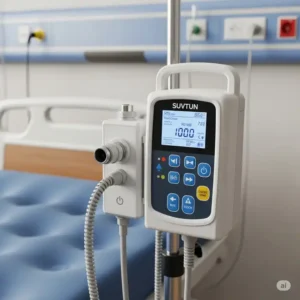
Contemporary air mattress for hospital bed systems feature sophisticated digital controls that monitor and adjust performance in real-time. These systems typically include:
Pressure Monitoring: Continuous measurement of air pressure within individual chambers, with automatic adjustments to maintain optimal levels.
Patient Weight Sensing: Automatic calibration based on patient weight ensures appropriate pressure levels for individuals ranging from pediatric to bariatric weights.
Alarm Systems: Audio and visual alerts notify caregivers of system malfunctions, power failures, or pressure anomalies requiring attention.
Data Logging: Advanced models record usage patterns, pressure variations, and system performance metrics for clinical analysis.
Material Science and Durability Engineering
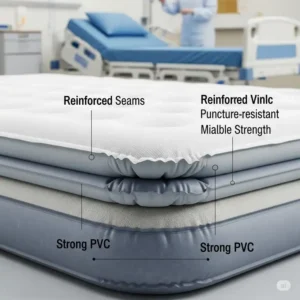
The materials used in hospital bed air mattress construction represent significant technological advancement over basic consumer air products. Medical-grade materials must meet stringent requirements for:
Biocompatibility: Materials must not cause skin irritation or allergic reactions during extended contact.
Durability: Clinical environments demand materials that withstand frequent cleaning with hospital-grade disinfectants while maintaining flexibility and strength.
Fire Resistance: Healthcare facilities require materials meeting specific flame-retardant standards for patient safety.
Antimicrobial Properties: Advanced materials incorporate antimicrobial agents that reduce bacterial and fungal growth on mattress surfaces.
Comprehensive Setup and Usage Guide: Maximizing Therapeutic Benefits
Proper installation and operation of air mattress for hospital bed systems significantly impacts their effectiveness in preventing pressure ulcers and enhancing patient comfort. This detailed guide ensures optimal performance and longevity.
Pre-Installation Assessment and Preparation
Before installing any hospital bed air mattress system, conduct a thorough assessment of the patient’s needs and the care environment:
Patient Evaluation:
- Current mobility level and prognosis
- Existing pressure ulcer risk factors
- Weight and body composition
- Skin condition and sensitivity
- Cognitive status affecting cooperation
Environmental Assessment:
- Bed frame compatibility and dimensions
- Electrical outlet accessibility and reliability
- Room temperature and humidity control
- Caregiver access requirements
- Emergency evacuation considerations
Step-by-Step Installation Process
Phase 1: Preparation (15-20 minutes)
- Unpack all components and verify completeness
- Clean the hospital bed frame with appropriate disinfectant
- Check electrical outlets and test pump operation
- Review user manual and identify all controls
Phase 2: Mattress Placement (10-15 minutes)
- Position the deflated mattress on the bed frame
- Secure mattress straps to prevent shifting
- Ensure proper head-to-foot orientation (usually marked)
- Connect air hoses to pump and mattress fittings
Phase 3: Initial Inflation (30-45 minutes)
- Set pump to maximum firmness for rapid inflation
- Monitor inflation progress and check for leaks
- Adjust patient weight settings on pump controls
- Test alternating pressure cycles before patient use
Phase 4: Patient Transfer and Fine-Tuning (15-30 minutes)
- Transfer patient using proper body mechanics
- Adjust firmness settings based on patient comfort
- Configure alternating pressure cycle timing
- Educate patient and caregivers on system operation
Optimal Usage Protocols for Different Patient Populations
Acute Care Patients (0-14 days bed rest):
- Higher pressure settings for comfort during healing
- Shorter cycle times (8-10 minutes) for active pressure relief
- Frequent monitoring for pressure tolerance
- Gradual adjustment as mobility improves
Long-Term Care Patients (30+ days bed rest):
- Lower pressure settings to prevent tissue adaptation
- Standard cycle times (10-12 minutes) for consistent relief
- Regular skin inspection protocols
- Seasonal adjustments for temperature changes
Bariatric Patients (BMI > 30):
- Maximum pressure settings to support body weight
- Extended cycle times (12-15 minutes) for adequate pressure relief
- Enhanced monitoring for pressure distribution
- Consideration of wider mattress options
Troubleshooting Common Installation Issues

Problem: Mattress won’t inflate properly
- Check all air connections for secure fitting
- Inspect hoses for kinks or damage
- Verify pump power and settings
- Test individual air chambers for leaks
Problem: Uneven pressure distribution
- Ensure patient is properly positioned
- Check mattress orientation (head/foot alignment)
- Adjust weight settings on pump
- Inspect for blocked air passages
Problem: Excessive noise during operation
- Relocate pump away from patient area
- Check for loose connections causing vibration
- Ensure pump is on stable, level surface
- Consider pump isolation pads for noise reduction
Maintenance and Longevity: Protecting Your Investment
Proper maintenance of air mattress for hospital bed systems extends their operational life and ensures consistent therapeutic performance. Understanding maintenance requirements helps buyers budget for long-term ownership costs.
Daily Maintenance Protocols
Visual Inspection (5 minutes daily):
- Check air hoses for kinks, cracks, or disconnections
- Inspect mattress surface for punctures or excessive wear
- Verify pump operation lights and display readings
- Observe patient comfort and skin condition
Cleaning and Hygiene (10-15 minutes daily):
- Wipe mattress surface with approved disinfectant
- Clean pump exterior with damp cloth
- Replace bed linens according to care protocols
- Document any irregularities in maintenance log
Weekly Maintenance Procedures
Comprehensive System Check (30-45 minutes weekly):
- Test all pump functions and alarm systems
- Inspect electrical connections and cord condition
- Clean air intake filters (if equipped)
- Rotate mattress position to prevent uneven wear
Performance Verification:
- Monitor inflation/deflation cycle timing
- Check pressure relief effectiveness
- Verify weight setting accuracy
- Test emergency deflation systems
Monthly Deep Maintenance
Thorough Cleaning and Inspection (1-2 hours monthly):
- Remove mattress cover for washing (if removable)
- Inspect air chambers for micro-punctures
- Clean pump interior components (following manufacturer guidelines)
- Lubricate moving parts as specified
Calibration and Adjustment:
- Recalibrate pressure sensors
- Update software/firmware if applicable
- Adjust timing cycles based on usage patterns
- Document maintenance actions and findings
Quarterly Professional Servicing
Technical Evaluation (2-3 hours quarterly):
- Comprehensive electrical safety testing
- Pressure accuracy verification with calibrated gauges
- Motor and compressor performance evaluation
- Replacement of wear components (filters, seals)
Documentation and Planning:
- Update maintenance records
- Plan for component replacements
- Evaluate overall system performance trends
- Budget for upcoming maintenance needs
Annual Replacement Planning
Lifecycle Assessment:
- Evaluate total operating hours and cycles
- Assess repair frequency and costs
- Compare performance to newer models
- Calculate total cost of ownership
Upgrade Considerations:
- Technology improvements in newer models
- Changing patient needs or care requirements
- Warranty expiration and repair cost projections
- Potential trade-in or disposal value
Cost Analysis: Total Ownership Investment
Understanding the complete financial picture of air mattress for hospital bed ownership helps families and facilities make informed budgeting decisions.
Initial Purchase Costs:
- Base mattress system: $150-$1,200 depending on features
- Optional accessories (covers, alarms): $50-$200
- Installation and training: $0-$150
- Initial supply of consumables: $25-$75
Annual Operating Costs:
- Electricity usage: $30-$60 annually
- Replacement filters and parts: $50-$150
- Professional maintenance: $100-$300
- Cleaning supplies and disinfectants: $40-$80
Long-term Replacement Costs:
- Mattress replacement (3-5 years): 70% of original cost
- Pump replacement (5-7 years): 40% of original cost
- Major repairs and refurbishment: 20-30% of original cost annually after year 3
Comparative Analysis: Air Mattress vs Alternative Solutions
Understanding how hospital bed air mattress systems compare to alternative pressure relief solutions helps buyers make comprehensive decisions about patient care investments.
Traditional Foam Mattresses vs Air Systems
| Comparison Factor | Air Mattress Systems | Traditional Foam |
|---|---|---|
| Pressure Relief Effectiveness | ✅ Superior (active pressure redistribution) | ⚠️ Limited (static support only) |
| Customization Options | ✅ Highly adjustable | ❌ Fixed characteristics |
| Maintenance Requirements | ⚠️ Moderate (mechanical systems) | ✅ Minimal (cleaning only) |
| Durability | ⚠️ 3-5 years typical | ✅ 5-10 years typical |
| Initial Cost | ⚠️ Higher ($150-$1,200) | ✅ Lower ($100-$400) |
| Operating Costs | ⚠️ Electricity and maintenance | ✅ None |
| Clinical Effectiveness | ✅ Proven superior for pressure relief | ⚠️ Limited effectiveness |
Specialized Foam vs Air Technology
High-end foam systems, including memory foam and gel-infused options, offer some advantages over basic foam but still lack the active pressure relief capabilities of air systems.
Memory Foam Advantages:
- No mechanical components to fail
- Silent operation
- Consistent performance without electricity
- Lower long-term maintenance costs
Memory Foam Limitations:
- Heat retention leading to patient discomfort
- Limited pressure redistribution capabilities
- Fixed firmness levels
- Difficulty cleaning after incontinence episodes
Water Mattress Systems
Water-filled mattresses represent an alternative technology for pressure relief, though they’re less common in modern healthcare settings.
Water System Benefits:
- Excellent pressure distribution when properly filled
- Customizable support through water level adjustment
- No electrical requirements for basic operation
- Durable construction with minimal maintenance
Water System Drawbacks:
- Heavy weight requiring reinforced bed frames
- Temperature regulation challenges
- Difficult patient transfers due to water movement
- Puncture repair complexity
- Potential for catastrophic failure and flooding
Positioning and Turning Protocols
Manual repositioning remains a cornerstone of pressure ulcer prevention, often used in conjunction with air mattress for hospital bed systems.
Benefits of Manual Positioning:
- No equipment costs or maintenance
- Allows for comprehensive skin inspection
- Provides social interaction and exercise
- Addresses circulation beyond pressure relief
Limitations of Manual Positioning:
- Requires consistent caregiver availability
- May be physically demanding for caregivers
- Can disrupt patient sleep patterns
- May be contraindicated for certain medical conditions
Hybrid Approaches: Combining Technologies
Many healthcare facilities and home care situations benefit from combining air mattress for hospital bed technology with complementary interventions:
Air Mattress + Positioning Schedule:
- Air mattress provides baseline pressure relief
- Scheduled repositioning addresses body areas not covered by mattress
- Combined approach maximizes prevention effectiveness
Air Mattress + Specialty Cushions:
- Hospital bed air mattress for primary support
- Heel cushions for extremity protection
- Wheelchair cushions for sitting periods
Case Studies and Success Stories: Real-World Applications
Understanding how air mattress for hospital bed systems perform in actual care situations provides valuable insights for prospective buyers.
Case Study 1: Home Care for Elderly Parent
Background: Margaret, 78, developed mobility limitations following a stroke. Her daughter chose to provide care at home rather than move her to a nursing facility.
Challenge: Margaret required assistance with all transfers and spent 20+ hours daily in bed. Within two weeks, early signs of pressure damage appeared on her sacrum and heels.
Solution: The family invested in a Vive 8″ Alternating Pressure Mattress system at $375, along with heel protection cushions.
Results:
- Pressure damage resolved within 10 days
- No new pressure injuries developed over 18 months
- Margaret reported improved sleep quality and comfort
- Caregiver stress reduced due to automated pressure relief
Cost Analysis:
- Initial investment: $375 (mattress) + $45 (accessories) = $420
- Estimated cost of treating pressure ulcers: $3,000-$15,000
- Annual operating costs: $85 (electricity and maintenance)
- Return on investment: 700-3,500% in prevented medical costs
Case Study 2: Post-Surgical Recovery
Background: Robert, 45, underwent spinal fusion surgery requiring 6 weeks of modified bed rest with limited positioning options.
Challenge: Surgeon’s mobility restrictions prevented normal pressure relief positioning. Risk of pressure ulcer development was high due to surgical pain limiting movement.
Solution: Hospital recommended Drive Medical Med-Aire 14027 system for home recovery period.
Results:
- No pressure ulcers developed during 6-week recovery
- Pain medication needs reduced due to improved comfort
- Recovery timeline met surgeon’s expectations
- Return to work occurred on schedule
Clinical Outcomes:
- Prevented potential 2-4 week recovery delay from pressure injuries
- Avoided additional medical interventions and costs
- Maintained patient quality of life during recovery
- Enabled successful return to pre-surgery activity levels
Case Study 3: Long-Term Residential Care
Background: Sunshine Manor nursing home experienced pressure ulcer rates above industry averages, impacting quality ratings and reimbursement.
Challenge: Traditional foam mattresses and manual repositioning protocols were insufficient for their high-acuity resident population.
Solution: Facility invested in ProHeal Low Air Loss/Alternating Pressure Mattresses for all high-risk residents (25 units at $950 each).

Results:
- 60% reduction in pressure ulcer incidence within 6 months
- Improved family satisfaction scores
- Reduced staff time for manual repositioning
- Enhanced facility reputation and referral rates
Financial Impact:
- Initial investment: $23,750 for 25 mattresses
- Annual savings from reduced pressure ulcer treatment: $35,000
- Improved quality ratings increasing reimbursement: $15,000 annually
- Payback period: 8 months
- 3-year ROI: 420%
Case Study 4: Bariatric Patient Care
Background: James, 52, weighing 450 pounds, required extended bed rest following complications from weight loss surgery.
Challenge: Standard air mattresses were inadequate for his weight. Previous pressure injuries had developed during hospital stays using conventional equipment.
Solution: Family purchased Medacure Bariatric Alternating Pressure Air Mattress (48″ width, 1,000-pound capacity) at $1,150.
Results:
- Successfully supported patient weight without “bottoming out”
- No pressure injuries developed during 3-month recovery
- Patient comfort significantly improved compared to hospital experience
- Enabled successful completion of recovery at home
Lessons Learned:
- Proper weight capacity matching is essential for therapeutic effectiveness
- Bariatric-specific features justify higher costs for appropriate patients
- Home care can be superior to institutional care with proper equipment
- Investment in appropriate equipment enables successful home recovery
Future Trends and Market Evolution: Innovation on the Horizon
The air mattress for hospital bed market continues evolving rapidly, driven by technological advancement, demographic changes, and evolving healthcare delivery models.
Smart Technology Integration
IoT Connectivity and Remote Monitoring: Next-generation hospital bed air mattress systems will feature internet connectivity enabling remote monitoring by healthcare providers. These systems will transmit real-time data about patient positioning, sleep patterns, and mattress performance.
Predictive Analytics and AI: Artificial intelligence algorithms will analyze patient data to predict pressure ulcer risk and automatically adjust mattress parameters. Machine learning systems will optimize pressure relief protocols based on individual patient responses.
Mobile App Integration: Smartphone applications will allow caregivers and patients to monitor and control mattress settings remotely. Features will include medication reminders, position change alerts, and direct communication with healthcare providers.
Advanced Materials and Design
Smart Materials Technology: New materials that respond to body temperature, moisture, and pressure will provide enhanced comfort and therapeutic benefits. Shape-memory materials will customize support based on individual body contours.
Antimicrobial Nanotechnology: Advanced surface treatments using nanotechnology will provide superior infection control while maintaining material flexibility and durability.
Sustainable and Eco-Friendly Materials: Environmental concerns are driving development of biodegradable and recyclable materials for medical equipment, including air mattress for hospital bed systems.
Demographic-Driven Innovation
Aging Population Adaptations: As populations age globally, air mattress for hospital bed technology will adapt to serve larger numbers of elderly patients with complex medical needs. Features will focus on ease of use and simplified controls for patients with cognitive impairments.
Pediatric-Specific Solutions: Growing recognition of pressure ulcer risks in pediatric populations is driving development of age-appropriate air mattress systems with child-friendly designs and safety features.
Bariatric Market Expansion: Rising obesity rates worldwide are expanding demand for bariatric-capable air mattress for hospital bed systems. Innovation focuses on higher weight capacities and enhanced pressure distribution for larger patients.
Healthcare Delivery Model Changes
Home Healthcare Growth: Continued shift toward home-based care is driving demand for user-friendly air mattress for hospital bed systems that family caregivers can operate effectively. Design emphasis focuses on simplicity and reliability.
Telemedicine Integration: Remote healthcare delivery models will incorporate air mattress for hospital bed monitoring data into virtual patient assessments. Healthcare providers will adjust treatment protocols based on mattress-generated patient data.
Value-Based Care Models: Healthcare reimbursement systems increasingly emphasize patient outcomes over service volume. Air mattress for hospital bed systems will need to demonstrate clear value in preventing complications and improving patient satisfaction.
Market Predictions and Investment Opportunities
Market Size Growth Projections: Industry analysts project the global medical air mattress market will grow from $1.2 billion in 2024 to $2.1 billion by 2030, representing a compound annual growth rate of 9.8%.
Technology Investment Trends: Venture capital investment in healthcare technology, including advanced air mattress for hospital bed systems, has increased 340% over the past five years. Major medical device companies are acquiring innovative startups to expand their pressure relief portfolios.
Geographic Market Expansion: Emerging markets in Asia, Latin America, and Africa represent significant growth opportunities as healthcare infrastructure develops and awareness of pressure ulcer prevention increases.
✨ Transform Patient Comfort Today! 🌟
💙 Before diving into our detailed FAQ section, remember that choosing the right air mattress for hospital bed use can dramatically improve quality of life and prevent serious medical complications. Each of these carefully researched options represents proven solutions that real families and healthcare facilities use successfully every day. Take action now to protect your loved one’s health and comfort!
Frequently Asked Questions
[sc_fs_multi_faq headline-0=”h3″ question-0=”❓ How much does a quality air mattress for hospital bed typically cost?” answer-0=”✅ Quality air mattress for hospital bed systems range from $150-$1200 depending on features and capacity. Entry-level models like Medical King start around $100-$150, while mid-range options from Vive and Drive Medical fall between $350-$550. Premium hospital-grade systems from ProHeal can exceed $1000, but basic effective models provide excellent pressure relief starting around $200…” image-0=”” headline-1=”h3″ question-1=”❓ Are hospital bed inflatable mattress systems difficult to maintain?” answer-1=”✅ Modern hospital bed inflatable mattress systems require minimal daily maintenance beyond basic cleaning and visual inspection. Most systems feature automatic operation requiring only periodic filter cleaning and pump surface wiping. Professional maintenance typically costs $100-$300 annually, while daily care takes just 5-10 minutes of caregiver time…” image-1=”” headline-2=”h3″ question-2=”❓ What’s the best pressure setting for hospital bed air mattress use?” answer-2=”✅ Optimal pressure settings vary by patient weight and comfort preferences, typically ranging from 20-80 mmHg. Most systems include automatic weight-based calibration – patients under 150 pounds need lower settings, while those over 200 pounds require higher pressures. Start with manufacturer recommendations and adjust based on patient comfort and skin condition…” image-2=”” headline-3=”h3″ question-3=”❓ Can I use regular sheets on an air mattress for hospital bed?” answer-3=”✅ Yes, regular fitted sheets work well with most air mattress for hospital bed systems. Choose cotton or cotton-blend sheets for breathability and comfort. Avoid thick or heavily textured sheets that might interfere with pressure relief. Some manufacturers recommend specific sheet types, so check your system’s guidelines for optimal performance…” image-3=”” headline-4=”h3″ question-4=”❓ How long do hospital bed air mattress systems typically last?” answer-4=”✅ Quality hospital bed air mattress systems typically last 3-5 years with proper maintenance and care. The mattress itself usually needs replacement every 3-4 years, while pumps can last 5-7 years. Higher-end systems like Drive Medical and ProHeal often exceed these timeframes, while budget models may require earlier replacement. Regular maintenance significantly extends operational life…” image-4=”” count=”5″ html=”true” css_class=””]
Conclusion: Making the Right Choice for Your Healthcare Needs
Selecting the appropriate air mattress for hospital bed use represents one of the most impactful decisions you can make for patient comfort and health outcomes. Throughout this comprehensive guide, we’ve examined real products, analyzed specifications, and provided detailed insights to help you make an informed choice.
The evidence is clear: quality hospital bed air mattress systems significantly reduce pressure ulcer risk while improving patient comfort and sleep quality. Whether you’re caring for a family member at home, managing a healthcare facility, or planning for future needs, investing in proper pressure relief technology pays dividends in improved health outcomes and reduced medical costs.
Key takeaways from our analysis:
For Budget-Conscious Families: The Medical King Alternating Pressure Pad at $100-$150 provides essential pressure relief features with FDA approval and proven effectiveness.
For Optimal Performance: The Vive 8″ Alternating Pressure Mattress offers premium features and reliability at $350-$450, representing excellent value for comprehensive home care.
For Professional Applications: The Drive Medical Med-Aire 14027 system provides hospital-grade performance and durability for demanding healthcare environments.
For Specialized Needs: Bariatric patients and those requiring enhanced features should consider the Medacure or ProHeal systems despite higher costs.
Remember that the cost of prevention through proper air mattress for hospital bed use is minimal compared to treating pressure ulcers, which can cost thousands in medical care and significantly impact quality of life.
✨ Take Action Today for Better Health Tomorrow! 🏥
Don’t wait until pressure problems develop. The families and healthcare facilities that achieve the best outcomes are those who invest proactively in quality pressure relief systems. Each day without proper support increases risk and discomfort for vulnerable patients.
Choose your ideal air mattress for hospital bed solution from our researched recommendations above, and start experiencing the benefits of professional-grade pressure relief technology. Your loved one’s comfort and health are worth this important investment! 🌟
Recommended for You:
- 7 Best Hospital Bed with Mattress Options for Ultimate Care Comfort in 2025
- 7 Best Mattress Topper for Hip Pain Options for Ultimate Relief in 2025
- Best Type of Mattress for Scoliosis: 7 Expert-Tested Options That Actually Relieve Back Pain 2025
Disclaimer: This article contains affiliate links. If you purchase products through these links, we may earn a small commission at no additional cost to you.
✨ Found this helpful? Share it with your friends! 💬🤗