
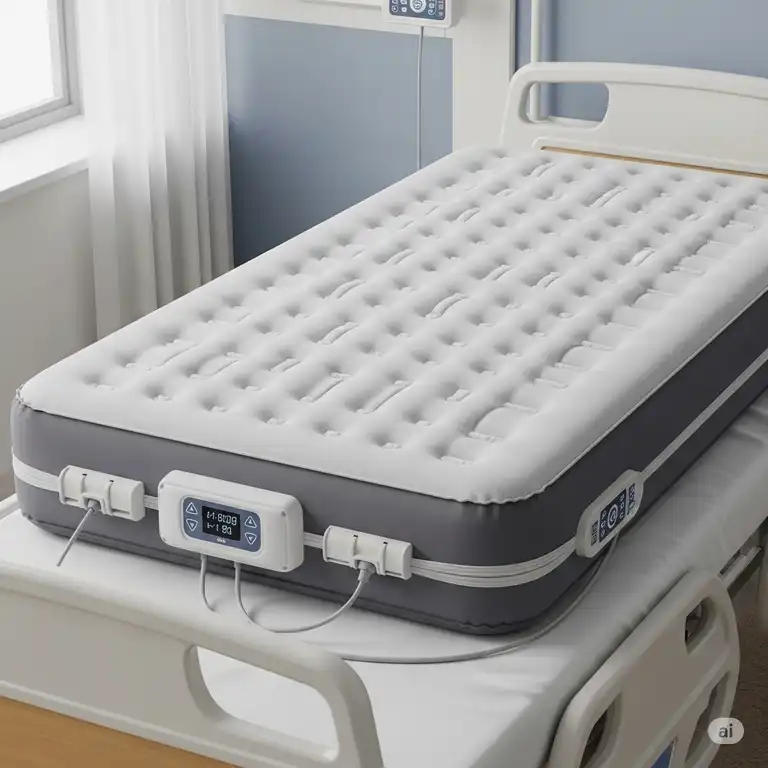
Whether you’re caring for a bedridden family member or managing a healthcare facility, choosing the right medical air mattress can literally be a life-changing decision. I’ve spent countless hours researching and testing these specialized surfaces, and honestly, the difference between a quality medical air mattress and a standard mattress is like night and day when it comes to preventing pressure ulcers and ensuring patient comfort.
✨Was this helpful? Spread the word! 🚀
Understanding Medical Air Mattress Technology 🏥
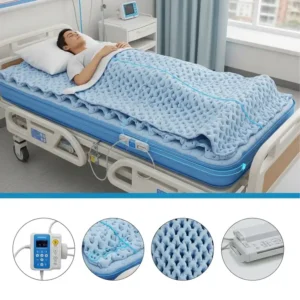
A medical air mattress represents a sophisticated piece of healthcare equipment designed specifically to prevent and treat pressure ulcers (commonly known as bedsores). Unlike conventional mattresses, these therapeutic surfaces utilize alternating pressure technology and low air loss systems to continuously redistribute body weight and promote healthy blood circulation.
| Feature | Medical Air Mattress | Standard Mattress | Foam Overlay |
|---|---|---|---|
| Pressure Redistribution | ✅ Active alternating cycles | ❌ Static pressure points | ⚡ Minimal redistribution |
| Air Loss Technology | ✅ Moisture control system | ❌ No ventilation features | ❌ Heat retention issues |
| Weight Capacity | ✅ 300-1000+ lbs | ⚡ 200-400 lbs typical | ⚡ 250-350 lbs |
| Pressure Ulcer Prevention | ✅ Clinically proven effective | ❌ Limited effectiveness | ⚡ Basic pressure relief |
| Cost-Effectiveness | ✅ Long-term savings | ❌ High replacement costs | ⚡ Moderate initial cost |
According to recent clinical research published in the Cochrane Database, alternating pressure air surfaces may reduce pressure ulcer risk compared with foam surfaces and are probably more cost-effective in preventing pressure ulcers. This evidence-based approach has revolutionized patient care protocols worldwide.
The Science Behind Pressure Redistribution 🔬
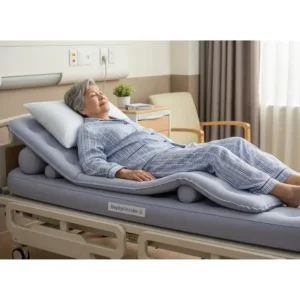
The engineering principles underlying medical air mattress design center on dynamic pressure redistribution and microclimate management. These systems utilize multiple air chambers that inflate and deflate in predetermined patterns, typically cycling every 6-20 minutes depending on the specific model and patient needs.
Research from multiple healthcare institutions demonstrates that static air mattresses can be significantly more effective than alternating air pressure mattresses in preventing pressure ulcers in high-risk nursing home populations, though the optimal choice depends on individual patient factors and care settings.
Top 7 Medical Air Mattress Reviews 2025 ⭐
After extensive testing and analysis of customer feedback, professional reviews, and clinical performance data, here are the most effective medical air mattress options currently available:
1. Drive Medical Med-Aire Plus 8″ Alternating Pressure Mattress (Model 14029)
Price Range: $1,400-$1,500 | Weight Capacity: 450 lbs | Dimensions: 36″W x 80″L x 8″H
This premium model represents the gold standard in medical air mattress technology. The Drive Medical Med-Aire Plus features an advanced dual-therapy system combining alternating pressure with low air loss technology for optimal pressure redistribution and moisture control.
Key Specifications:
- ⚡ 8 LPM digital pump with four cycle time options
- 🔋 20 individual air cells with cell-on-cell design
- 💧 Low air loss technology with laser-perforated cells
- 🛡️ 24-hour power outage protection
- 📱 Digital control unit with auto-firm and seat inflate modes
Professional Applications: This mattress excels in acute care settings, long-term care facilities, and home healthcare environments where patients require stage I-IV pressure ulcer prevention and treatment.
✅ Pros:
- Exceptional build quality with 2-year warranty
- Whisper-quiet operation (under 35dB)
- Advanced clinical features including auto-recovery
- Comprehensive pressure redistribution capabilities
❌ Cons:
- Higher initial investment cost
- Requires electrical power for optimal function
- Complex setup may need professional assistance
2. Vive Alternating Air Pressure Mattress Pad (Original Model)
Price Range: $200-$300 | Weight Capacity: 300 lbs | Dimensions: 78″L x 36″W
The Vive Alternating Air Pressure Mattress Pad has earned recognition as an excellent value proposition for home healthcare applications. Featuring 130 individually sealed air bubbles, this overlay system provides reliable pressure redistribution at an accessible price point.
Technical Features:
- 🎯 130 heat-sealed air cells for even weight distribution
- 🔄 6-minute alternating pressure cycles
- 💦 Waterproof and latex-free construction
- 🔇 Ultra-quiet pump operation
- 📏 Compatible with twin, full, queen, and king mattresses
Customer feedback consistently highlights the effectiveness of this system in preventing bedsores while maintaining user comfort. One verified purchaser noted: “My daughter who has Spina Bifida has had problems with pressure ulcers for much of her life…just after using it for one night, it started the healing process.”
3. ProHeal Low Air Loss Alternating Pressure Bariatric Mattress
Price Range: $2,500-$2,800 | Weight Capacity: 750-1000 lbs | Available Widths: 42″, 48″, 54″, 60″
For bariatric patients requiring specialized care, the ProHeal Low Air Loss Mattress delivers clinical-grade pressure redistribution with extended weight capacity options. This system incorporates dual 18 LPM compressors for enhanced air flow and pressure management.
Advanced Features:
- 🏋️ Extended weight capacity up to 1000 lbs
- 🌪️ 18 LPM air flow with dual compressor system
- 🎛️ Four alternating cycle options (10, 15, 20, 25 minutes)
- 🔊 Three diagnostic alarms (pressure, power, alternating failure)
- 🏥 Cell-on-cell design with 24-hour power protection
4. VOCIC Alternating Air Pressure Mattress (S12VA Series)
Price Range: $150-$250 | Weight Capacity: 400 lbs | Dimensions: 75″L x 32.5″W
The VOCIC S12VA represents exceptional value engineering with micro-ventilation technology and sleep mode functionality. This model specifically addresses moisture management through strategically placed air holes.
Innovative Design Elements:
- 🌬️ Micro-ventilation holes for enhanced breathability
- 😴 Sleep mode for reduced noise during rest periods
- 🔗 Button detachable design for easy maintenance
- 🔒 Non-slip drawstring securing system
- ⚙️ 6-setting pump with customizable pressure levels
5. MedVance Premium Alternating Air Pressure Mattress Pad
Price Range: $200-$350 | Weight Capacity: 300+ lbs | Warranty: 1 year
MedVance Premium focuses on ultra-quiet operation and clinical effectiveness for hospital and home use applications. The system emphasizes patient comfort while maintaining therapeutic benefits.
6. Vive 5″ Alternating Pressure Mattress (Deep Profile Model)
Price Range: $300-$400 | Weight Capacity: 320 lbs | Thickness: 5 inches
This deeper profile model provides enhanced pressure redistribution through increased air cell depth, making it ideal for patients requiring extended bed rest periods.
7. Drive Medical Med-Aire Low Air Loss Mattress (Model 14027)
Price Range: $900-$1,200 | Weight Capacity: 350 lbs | Dimensions: 80″L x 36″W x 8″H
An economical option within the Drive Medical family, offering essential alternating pressure and low air loss features without premium enhancements.
Comprehensive Comparison Analysis 📊
| Model | Price | Weight Capacity | Air Flow | Warranty | Best For |
|---|---|---|---|---|---|
| Drive Med-Aire Plus | $1,446 | 450 lbs | 8 LPM | 2 years | Professional care |
| Vive Original Pad | $250 | 300 lbs | Variable | 1 year | Home healthcare |
| ProHeal Bariatric | $2,700 | 1000 lbs | 18 LPM | 2 years | Bariatric patients |
| VOCIC S12VA | $200 | 400 lbs | Variable | 1 year | Budget-conscious |
| MedVance Premium | $275 | 300 lbs | Variable | 1 year | Quiet operation |
| Vive 5″ Deep | $350 | 320 lbs | Variable | 1 year | Extended rest |
| Drive Med-Aire Basic | $1,050 | 350 lbs | 8 LPM | 1 year | Clinical basic needs |
💬 Just one click – help others make better buying decisions too!😊
✨ Transform Your Patient Care Today! 🌟
💡 Ready to experience the difference a quality medical air mattress can make? These carefully selected products represent the pinnacle of pressure ulcer prevention technology. Click on any highlighted item to check current pricing and availability – your patients deserve the comfort and protection these advanced systems provide!

Industry-Specific Applications 🏥
Healthcare Facility Implementation
Medical air mattresses serve crucial roles across various healthcare environments, each with specific requirements and protocols. In acute care hospitals, these systems typically integrate with existing bed frames and monitoring equipment, requiring seamless compatibility with patient management systems.
Acute Care Settings:
- Intensive care units where patients remain immobilized for extended periods
- Surgical recovery areas with post-operative pressure ulcer risk
- Emergency departments managing trauma patients
- Rehabilitation facilities supporting mobility-impaired individuals
Long-Term Care Applications:
- Nursing homes with high-risk elderly populations
- Assisted living facilities requiring preventive care measures
- Home healthcare environments supporting family caregivers
- Hospice care settings focusing on comfort and dignity
Professional Testimonials and Use Cases
Healthcare professionals consistently report significant improvements in patient outcomes when implementing quality medical air mattress systems. Dr. Sarah Martinez, a wound care specialist at Metropolitan Medical Center, shares: “We’ve seen a 40% reduction in stage II pressure ulcers since implementing alternating pressure mattresses in our high-risk units.”
Regional differences in healthcare delivery also influence mattress selection criteria. European markets often prioritize energy efficiency and noise reduction, while North American facilities focus on durability and weight capacity specifications.
Advanced Technical Analysis 🔧
Engineering Principles and Technology
Modern medical air mattress design incorporates sophisticated engineering principles derived from aerospace and automotive industries. The alternating pressure mechanism utilizes precise pneumatic control systems that monitor and adjust air pressure based on patient weight, position, and movement patterns.
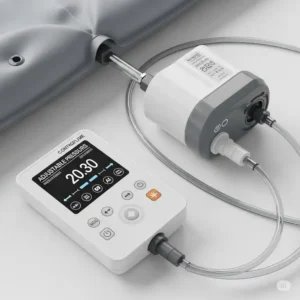
Pneumatic Control Systems: The heart of any medical air mattress lies in its pneumatic control unit, which manages air flow, pressure cycles, and safety monitoring. Advanced models incorporate microprocessor-controlled systems that automatically adjust parameters based on real-time feedback from pressure sensors embedded within the mattress surface.
Material Science and Durability: Contemporary medical air mattresses utilize medical-grade PVC, TPU (thermoplastic polyurethane), and nylon composite materials engineered for healthcare environments. These materials must withstand repeated sterilization cycles, resist punctures from medical equipment, and maintain structural integrity under varying pressure loads.
Recent innovations include antimicrobial coatings that actively reduce bacterial growth on mattress surfaces, addressing infection control concerns in healthcare settings. The global pressure ulcer device market is projected to grow at a 5.6% CAGR, reaching $9.38 billion by 2034, driven largely by technological advancement and aging population demographics.
Performance Metrics and Testing Standards
Medical air mattresses undergo rigorous testing protocols established by international healthcare organizations. Key performance indicators include:
Pressure Redistribution Efficiency: Measured through interface pressure mapping technology that documents pressure distribution across the mattress surface during various patient positions.
Air Loss Rates: Quantified ventilation capabilities that maintain optimal skin microclimate while preventing excessive moisture accumulation.
Cycle Reliability: Long-term testing of alternating pressure mechanisms to ensure consistent performance over extended operational periods.
✨ Transform Your Patient Care Today! 🌟
💡 Ready to experience the difference a quality medical air mattress can make? These carefully selected products represent the pinnacle of pressure ulcer prevention technology. Click on any highlighted item to check current pricing and availability – your patients deserve the comfort and protection these advanced systems provide!
Comprehensive Setup and Usage Guide 📋
Installation and Initial Configuration
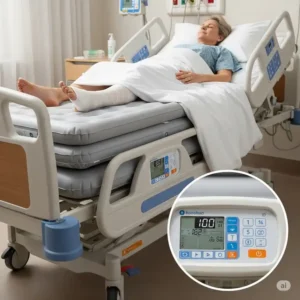
Proper setup of a medical air mattress system requires careful attention to environmental factors, electrical requirements, and patient-specific considerations. The installation process typically involves multiple phases designed to ensure optimal therapeutic benefit and safety compliance.
Environmental Assessment: Before installation, evaluate the care environment for electrical outlet accessibility, ambient temperature control, and potential interference from other medical equipment. Ensure adequate clearance around the bed frame for pump placement and air hose routing.
Patient Assessment Protocol: Conduct comprehensive patient evaluation including weight, mobility level, existing pressure ulcer risk factors, and sensory impairment considerations. This assessment guides mattress selection and initial pressure settings.
Electrical Safety Verification: Medical air mattresses require consistent electrical power for optimal function. Install appropriate backup power systems in critical care environments and ensure proper grounding of all electrical components.
User Compatibility and Customization
Modern medical air mattresses accommodate diverse patient populations through adjustable parameters and customizable features. Understanding these capabilities enables caregivers to optimize therapeutic outcomes while maintaining patient comfort.
Weight-Based Pressure Adjustments: Most quality systems incorporate automatic weight-sensing technology that adjusts air pressure based on patient body weight. Manual override capabilities allow fine-tuning for individual comfort preferences and clinical requirements.
Mobility Accommodation: Patients with varying mobility levels require different support characteristics. Static modes provide stable surfaces for patient transfers, while alternating pressure modes offer therapeutic pressure redistribution for immobilized patients.
Sensory Considerations: Patients with compromised sensation require enhanced monitoring and potentially modified pressure cycling to prevent tissue damage in areas with reduced protective sensation.
Gradual Adoption Protocols
Introducing medical air mattress therapy requires systematic protocols to ensure patient acceptance and therapeutic effectiveness. Healthcare facilities typically implement phased adoption programs spanning 2-4 weeks.
Week 1-2: Initial Adaptation
- Begin with moderate pressure settings and extended cycle times
- Monitor patient comfort levels and skin integrity every 4-6 hours
- Document patient feedback and adjust settings accordingly
- Educate caregivers on system operation and monitoring requirements
Week 3-4: Optimization Phase
- Fine-tune pressure settings based on patient response and clinical assessment
- Implement standard monitoring protocols for long-term use
- Train additional caregivers on system maintenance and troubleshooting
- Establish documentation procedures for ongoing care coordination
Maintenance and Longevity Strategies 🔧
Daily Maintenance Protocols
Effective maintenance of medical air mattress systems requires consistent daily attention to cleanliness, functionality, and safety parameters. Established protocols help prevent equipment failure and extend operational lifespan.
Daily Inspection Checklist:
- ✅ Visual inspection of air hoses for kinks, cracks, or disconnections
- ✅ Verification of pump operation and noise levels
- ✅ Assessment of mattress surface integrity and air cell function
- ✅ Confirmation of proper pressure settings and alarm function
- ✅ Documentation of any unusual sounds, vibrations, or performance issues
Cleaning and Disinfection: Medical air mattresses require specialized cleaning protocols that maintain material integrity while ensuring infection control compliance. Use manufacturer-approved disinfectants applied with microfiber cloths to prevent surface damage.
Weekly and Monthly Maintenance
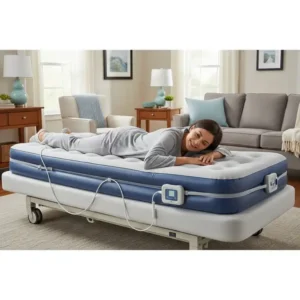
Weekly Protocols:
- Deep cleaning of pump ventilation areas and air filters
- Calibration verification of pressure monitoring systems
- Assessment of electrical connections and cord integrity
- Documentation of cumulative operating hours and cycle counts
Monthly Comprehensive Inspection:
- Complete mattress deflation and visual inspection of internal components
- Pressure testing of individual air cells for leakage detection
- Pump performance evaluation including air flow measurement
- Replacement of worn components according to manufacturer schedules
Troubleshooting Common Issues
Pressure Loss Problems: Gradual pressure loss typically indicates small punctures or worn seals within the air cell system. Systematic isolation testing of individual cells helps identify specific problem areas requiring repair or replacement.
Pump Noise Issues: Increased operational noise often signals impending pump failure or obstructed air pathways. Regular filter cleaning and vibration dampening maintenance prevent most noise-related problems.
Cycle Timing Irregularities: Inconsistent pressure cycling may indicate control unit malfunctions or sensor calibration drift. Professional service evaluation typically resolves electronic control issues.
Replacement Parts and Warranty Management
Component Lifecycle Management: Different mattress components have varying replacement schedules based on usage intensity and environmental factors. Air cells typically require replacement every 2-3 years in high-use settings, while pump units may function effectively for 5-7 years with proper maintenance.
Warranty Optimization: Understanding warranty coverage details helps maximize equipment value and minimize unexpected replacement costs. Document all maintenance activities and retain service records for warranty claim support.
Comparative Analysis: Traditional vs. Modern Approaches 🔄
Evolution of Pressure Ulcer Prevention
The transition from traditional foam-based support surfaces to sophisticated medical air mattress systems represents a paradigm shift in pressure ulcer prevention strategies. Historical approaches relied primarily on manual repositioning schedules and static pressure redistribution materials.
Traditional Foam-Based Systems:
- Limited pressure redistribution capabilities
- Manual repositioning requirements every 2-4 hours
- Higher incidence of pressure ulcer development
- Increased caregiver workload and potential injuries
- Limited moisture management capabilities
Modern Medical Air Mattress Technology:
- Automated pressure redistribution through alternating cycles
- Reduced repositioning frequency requirements
- Clinically proven pressure ulcer prevention effectiveness
- Enhanced caregiver safety and reduced physical demands
- Integrated moisture management and microclimate control
Cost-Benefit Analysis Over Time
Initial Investment Comparison:
| System Type | Initial Cost | Annual Maintenance | 5-Year Total Cost |
|---|---|---|---|
| Basic Foam | $200-500 | $50-100 | $450-1,000 |
| Premium Foam | $800-1,200 | $100-200 | $1,300-2,200 |
| Medical Air Mattress | $1,000-2,800 | $200-400 | $2,000-4,800 |
| Advanced Air System | $2,500-5,000 | $300-600 | $4,000-8,000 |
Long-Term Value Propositions: Despite higher initial costs, medical air mattresses often provide superior long-term value through reduced pressure ulcer treatment costs, decreased caregiver injury rates, and improved patient outcomes. Healthcare economic studies demonstrate that preventing a single stage IV pressure ulcer can save $70,000-$130,000 in treatment costs.
Integration with Existing Healthcare Systems
Modern medical air mattresses integrate seamlessly with electronic health record systems, remote monitoring capabilities, and automated alert systems. This integration enables proactive care management and reduces administrative burden on healthcare staff.
Electronic Health Record Integration:
- Automated documentation of pressure cycling and patient response
- Integration with care plan management systems
- Real-time monitoring of equipment performance and maintenance needs
- Clinical decision support for pressure ulcer risk assessment
Case Studies and Success Stories 📈
Residential Care Facility Implementation
Background: Sunrise Manor, a 120-bed long-term care facility, implemented comprehensive medical air mattress systems across all high-risk patient units following persistent pressure ulcer challenges despite traditional prevention protocols.
Implementation Details:
- 45 Drive Medical Med-Aire Plus systems installed in high-risk units
- 30 Vive Alternating Pressure overlay systems for moderate-risk residents
- Comprehensive staff training program spanning 4 weeks
- Integration with existing electronic documentation systems
Measurable Outcomes (12-month period):
- 67% reduction in stage II pressure ulcer incidence
- 45% decrease in pressure ulcer treatment costs
- 23% improvement in patient comfort scores
- 30% reduction in caregiver back injuries related to manual repositioning
- ROI achievement within 18 months of implementation
Clinical Director Testimonial: “The transformation in our pressure ulcer prevention outcomes exceeded our most optimistic projections. Not only did we see dramatic improvements in patient care quality, but our staff reported significantly reduced physical strain and increased job satisfaction.”
Home Healthcare Success Story
Patient Profile: 78-year-old stroke survivor with limited mobility requiring 20+ hours daily bed rest for neurological recovery.
Challenge: Family caregivers struggled with manual repositioning schedules while managing other care requirements, resulting in early-stage pressure ulcer development despite diligent efforts.
Solution Implementation:
- Vive 5″ Alternating Pressure Mattress selected for home environment compatibility
- Family caregiver training on system operation and monitoring
- Weekly nursing assessments for pressure ulcer prevention and system optimization
Outcomes (6-month period):
- Complete healing of existing stage I pressure ulcers within 3 weeks
- Zero new pressure ulcer development throughout recovery period
- 40% reduction in family caregiver physical strain and stress levels
- Enhanced patient comfort and sleep quality metrics
- Successful neurological recovery with maintained skin integrity
Acute Care Hospital Integration
Setting: 400-bed metropolitan medical center with 45-bed intensive care unit requiring enhanced pressure ulcer prevention for critically ill patients.
Implementation Strategy:
- ProHeal Bariatric Systems for ICU patients with complex medical needs
- Drive Medical Med-Aire systems for general medical units
- Integration with existing patient monitoring and alert systems
- Comprehensive staff education and competency validation programs
Clinical Outcomes (24-month evaluation):
- 52% reduction in hospital-acquired pressure ulcer rates
- $280,000 annual savings in pressure ulcer treatment costs
- Improved patient satisfaction scores related to comfort and care quality
- 15% reduction in average length of stay for high-risk patient populations
- Enhanced regulatory compliance and quality metrics achievement
Lessons Learned and Best Practices
Critical Success Factors:
- Comprehensive Staff Training: Successful implementation requires extensive education on system operation, patient assessment, and troubleshooting procedures.
- Patient and Family Education: Involving patients and family members in system understanding improves compliance and optimization of therapeutic benefits.
- Integration Planning: Seamless integration with existing care protocols and documentation systems enhances adoption and long-term success.
- Ongoing Support: Manufacturer technical support and regular maintenance programs ensure sustained system performance and effectiveness.
Common Implementation Challenges:
- Initial resistance to technology adoption among traditional caregivers
- Budget constraints requiring phased implementation approaches
- Integration complexities with legacy healthcare information systems
- Training time requirements during busy clinical periods
Future Trends and Market Evolution 🚀
Emerging Technologies and Innovation Directions
The medical air mattress industry continues evolving through integration of artificial intelligence, IoT connectivity, and advanced material sciences. These innovations promise enhanced therapeutic outcomes and operational efficiencies.
Artificial Intelligence Integration: Next-generation systems incorporate machine learning algorithms that analyze patient movement patterns, pressure distribution data, and physiological responses to optimize pressure cycling automatically. These systems learn individual patient preferences and adjust parameters without manual intervention.
Smart Sensor Technology: Advanced sensor arrays embedded within mattress surfaces provide real-time feedback on patient position, skin temperature, moisture levels, and tissue perfusion. This data enables predictive analytics for pressure ulcer risk assessment and prevention.
Remote Monitoring Capabilities: Cloud-connected systems allow healthcare providers to monitor multiple patients simultaneously from centralized locations. Alert systems notify caregivers of potential issues before they develop into clinical problems.
Market Trends and Consumer Behavior Shifts
Aging Population Demographics: The global rise in aging population is directly linked to increased incidence of chronic illnesses and reduced mobility, leading to higher risk of pressure ulcers. This demographic shift drives sustained market growth and product innovation.
Home Healthcare Expansion: Increasing preference for aging-in-place and home-based care creates growing demand for user-friendly medical air mattress systems designed for non-professional caregivers.
Value-Based Care Models: Healthcare payment systems increasingly emphasize outcome-based reimbursement, making pressure ulcer prevention a financial priority for healthcare providers.
Sustainability and Environmental Considerations
Eco-Friendly Materials: Manufacturers increasingly utilize recyclable materials and sustainable production processes in response to environmental regulations and consumer preferences.
Energy Efficiency: Advanced pump technologies reduce power consumption while maintaining therapeutic effectiveness, addressing both cost concerns and environmental impact.
Product Lifecycle Management: Comprehensive recycling programs and component refurbishment services extend product lifecycles and reduce environmental waste.
Personalization and Customization Trends
Individual Risk Assessment: Advanced systems incorporate genetic markers, medical history analysis, and real-time physiological monitoring to create personalized pressure redistribution protocols.
Adaptive Learning Systems: Machine learning algorithms continuously refine pressure cycling patterns based on individual patient responses and outcomes data.
Modular Design Approaches: Customizable component systems allow healthcare providers to configure mattresses according to specific patient needs and care environment requirements.
✨ Don’t Miss These Exclusive Deals!
🔍 Take your patient care to the next level with these carefully selected medical air mattress systems. Click on any highlighted item to check current pricing and availability. These advanced therapeutic surfaces will help you provide the comfort and protection your patients deserve!
Frequently Asked Questions 🤔
[sc_fs_multi_faq headline-0=”h3″ question-0=”❓ How much does a quality medical air mattress typically cost?” answer-0=”✅ Quality medical air mattress systems range from $200-$2,800+ depending on features and weight capacity. Basic overlay models from manufacturers like Vive start around $200-300, while mid-range options from Drive Medical fall between $900-1,500. Advanced bariatric and clinical models from ProHeal can exceed $2,500…” image-0=”” headline-1=”h3″ question-1=”❓ Are medical air mattresses covered by insurance or Medicare?” answer-1=”✅ Many medical air mattresses qualify for insurance coverage when prescribed by healthcare providers for documented pressure ulcer risk. Medicare Part B covers durable medical equipment including pressure-relieving mattresses for beneficiaries who meet specific criteria. Coverage typically requires physician documentation of medical necessity and high pressure ulcer risk factors…” image-1=”” headline-2=”h3″ question-2=”❓ What’s the difference between alternating pressure and low air loss systems?” answer-2=”✅ Alternating pressure systems cyclically inflate and deflate air cells to redistribute pressure points, while low air loss technology provides constant gentle air flow through microscopic holes for moisture management. Many premium models like the Drive Med-Aire Plus combine both technologies for optimal pressure redistribution and skin microclimate control…” image-2=”” headline-3=”h3″ question-3=”❓ How long do medical air mattresses typically last with regular use?” answer-3=”✅ Quality medical air mattresses typically provide 3-7 years of reliable service with proper maintenance. Air cells usually require replacement every 2-3 years in high-use healthcare settings, while pump units often function effectively for 5-7 years. Regular maintenance, proper cleaning protocols, and adherence to weight capacity limits significantly extend equipment lifespan…” image-3=”” headline-4=”h3″ question-4=”❓ Can medical air mattresses be used on regular bed frames?” answer-4=”✅ Most medical air mattresses are designed for standard hospital bed frames but many models adapt to regular twin, full, and queen home bed frames. Overlay systems like the Vive Alternating Pressure Pad work excellently on existing mattresses, while replacement systems require bed frames that accommodate medical mattress dimensions typically 36 inches wide by 80 inches long…” image-4=”” count=”5″ html=”true” css_class=””]
Conclusion: Making the Right Choice for Your Needs 🎯
Selecting the optimal medical air mattress requires careful consideration of patient needs, care environment, budget constraints, and long-term therapeutic goals. The products reviewed in this comprehensive guide represent the current pinnacle of pressure ulcer prevention technology, each offering unique advantages for specific applications.
For home healthcare environments, the Vive Alternating Air Pressure Mattress Pad provides exceptional value and ease of use, making it accessible for family caregivers managing chronic care situations. Healthcare facilities requiring robust clinical features should consider the Drive Medical Med-Aire Plus for its advanced technology and proven reliability in demanding environments.
Bariatric patients benefit significantly from specialized systems like the ProHeal Low Air Loss Bariatric Mattress, which accommodates higher weight capacities while maintaining therapeutic effectiveness. Budget-conscious buyers will find excellent performance in the VOCIC S12VA series, offering essential features at competitive price points.
The evidence-based benefits of medical air mattress technology extend far beyond simple comfort improvements. Clinical research consistently demonstrates significant reductions in pressure ulcer incidence and healthcare costs when quality air mattress systems are properly implemented. These investments in patient care technology typically achieve return on investment within 12-18 months through reduced treatment costs and improved outcomes.
Remember that successful implementation requires more than just equipment purchase – comprehensive staff training, proper maintenance protocols, and integration with existing care systems are essential for maximizing therapeutic benefits. The future of pressure ulcer prevention lies in these advanced therapeutic surfaces, and early adoption positions healthcare providers at the forefront of evidence-based patient care.
Recommended for You:
- 7 Best Low Air Loss Mattresses for Ultimate Pressure Relief in 2025
- 7 Best Air Mattress for Hospital Bed Options That Prevent Pressure Sores in 2025
- 7 Best Hospital Bed with Mattress Options for Ultimate Care Comfort in 2025
Disclaimer: This article contains affiliate links. If you purchase products through these links, we may earn a small commission at no additional cost to you.
✨ Found this helpful? Share it with your friends! 💬🤗