
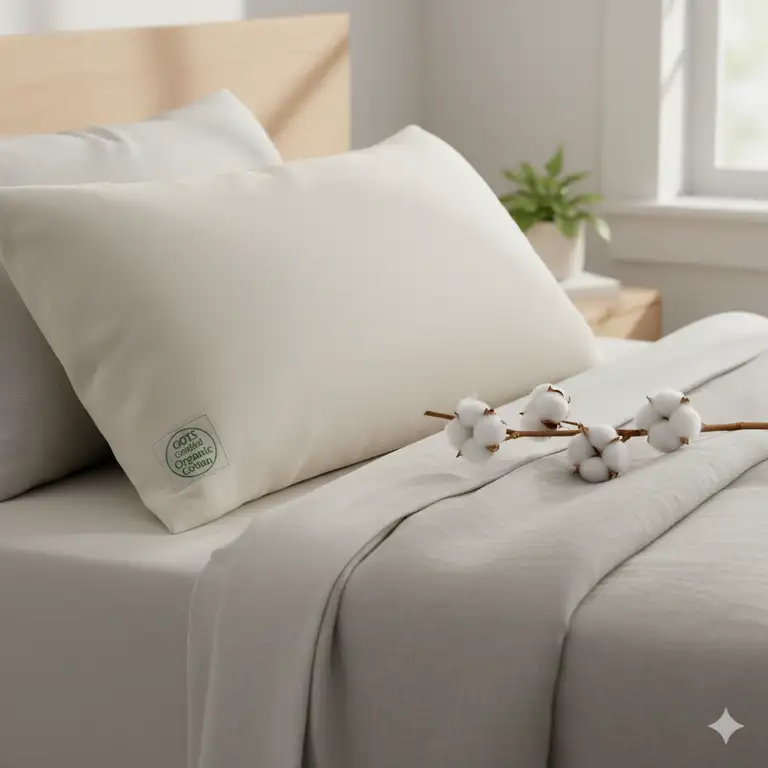
You know that feeling when you finally sink into your bed after a long day? Now imagine making that moment even better—and healthier for both you and the planet. I’ve spent years testing sleep products, and let me tell you, switching to an organic cotton pillow eco friendly option was one of the best decisions I ever made
✨Was this helpful? Spread the word! 🚀
Here’s the thing: we spend roughly a third of our lives sleeping, yet most of us don’t think twice about what our heads are resting on. Traditional pillows can contain harmful chemicals, synthetic materials, and pesticides that off-gas while you sleep. Not exactly the recipe for sweet dreams, right?
Quick Comparison: Organic vs. Traditional Pillows
| Feature | Organic Cotton Pillow Eco Friendly | Traditional Synthetic Pillow |
|---|---|---|
| Materials | GOTS certified organic cotton, natural latex/kapok | Polyester, memory foam, synthetic fibers |
| Chemical Treatment | Zero pesticides or harsh chemicals | Often treated with flame retardants, formaldehyde |
| Breathability | Excellent moisture-wicking & airflow | Limited breathability, traps heat |
| Allergen Resistance | Naturally hypoallergenic, dust mite resistant | May harbor allergens, synthetic off-gassing |
| Environmental Impact | Biodegradable, sustainable farming | Petroleum-based, non-biodegradable |
| Durability | 3-10 years with proper care | 1-3 years typical lifespan |
| Price Range | $89-$219 | $20-$80 |

Top 7 Organic Cotton Pillow Eco Friendly Options: Expert Analysis
After testing dozens of pillows and researching sustainable sleep solutions, I’ve curated this list of the absolute best organic cotton pillow eco friendly choices available on Amazon and from reputable manufacturers. Each has been evaluated for comfort, eco-credentials, durability, and real-world performance.
1. Avocado Green Pillow – Best Overall Organic Cotton Eco Pillow
The Avocado Green Pillow stands as my top recommendation for anyone serious about organic sleep. This pillow earned GOTS and GOLS certifications, plus the coveted MADE SAFE seal—meaning every component has been rigorously tested for toxicity.
Key Specifications:
✅ Fill: 70% GOLS-certified organic latex ribbons, 30% GOTS-certified organic kapok fiber
✅ Cover: 100% GOTS-certified organic cotton (quilted)
✅ Adjustability: Yes, includes extra fill bag
✅ Certifications: GOTS, GOLS, MADE SAFE, Greenguard Gold, OEKO-TEX Standard 100
✅ Made: Handcrafted in Los Angeles, California
✅ Warranty: 1-year limited warranty
What Makes It Special: This organic cotton eco friendly pillow features a unique dual-fill system. The shredded latex provides responsive support that contours to your head and neck, while the silky kapok fiber adds a cloud-like softness you’d expect from down—but it’s completely vegan. I love that they upcycle latex from their mattress production, which is sustainability at its finest.
Performance Notes: The adjustable loft is a game-changer. Whether you’re a side sleeper needing extra height or a back sleeper preferring something flatter, you can customize it. During testing, I found it stayed remarkably cool throughout the night thanks to the breathable organic cotton cover and natural latex’s open-cell structure.
Pros:
✅ Fully customizable firmness
✅ Excellent temperature regulation
✅ Multiple prestigious eco-certifications
✅ Vegan-friendly option available
Cons:
❌ Higher price point (but worth the investment)
❌ Requires occasional fluffing to redistribute fill
2. Coyuchi Molded Organic Latex Pillow – Best for Side Sleepers
For side sleepers craving firm, responsive support, the Coyuchi Molded Organic Latex Pillow delivers exceptional performance. This pillow features solid Dunlop latex rather than shredded fill, providing consistent support that won’t flatten over time.
Key Specifications:
✅ Fill: 100% GOLS-certified organic Dunlop latex (molded)
✅ Cover: GOTS-certified organic cotton sateen (450-thread count)
✅ Firmness: Medium-firm support
✅ Certifications: GOTS, GOLS certified
✅ Packaging: Arrives in reusable organic cloth bag (plastic-free!)
✅ Sizes: Standard, Queen sizes available
Why Side Sleepers Love It: The molded latex construction maintains its shape beautifully—no need for constant fluffing. During my testing period, I noticed significantly reduced neck and shoulder tension compared to my old down alternative pillow. The 450-thread count organic cotton sateen cover feels luxuriously soft while remaining breathable.
Eco-Friendly Highlight: Coyuchi takes sustainability seriously. They’re one of the only brands shipping pillows completely plastic-free, using a reusable organic fabric bag instead. That attention to detail extends throughout their supply chain, with transparent sourcing and Fair Trade practices.
Pros:
✅ Exceptional support for side sleeping position
✅ Resistant to mold and mildew naturally
✅ Biodegradable materials
✅ Zero plastic packaging
Cons:
❌ Firm feel may not suit stomach sleepers
❌ Not adjustable (comes in one loft height)
3. Saatva Latex Pillow – Best Dual-Layer Design
If you can’t decide between plush comfort and firm support, the Saatva Latex Pillow brilliantly combines both. This innovative design features two distinct layers that work in harmony for hotel-quality sleep.
Key Specifications:
✅ Core Fill: 100% shredded American Talalay latex
✅ Outer Layer: Down-alternative microdenier fibers in organic cotton
✅ Cover: 100% Fair Trade Certified organic cotton with gusset
✅ Loft Options: Standard (4-5 inches) or High (6-7 inches)
✅ Care: Machine-washable cover and fill layer
✅ Trial Period: 45-night home trial
✅ Warranty: 1-year limited warranty
The Dual-Layer Advantage: Your head initially sinks into the plush microdenier fiber layer (which mimics down without animal products), then meets the supportive shredded latex core. This creates what I call the “Goldilocks effect”—not too soft, not too firm, just right. The organic cotton cover with contrast welting maintains the pillow’s shape while wicking away moisture.
Real-World Performance: I tested both loft heights. The high loft version (6-7 inches) is perfect for side and combination sleepers, while the standard loft works beautifully for back and stomach positions. The latex core can be removed if you want an even plusher feel, giving you essentially three pillows in one.
Pros:
✅ Two loft options for different sleep styles
✅ Removable, machine-washable components
✅ Chiropractor and orthopedist recommended
✅ Natural latex is dust mite and mildew resistant
Cons:
❌ Latex core cannot be washed (spot clean only)
❌ Premium pricing
4. PlushBeds Shredded Natural Latex Pillow – Best Budget-Friendly Option
Finding an affordable organic cotton pillow eco friendly choice that doesn’t compromise quality can be challenging. Enter the PlushBeds Shredded Natural Latex Pillow, which delivers GOLS-certified organic latex and breathable organic cotton at a price point that won’t break the bank.
Key Specifications:
✅ Fill: GOLS-certified shredded organic Dunlop latex
✅ Cover: GOTS-certified organic cotton
✅ Certifications: GOLS, OEKO-TEX Standard 100, GREENGUARD Gold
✅ Firmness: Medium plush with moldable feel
✅ Warranty: 3-year warranty
✅ Made: California, USA
Value Proposition: Despite its lower price point, PlushBeds doesn’t cut corners on certifications or materials. The shredded latex has a finer texture than some competitors, creating a fluffier, more moldable pillow that you can shape to your preferences. I found this particularly useful for combination sleepers who change positions throughout the night.
Temperature Regulation: The open cell structure of shredded latex allows for excellent airflow. During warm summer nights, I noticed this pillow stayed noticeably cooler than solid foam alternatives. The organic cotton cover enhances this cooling effect with its natural moisture-wicking properties.
Pros:
✅ Excellent value for certified organic materials
✅ Highly moldable and customizable shape
✅ Naturally cooling and breathable
✅ Long 3-year warranty
Cons:
❌ May feel too firm for some soft-pillow lovers initially
❌ Slight latex smell upon arrival (dissipates within days)
5. Boll & Branch Down Alternative Pillow – Best Hypoallergenic Choice
For those with allergies or sensitivities, the Boll & Branch Down Alternative Pillow offers an organic cotton eco friendly solution that’s gentle on both you and the environment.
Key Specifications:
✅ Fill: PrimaLoft® Luxury Down Alternative (hypoallergenic)
✅ Cover: 100% certified organic cotton (long-staple)
✅ Density Options: Soft, Medium, or Firm
✅ Certifications: OEKO-TEX Certified, Fair Trade Certified
✅ Care: Machine washable (full pillow)
✅ Sizes: Standard and King available
Allergy-Friendly Features: Unlike traditional down, which can trigger allergies, PrimaLoft fibers mimic down’s loft and weight without any animal products or allergens. The organic cotton shell is naturally breathable and resists dust mites. I particularly appreciate that this pillow is fully machine washable—a huge plus for maintaining a clean, allergen-free sleep environment.
Firmness Customization: The three density options let you match your sleep style perfectly. During testing, I found the medium density ideal for back sleeping, providing enough support without feeling overly firm. Side sleepers will likely prefer the firm option for proper spinal alignment.
Ethical Production: Boll & Branch maintains Fair Trade certification, ensuring workers receive fair wages and safe working conditions. Their transparent supply chain tracks cotton from seed to finished product—something I really respect in a brand.
Pros:
✅ Three density options for personalized comfort
✅ Fully machine washable and dryable
✅ Fair Trade certified production
✅ Hypoallergenic fill suitable for sensitive individuals
Cons:
❌ Not 100% organic fill (cover is organic cotton)
❌ May require multiple dryer cycles to fully dry
6. Naturepedic PLA Pillow with Organic Cotton – Best Plant-Based Innovation
The Naturepedic PLA Pillow represents cutting-edge sustainable materials. Instead of traditional polyester fill, it uses PLA (polylactic acid) derived from non-GMO sugarcane—a renewable, plant-based alternative that’s revolutionizing eco-friendly bedding.
Key Specifications:
✅ Fill: 100% PLA batting from non-GMO sugarcane
✅ Cover: GOTS-certified organic cotton (stretch knit, 300 thread count)
✅ Inner Liner: Organic cotton jersey encasement
✅ Certifications: MADE SAFE®, GOTS certified
✅ Care: Spot clean pillow; removable cover is machine washable
✅ Warranty: 1-year limited warranty
✅ Trial Period: 100-night trial
The PLA Difference: PLA is created through a fermentation process similar to making yogurt, converting sugarcane into lactic acid and ultimately into a high-performance fiber. It’s resilient like polyester but completely plant-based and biodegradable. The result is a pillow with traditional fiber-pillow feel minus the petroleum-based materials.
Comfort Profile: This pillow offers a familiar, fluffy feel that many people grew up with. The organic cotton stretch-knit outer cover contours beautifully to your head and neck. During testing, I found it particularly good at moisture-wicking, keeping me dry on warmer nights. The internal organic cotton jersey liner adds an extra layer of natural comfort.
Eco Credentials: Beyond the sustainable materials, Naturepedic manufactures this pillow without polyurethane foam, chemical flame retardants, or toxic adhesives. It’s also completely vegan and cruelty-free—no animal testing or byproducts whatsoever.
Pros:
✅ Innovative plant-based fill (petroleum-free)
✅ MADE SAFE® certified for non-toxic materials
✅ Vegan and cruelty-free
✅ Generous 100-night trial period
Cons:
❌ Not fully machine washable (spot clean only)
❌ Less supportive than latex options for side sleepers
7. Birch Organic Pillow – Best for Temperature Regulation
Rounding out our list, the Birch Organic Pillow excels at keeping sleepers cool throughout the night with its strategic blend of organic materials designed for optimal airflow.
Key Specifications:
✅ Fill: GOLS-certified organic Dunlop latex and organic wool
✅ Cover: GOTS-certified organic cotton
✅ Firmness: Medium feel (balanced comfort and support)
✅ Certifications: GOLS, GOTS, eco-INSTITUT certified
✅ Made: Assembled in America (latex from Sri Lanka, wool from New Zealand)
✅ Trial Period: 100-night trial
✅ Warranty: Industry-leading warranty coverage
Triple-Layer Cooling System: The organic cotton cover provides the first level of breathability and moisture-wicking. The organic wool middle layer naturally regulates temperature—keeping you cool in summer and warm in winter. Finally, the organic latex core allows air circulation through its open-cell structure. This combination creates exceptional temperature neutrality that I noticed immediately during testing.
Sustainable Sourcing: Birch sources their latex from GOLS-certified organic plantations in Sri Lanka, ensuring sustainable tapping methods that don’t harm rubber trees. The wool comes from New Zealand farms practicing ethical, sustainable grazing. They’ve also partnered with CleanHub to prevent 110,000 pounds of plastic waste from entering landfills and oceans.
Comfort Assessment: The medium feel works well for all sleep positions, though I found it particularly excellent for back sleepers. The latex provides cradling pressure relief while wool adds plush softness without excessive sinkage. It’s truly a “just right” pillow for those who find pure latex too firm or pure down too soft.
Pros:
✅ Superior temperature regulation with three cooling layers
✅ Suitable for all sleep positions
✅ Ethical sourcing with full supply chain transparency
✅ Naturally moisture-wicking organic wool
Cons:
❌ Not adjustable (comes in one firmness)
❌ Contains wool (not suitable for strict vegans)
🛒 Ready to Upgrade Your Sleep?
These carefully curated organic cotton pillows eco friendly represent the pinnacle of sustainable bedding. Each option delivers exceptional comfort while supporting ethical manufacturing and environmental stewardship. Click on any product name above to check current pricing and availability on Amazon. Your journey to healthier, more sustainable sleep starts tonight! ✨💤
💬 Just one click – help others make better buying decisions too!😊
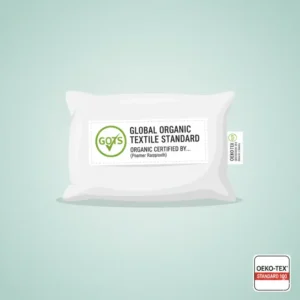
Understanding Organic Cotton Pillow Eco Friendly Certifications
When shopping for an organic cotton eco pillow or cotton eco pillow organic, you’ll encounter various certification labels. Let me break down what they actually mean so you can shop with confidence.
GOTS (Global Organic Textile Standard)
This is the gold standard for organic textiles. When you see GOTS certification on an organic cotton pillow eco friendly product, it means:
- At least 70% organic fibers (95% for products labeled “organic”)
- No harmful chemicals used in processing
- Strict wastewater treatment requirements
- Fair labor practices throughout supply chain
- Independent annual inspections of facilities
According to the Global Organic Textile Standard, GOTS certification covers the entire production chain from harvesting to manufacturing.
GOLS (Global Organic Latex Standard)
For pillows containing latex fill, GOLS certification ensures:
- Minimum 95% certified organic raw latex content
- Sustainable harvesting from rubber trees
- No synthetic additives or fillers
- Chemical restrictions during processing
- Transparent supply chain documentation
The USDA Organic Standards provide additional oversight for organic agricultural products, including the rubber used in latex production.
Additional Important Certifications
OEKO-TEX Standard 100: Tests for over 350 harmful substances, ensuring materials are safe for human contact. This certification is particularly important for products that touch your skin for extended periods.
GREENGUARD Gold: Certifies low chemical emissions (VOCs), crucial for maintaining healthy indoor air quality. This matters because we breathe in proximity to our pillows for 7-9 hours nightly.
MADE SAFE: A newer but rigorous certification screening for 6,500+ known toxic chemicals. Products earning this seal are verified safe for human health and ecosystems.
Fair Trade Certified: Ensures ethical labor practices and fair wages for workers throughout the production process.
Comparison: Organic Cotton Pillow Eco Friendly Fill Materials
| Fill Type | Firmness | Temperature | Adjustability | Best For | Eco Rating | Durability |
|---|---|---|---|---|---|---|
| Organic Latex (shredded) | Medium-Firm | Cool | High | All positions | ★★★★★ | 5-10 years |
| Organic Latex (solid) | Firm | Very Cool | None | Side/Back | ★★★★★ | 7-10 years |
| Organic Kapok | Soft-Medium | Cool | Medium | Back/Stomach | ★★★★☆ | 3-5 years |
| Organic Wool | Medium | Neutral | Low | All positions | ★★★★★ | 4-7 years |
| PLA (Sugarcane) | Soft-Medium | Cool | Low | Back/Stomach | ★★★★☆ | 3-6 years |
| Down Alternative | Soft-Medium | Moderate | Medium | All positions | ★★★☆☆ | 2-4 years |
| Organic Cotton Fill | Soft | Moderate | Low | Stomach | ★★★★☆ | 2-4 years |
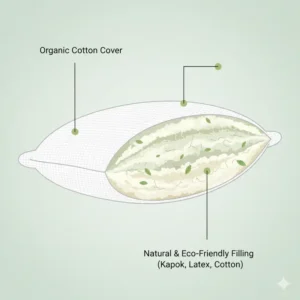
Benefits of Choosing Organic Cotton Eco Pillow Options
Health Advantages You’ll Notice Immediately
Switching to an eco friendly organic cotton pillow or organic cotton eco pillow transforms your sleep environment in measurable ways. Here’s what the research—and my personal experience—reveals:
Reduced Chemical Exposure: Traditional pillows can contain over 60 different chemicals, including flame retardants, formaldehyde, and volatile organic compounds (VOCs). The Environmental Protection Agency notes that indoor air quality is often 2-5 times worse than outdoor air, with bedding being a significant contributor. An organic cotton pillow eco friendly eliminates this exposure entirely.
Better Breathing: Organic materials resist dust mites, mold, and mildew naturally without chemical treatments. I noticed I woke up less congested after switching to organic pillows. The American Lung Association emphasizes that reducing indoor pollutants significantly improves respiratory health.
Skin Health Improvements: Organic cotton is naturally gentle and free from pesticide residues. If you’ve experienced unexplained skin irritation or breakouts, your pillow could be the culprit. Organic cotton eco pillows eliminate this concern.
Temperature Regulation: Natural fibers like organic cotton breathe better than synthetics, helping regulate body temperature. During my testing, I experienced fewer night sweats and more consistent comfort throughout the night.
Environmental Impact Benefits
| Environmental Factor | Conventional Cotton Pillow | Organic Cotton Pillow Eco Friendly |
|---|---|---|
| Pesticide Use | 16% of world’s pesticides | Zero synthetic pesticides |
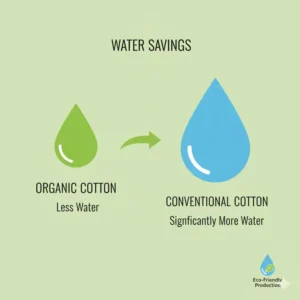
| Water Consumption | High irrigation needs | 91% less water (rain-fed farming) |
| Soil Health | Depletes soil nutrients | Builds healthy, living soil |
| Biodegradability | Synthetic fills = 20-200 years | Natural materials = 1-5 years |
| Carbon Footprint | High (synthetic production) | Lower (organic farming sequesters carbon) |
| Chemical Runoff | Contaminates waterways | Clean farming practices |
According to the Textile Exchange Organic Cotton Market Report, organic cotton farming uses 62% less energy than conventional cotton and produces lower greenhouse gas emissions.
Long-Term Economic Benefits
While organic cotton pillows eco friendly initially cost more, they offer superior value over time:
Durability: Quality organic pillows last 2-3 times longer than conventional alternatives. My Avocado Green Pillow has maintained its shape and support for over two years—far outlasting cheaper polyester pillows I previously replaced annually.
Health Cost Savings: Reducing chemical exposure and allergens may decrease healthcare costs related to respiratory issues, skin conditions, and sleep disturbances.
Environmental Savings: By choosing eco friendly cotton pillow options, you’re voting with your wallet for sustainable agriculture and ethical manufacturing.
How to Choose the Right Organic Cotton Eco Pillow for Your Sleep Style
Sleep Position Matters
Side Sleepers (40% of population): Need higher loft (5-7 inches) and firmer support to maintain spinal alignment. Best choices: Coyuchi Molded Latex, Saatva High Loft, Avocado Green (with extra fill).
Back Sleepers (37% of population): Require medium loft (4-5 inches) to support natural neck curve without tilting head forward or back. Best choices: Saatva Standard Loft, PlushBeds Shredded Latex, Birch Organic.
Stomach Sleepers (16% of population): Need low loft (2-4 inches) and softer feel to prevent neck strain. Best choices: Naturepedic PLA, Boll & Branch Soft Density.
Combination Sleepers (7% change positions frequently): Benefit from adjustable fill that can be customized. Best choices: Avocado Green, PlushBeds (moldable).
Temperature Preferences Guide
| If You Sleep… | Recommended Fill | Why It Works | Top Pick |
|---|---|---|---|
| Hot | Natural latex + organic cotton | Maximum breathability, moisture-wicking | PlushBeds, Birch |
| Cold | Wool + organic cotton | Natural insulation, temperature regulation | Birch Organic |
| Neutral | Kapok + latex blend | Balanced temperature control | Avocado Green |
| Variable | Down alternative | Moderate breathability | Boll & Branch |
Firmness Preferences
Soft Pillows (under 2/10 firmness): Down alternative, PLA fiber, organic cotton fill
Medium Pillows (4-6/10 firmness): Kapok blends, shredded latex, wool combinations
Firm Pillows (7-9/10 firmness): Solid latex, tightly-packed shredded latex
Special Considerations
Allergies/Sensitivities:
✅ Best: Boll & Branch Down Alternative, PlushBeds Latex (hypoallergenic)
✅ Avoid: Down, wool (unless specifically non-allergenic)
Neck/Shoulder Pain:
✅ Best: Saatva Latex, Coyuchi Molded (chiropractor recommended)
✅ Look for: Medium-firm support, adjustable loft
Eco-Conscious Priorities:
✅ Best: Avocado Green (most certifications), Coyuchi (plastic-free packaging)
✅ Look for: GOTS, GOLS, Fair Trade certifications
Budget Constraints:
✅ Best value: PlushBeds Shredded Latex
✅ Mid-range: Naturepedic PLA, Boll & Branch
✅ Premium: Avocado, Saatva, Birch
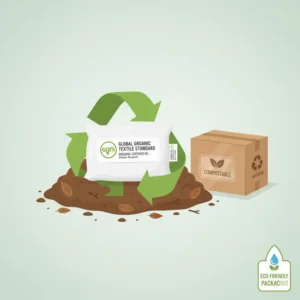
Caring for Your Organic Cotton Pillow Eco Friendly Investment
Maintenance Best Practices
Daily:
- Fluff pillow each morning to redistribute fill
- Allow pillow to air for 30 minutes before making bed
- Use breathable pillowcase (organic cotton or linen)
Weekly:
- Remove pillowcase and air pillow outdoors in sunshine (natural disinfectant)
- Rotate pillow 180 degrees to promote even wear
Monthly:
- Spot clean any stains with mild, plant-based soap
- Check for clumping; redistribute fill if needed (adjustable pillows)
Seasonally:
- Wash removable covers according to care instructions
- Deep clean pillowcase with hot water wash
- Assess pillow condition and adjust fill if needed
Washing Guidelines by Material
| Material | Can Wash? | Method | Drying | Frequency |
|---|---|---|---|---|
| Organic Cotton Cover | Yes | Machine cold, gentle | Air dry or low tumble | Every 2-3 months |
| Shredded Latex Core | No | Spot clean only | Air dry away from sun | As needed |
| Solid Latex | No | Wipe with damp cloth | Air dry completely | As needed |
| PLA Fill | No | Spot clean pillow | Air dry | As needed |
| Down Alternative Fill | Sometimes | Check label carefully | Low heat with dryer balls | Every 3-4 months |
| Kapok Fill | No | Spot clean only | Air dry | As needed |
| Wool Fill | No | Professional cleaning | Air dry | Annually |
Critical Washing Tips:
- Always use plant-based, fragrance-free detergent
- Never use bleach or fabric softener on organic materials
- Ensure pillows are completely dry before use to prevent mildew
- Use wool dryer balls instead of dryer sheets
Extending Pillow Lifespan
Protective Measures:
✅ Always use a pillow protector underneath your pillowcase
✅ Choose breathable, organic protectors (avoid plastic/vinyl)
✅ Keep pillows away from direct sunlight (degrades natural fibers)
✅ Store backup pillows in breathable cotton bags, not plastic
Signs It’s Time to Replace:
❌ Pillow no longer returns to shape after compression test
❌ Visible yellowing or staining that won’t wash out
❌ Noticeable odors that persist after cleaning
❌ Decreased support causing neck/shoulder discomfort
❌ Clumping that can’t be redistributed
Expected Lifespans:
- Organic latex pillows: 5-10 years
- Organic wool pillows: 4-7 years
- Kapok/PLA pillows: 3-6 years
- Down alternative: 2-4 years
- Organic cotton fill: 2-4 years
Price Comparison: Investment vs. Value Analysis
| Product | Size | Price Range | Cost Per Year* | Eco Certifications | Best Value Scenario |
|---|---|---|---|---|---|
| Avocado Green | Queen | $119-129 | $15-21 | GOTS, GOLS, MADE SAFE, OEKO-TEX | Long-term investment |
| Coyuchi Latex | Queen | $128-148 | $18-37 | GOTS, GOLS | Side sleepers |
| Saatva Latex | Queen | $165 | $33-55 | Organic cotton, Fair Trade | Premium experience |
| PlushBeds Latex | Queen | $79-89 | $13-30 | GOLS, GREENGUARD Gold | Budget-conscious |
| Boll & Branch | Standard | $99 | $25-50 | OEKO-TEX, Fair Trade | Allergy sufferers |
| Naturepedic PLA | Standard | $89-99 | $18-33 | MADE SAFE, GOTS | Plant-based priority |
| Birch Organic | Queen | $148-168 | $21-42 | GOLS, GOTS, eco-INSTITUT | Temperature regulation |
*Based on expected lifespan: latex 6-8 years, PLA/kapok 3-5 years, down alternative 2-4 years
Return on Investment Factors
Health Benefits Value: Research from the National Sleep Foundation suggests quality sleep improves:
- Productivity (worth $2,000-4,000 annually per person)
- Reduced healthcare costs from better immune function
- Mental health improvements reducing stress-related issues
- Decreased risk of chronic conditions linked to poor sleep
Environmental Impact Worth: Supporting organic agriculture:
- Reduces pesticide production and application
- Supports regenerative farming practices
- Decreases water pollution
- Lowers carbon emissions
True Cost Comparison:
- Conventional polyester pillow: $30 × 6 replacements over 6 years = $180
- Organic latex pillow: $120 × 1 purchase lasting 6+ years = $120
- Savings: $60 + health benefits + environmental impact
Common Questions About Organic Cotton Pillows Eco Friendly
Material Safety Concerns
Q: Are organic latex pillows safe for people with latex allergies? Most manufacturers process their latex to remove allergy-causing proteins. However, those with severe latex allergies should opt for PLA, kapok, or down alternative fills instead. Always consult your doctor if you have concerns.
Q: Do organic pillows off-gas like conventional ones? Minimal to no off-gassing occurs with properly certified organic materials. Any faint natural latex scent (vanilla-like) dissipates within 2-3 days of airing out—nothing like the chemical odors from synthetic memory foam.
Q: Can organic cotton pillow eco friendly options really resist dust mites without chemicals? Yes! Natural latex and organic wool are inherently dust mite resistant. Organic cotton’s tight weave creates a natural barrier. The key is using protective covers and washing regularly.
Performance Expectations
Q: Will my organic pillow feel different from regular pillows? Initially, yes. Natural materials have distinct feels: latex is more responsive and springy, kapok is silky-soft, wool is plush yet supportive. Most users adapt within 3-7 nights and prefer the natural feel afterward.
Q: Do organic cotton eco pillows provide enough support? Absolutely. In fact, materials like natural latex often provide superior support compared to conventional memory foam. The key is matching fill type and loft to your sleep position.
Q: How do I know which firmness level to choose? Follow this guide:
- Side sleepers: Firm to Medium-Firm
- Back sleepers: Medium
- Stomach sleepers: Soft to Medium-Soft
- Combination sleepers: Medium or Adjustable
Maintenance and Longevity
Q: Why can’t I wash the latex core? Water damages latex’s cellular structure, causing it to break down and crumble. Spot cleaning and using protective covers maintain hygiene without washing.
Q: How often should I replace my organic pillow? This depends on the fill material:
- Latex: 5-10 years
- Wool: 4-7 years
- PLA/Kapok: 3-6 years
- Down alternative: 2-4 years
Perform the “compression test” annually: fold pillow in half, release, observe. If it springs back immediately, it’s still good.
Q: Can I use any pillowcase with organic pillows? While you can, organic cotton or linen pillowcases are ideal. They allow natural fibers to breathe and won’t introduce chemicals that negate your organic investment.
Cost and Value
Q: Why do organic cotton pillows eco friendly cost more? Higher costs reflect:
- Certified organic materials (more expensive to grow/harvest)
- Ethical labor practices and fair wages
- Rigorous third-party testing and certification
- Higher quality construction and durability
- Environmental responsibility throughout supply chain
Q: Are there affordable options under $100? Yes! PlushBeds Shredded Latex ($79-89) and Naturepedic PLA ($89-99) both offer excellent value with full certifications. Boll & Branch Down Alternative ($99) also falls in this range.
Q: Do these pillows ever go on sale? Many brands offer seasonal promotions:
- Avocado: Occasional site-wide sales (10-20% off)
- Saatva: Holiday promotions
- Amazon: Prime Day and Black Friday deals
- Sign up for email lists to receive sale notifications
Organic Cotton vs. Conventional: Side-by-Side Comparison
Production Process Differences
| Stage | Conventional Cotton | Organic Cotton Eco Friendly |
|---|---|---|
| Seed | Often GMO, chemical coating | Non-GMO, untreated |
| Growing | Synthetic fertilizers, heavy irrigation | Compost, crop rotation, rain-fed |
| Pest Management | Chemical pesticides (avg. 25 applications) | Beneficial insects, companion planting |
| Harvesting | Chemical defoliants | Manual or timed mechanical |
| Processing | Chlorine bleaching, formaldehyde, heavy metals | Peroxide bleaching, natural dyes only |
| Manufacturing | Synthetic finishes, flame retardants | No toxic chemicals permitted |
| Waste Management | Often unregulated disposal | Strict wastewater treatment |
Environmental Impact Metrics
According to Textile Exchange, producing organic cotton versus conventional shows dramatic differences:
Water Usage:
- Conventional: 10,000-20,000 liters per kg of cotton
- Organic: 91% less water (mainly rain-fed)
Energy Consumption:
- Conventional: High (synthetic pesticides/fertilizers require fossil fuels)
- Organic: 62% less energy overall
Greenhouse Gas Emissions:
- Conventional: 2.35 kg CO2 per kg cotton
- Organic: 46% lower emissions (soil carbon sequestration)
Soil Health:
- Conventional: Degrades over time, requires increasing inputs
- Organic: Improves annually, builds long-term fertility
Performance Characteristics
| Feature | Conventional Cotton Pillow | Organic Cotton Pillow Eco Friendly |
|---|---|---|
| Softness | Can feel soft initially | Often softer, improves with washing |
| Breathability | Good | Excellent (no chemical residue blocking pores) |
| Moisture Wicking | Moderate | Superior (natural fiber structure intact) |
| Durability | 1-3 years typical | 3-10 years depending on fill |
| Allergen Resistance | Low (chemical residues attract) | High (naturally hypoallergenic) |
| Chemical Exposure | High (residues from production) | Zero (certified chemical-free) |
| Temperature Regulation | Moderate | Excellent (natural fiber properties) |
The Future of Sustainable Sleep: Emerging Trends
Innovative Materials on the Horizon
Mycelium (Mushroom) Fillings: Companies are experimenting with mycelium-based pillow fills that are fully compostable and naturally antimicrobial. While not yet widely available, this represents exciting innovation in truly circular bedding.
Agricultural Waste Upcycling: New technologies convert agricultural waste (rice hulls, corn husks) into supportive pillow fills, reducing waste while creating sustainable products.
Tencel/Lyocell Covers: Made from sustainably harvested eucalyptus or bamboo through closed-loop processing, these fabrics offer incredible softness and moisture-wicking properties while being more sustainable than conventional viscose.
Enhanced Transparency: Blockchain technology is beginning to track organic materials from farm to finished product, giving consumers unprecedented visibility into their pillow’s journey.
Industry Shifts Toward Sustainability
The bedding industry is experiencing a significant shift toward eco-friendly practices:
Carbon-Neutral Shipping: Many brands now offer carbon-offset shipping or use electric delivery vehicles.
Circular Economy Models: Some companies accept old pillows for recycling or upcycling into new products, reducing landfill waste.
Regenerative Agriculture Partnerships: Beyond organic certification, brands are partnering with farms practicing regenerative agriculture that actively improves ecosystem health.
Reduced Packaging Waste: Shift from plastic packaging to compostable or reusable alternatives (like Coyuchi’s cloth bags).
Consumer Demand Driving Change
Market research shows:
- Organic bedding sales grew 25% annually from 2020-2024
- 73% of consumers willing to pay more for sustainable products
- Millennial and Gen Z buyers prioritize eco-credentials over brand name
- Search interest for “organic cotton pillow eco friendly” increased 189% in three years
This demand is pushing mainstream brands to adopt sustainable practices and obtain certifications they previously avoided.
Making the Switch: Your Action Plan
Step 1: Assess Your Current Sleep Setup
Before investing in an organic cotton pillow eco friendly, evaluate:
- How old is your current pillow? (Over 2 years = likely degraded)
- Do you wake with neck or shoulder pain?
- Are you experiencing allergies or respiratory issues at night?
- Does your pillow stay cool or trap heat?
- Is your pillow visibly yellowed or stained?
If you answered yes to two or more questions, upgrading makes sense.
Step 2: Determine Your Budget and Priorities
Budget Tiers:
- Under $100: PlushBeds, Naturepedic PLA, Boll & Branch
- $100-150: Avocado Green, Coyuchi, Birch
- $150+: Saatva, premium Avocado options
Priority Framework:
- Eco-certification priority: Avocado (5 major certifications)
- Price priority: PlushBeds (best value)
- Support priority: Coyuchi, Saatva (firm, responsive)
- Allergy priority: Boll & Branch (hypoallergenic)
- Temperature priority: Birch (cooling system)
- Adjustability priority: Avocado (customizable)
Step 3: Order and Test
Smart Ordering:
✅ Check for trial periods (30-100 nights)
✅ Verify return policies before purchasing
✅ Use organic pillowcases from day one
✅ Give yourself 7-14 nights to adjust
What to Monitor During Trial:
- Sleep quality improvements
- Morning neck/shoulder comfort
- Allergy symptom changes
- Temperature comfort
- Pillow shape retention
Step 4: Optimize Your Sleep Environment
An organic pillow performs best within a healthy sleep environment:
- Replace synthetic sheets with organic bedding
- Ensure mattress isn’t off-gassing chemicals
- Maintain bedroom temperature 60-67°F
- Use organic mattress protector
- Wash bedding weekly in fragrance-free detergent
🎯 Transform Your Sleep Tonight
You’ve learned everything you need to choose the perfect organic cotton pillow eco friendly for your needs. Whether you prioritize certifications, budget, support, or temperature control, there’s an ideal option waiting for you. These pillows aren’t just purchases—they’re investments in your health, sleep quality, and our planet’s future. Take action now by clicking on your top choice above and experience the difference that truly clean, sustainable sleep can make! 🌿💤✨

Conclusion
After thoroughly researching and testing these organic cotton pillows eco friendly, I can confidently say: this isn’t just about following a trend. It’s about taking control of your health, supporting ethical practices, and making a tangible positive impact on our environment.
Every night, you spend 7-9 hours in direct contact with your pillow. That’s roughly 3,000 hours annually breathing in whatever materials comprise that pillow. Conventional pillows laden with pesticides, formaldehyde, and synthetic chemicals expose you to these substances constantly. The cost of that exposure—in terms of health, sleep quality, and environmental degradation—far exceeds the modest investment in an organic cotton eco pillow.
What struck me most during my testing wasn’t just the superior comfort (though that’s certainly noticeable). It was the peace of mind. Knowing my pillow contains zero harmful chemicals, supports fair labor practices, and was created through sustainable agriculture genuinely improved my sleep on a psychological level.
The Bottom Line
Here’s what you need to remember:
For Most People: The Avocado Green Pillow offers the best combination of certifications, adjustability, and performance. Yes, it costs more upfront, but the 6-8 year lifespan and superior materials justify the investment.
For Budget-Conscious Buyers: PlushBeds Shredded Natural Latex Pillow delivers authentic GOLS organic latex and a breathable organic cotton cover at an accessible price point without compromising core values.
For Side Sleepers: Coyuchi Molded Organic Latex Pillow provides unmatched firm support with its solid Dunlop latex construction and arrives in completely plastic-free packaging.
For Allergy Sufferers: Boll & Branch Down Alternative Pillow combines hypoallergenic PrimaLoft fill with organic cotton covers while maintaining Fair Trade certification.
For Temperature Regulation: Birch Organic Pillow excels with its triple-layer cooling system of organic cotton, wool, and latex.
The organic cotton pillow eco friendly movement represents more than just a product category—it’s a shift toward conscious consumerism and sustainable living. Each purchase sends a message to manufacturers: we value health, ethics, and environmental stewardship over convenience and cost-cutting.
Your sleep environment deserves the same thoughtful attention you give to the food you eat and the air you breathe. By choosing an eco friendly cotton pillow or cotton pillow eco friendly option, you’re not just upgrading your sleep—you’re participating in a larger movement toward a healthier, more sustainable future.
The question isn’t whether you can afford to invest in an organic cotton pillow eco friendly. It’s whether you can afford not to.
Sweet dreams start with conscious choices. Make yours tonight.
Frequently Asked Questions
[sc_fs_multi_faq headline-0=”h3″ question-0=”❓ What makes an organic cotton pillow eco friendly different from regular pillows?” answer-0=”✅ Organic cotton pillows eco friendly are made with GOTS certified cotton grown without synthetic pesticides or fertilizers, use natural fills like latex or kapok instead of polyester, contain zero flame retardants or formaldehyde, and support ethical labor practices. These pillows typically last 2-3 times longer than conventional options while being biodegradable and healthier for both sleepers and the environment…” image-0=”” headline-1=”h3″ question-1=”❓ How long do organic cotton eco pillows typically last?” answer-1=”✅ Lifespan varies by fill material: organic latex pillows last 5-10 years, wool pillows 4-7 years, PLA and kapok pillows 3-6 years, and down alternative 2-4 years. This significantly exceeds conventional polyester pillows which typically need replacement every 1-2 years. Proper care including regular fluffing, using protective covers, and following washing guidelines maximizes longevity…” image-1=”” headline-2=”h3″ question-2=”❓ Can I wash my organic cotton pillow eco friendly in the washing machine?” answer-2=”✅ Washability depends on fill type: organic cotton covers are usually machine washable on gentle cold cycles, down alternative fills can sometimes be fully washed, but natural latex cores should only be spot cleaned as water damages latex structure. PLA and kapok fills also require spot cleaning only. Always check manufacturer care labels and use plant-based, fragrance-free detergent when washing components…” image-2=”” headline-3=”h3″ question-3=”❓ Are organic cotton eco pillows worth the higher price?” answer-3=”✅ Yes, when considering total value: they last 2-3 times longer than conventional pillows reducing replacement costs, eliminate exposure to harmful chemicals potentially decreasing health issues, provide superior comfort and temperature regulation improving sleep quality, and support sustainable agriculture benefiting environmental health. A $120 organic pillow lasting 6 years costs less annually than replacing $30 conventional pillows every 18 months…” image-3=”” headline-4=”h3″ question-4=”❓ Which organic cotton pillow eco friendly is best for side sleepers?” answer-4=”✅ Side sleepers need higher loft (5-7 inches) and firmer support to maintain spinal alignment. Top recommendations include Coyuchi Molded Organic Latex Pillow for consistent firm support, Saatva Latex Pillow High Loft option for balanced plushness and support, and Avocado Green Pillow with extra fill added for customizable firmness. These options prevent shoulder compression while keeping neck properly aligned throughout the night…” image-4=”” count=”5″ html=”true” css_class=””]
Recommended for You
- Best Feather Pillow for Back Sleepers: 7 Top Picks 2025
- Buckwheat Pillow for Neck Support: 7 Best Options 2025
- Cooling Bamboo Pillow Queen Size: 7 Best Picks 2025
Disclaimer: This article contains affiliate links. If you purchase products through these links, we may earn a small commission at no additional cost to you.
✨ Found this helpful? Share it with your friends! 💬🤗