
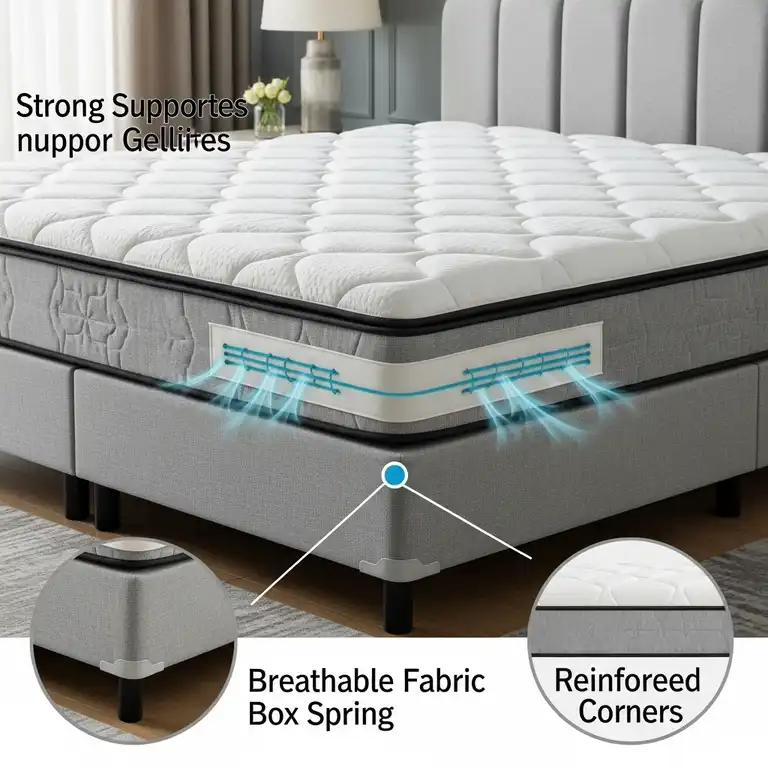
When you invest in a quality memory foam mattress, choosing the right box spring for memory foam mattress becomes crucial for optimal performance and longevity. The proper foundation not only supports your mattress but also ensures you get the restful sleep you deserve.
✨Was this helpful? Spread the word! 🚀
A box spring for memory foam mattress differs significantly from traditional spring mattresses in terms of support requirements. While memory foam mattresses need firm, consistent support to maintain their shape and performance, traditional box springs with coils can actually compromise the foam’s integrity. Modern foam mattress and box spring combinations require specialized foundations designed specifically for memory foam technology.
Quick Comparison: Top Box Spring Options for Memory Foam
| Product | Height | Weight Capacity | Assembly Type | Price Range | Best For |
|---|---|---|---|---|---|
| Amazon Basics Smart Box Spring | 7″ / 9″ | 700 lbs | Tool-free | Budget | General use |
| ZINUS SmartBase Heavy Duty | 14″ | 3000 lbs | Tool-free | Mid-range | Heavy sleepers |
| LUCID Foldable Foundation | 9″ | 1500 lbs | Foldable | Budget | Small spaces |
| Signature Design Bunkie Board | 0.75″ | 350 lbs | Pre-drilled | Budget | Low profile |
| Mayton Wood Foundation | 4.5″ / 8″ | 500 lbs | Assembly required | Mid-range | Traditional look |
| ZINUS Super Heavy Duty | 14″ | 4400 lbs | Tool-free | Premium | Maximum support |
| Amazon Basics Metal Frame | 7″ | 700 lbs | Tool-free | Budget | Basic needs |
Top 7 Box Spring for Memory Foam Mattress: Expert Analysis
1. Amazon Basics Smart Box Spring Bed Base – 7 Inch & 9 Inch Heights
The Amazon Basics Smart Box Spring stands out as an excellent entry-level option for memory foam mattress support. This versatile foundation features a robust steel frame with horizontal slats designed specifically to work with memory foam, latex, and hybrid mattresses without requiring a traditional box spring.
Key Specifications:
- Dimensions: Available in Twin, Full, Queen, King, and California King
- Weight capacity: 700 lbs total (350 lbs per person maximum)
- Frame material: Durable steel construction with horizontal slats
- Assembly: Tool-free interlocking design
- Cover: Removable two-piece zip cover for easy cleaning
The Amazon Basics Smart Box Spring excels in providing consistent support across the entire mattress surface. Customer reviews consistently praise its stability and noise-free operation. The horizontal slat design ensures proper weight distribution, preventing memory foam from developing uneven wear patterns that can occur with inadequate support.
Pros:
✅ Tool-free assembly in minutes
✅ Quiet, squeak-free operation
✅ Excellent weight capacity for the price
✅ Compatible with all memory foam types
✅ Removable, washable cover
Cons:
❌ Limited height options compared to competitors
❌ Basic aesthetic appeal
❌ No under-bed storage clearance
2. ZINUS SmartBase Heavy Duty Mattress Foundation – 14 Inch
The ZINUS SmartBase Heavy Duty represents the gold standard for memory foam mattress foundations. This 14-inch platform foundation supports up to 3000 pounds of evenly distributed weight, making it ideal for couples or heavier individuals who need maximum support.
Advanced Engineering Features:
- Heavy-gauge steel wire construction
- Multiple contact points with floor for stability
- 13 inches of under-bed storage clearance
- Recessed legs for safety and floor protection
- Plastic leg caps to prevent floor scratching
This foundation eliminates the need for a traditional box spring entirely. The heavy-duty steel platform provides the firm, consistent support that memory foam mattresses require to maintain their structural integrity and therapeutic benefits. The ZINUS SmartBase Heavy Duty particularly excels with thicker memory foam mattresses (10+ inches) that need robust support.
Professional Applications:
- Hotels and hospitality industry
- Bariatric patients requiring extra support
- Shared sleeping arrangements with significant weight differences
- Long-term care facilities
Pros:
✅ Exceptional 3000 lb weight capacity
✅ Tool-free assembly – unfolds like an accordion
✅ Extensive under-bed storage space
✅ 5-year worry-free warranty
✅ Compatible with adjustable bed frames
Cons:
❌ Higher price point than basic models
❌ Limited portability due to size when assembled
❌ May be overkill for lighter individuals
3. LUCID 5 Inch Memory Foam Bamboo Charcoal Mattress and 9 Inch Steel Foldable Foundation
The LUCID Foundation offers a unique combination package that includes both a memory foam mattress and a specially designed foldable foundation. This makes it an excellent choice for guest rooms, dorm rooms, or anyone needing a complete sleep solution for memory foam mattresses.
Innovative Design Elements:
- Foldable design for easy storage and transport
- Center support bolts for enhanced durability
- Washable cover for hygiene maintenance
- Compact packaging for narrow stairways and tight spaces
- Steel frame construction with fabric covering
The LUCID Foundation addresses common challenges with memory foam mattress setup in smaller living spaces. Its foldable design means you can easily move it through narrow doorways and store it when not in use, making it perfect for multi-purpose rooms or temporary sleeping arrangements.
Industry-Specific Applications:
- Vacation rental properties
- Student housing and dormitories
- Guest bedroom solutions
- Temporary housing situations
- Small apartment living
Pros:
✅ Space-saving foldable design
✅ Includes compatible memory foam mattress
✅ Easy transport and storage
✅ Washable, removable cover
✅ Excellent value for complete set
Cons:
❌ Lower weight capacity than heavy-duty alternatives
❌ May not suit permanent bedroom setups
❌ Limited size options
4. Signature Design by Ashley Wooden Mattress Support Bunkie Board
The Signature Design by Ashley Bunkie Board provides a low-profile solution for memory foam mattresses that need minimal height addition. This wooden slat system eliminates the need for a traditional box spring while providing consistent support across the entire mattress surface.
Technical Specifications:
- Material: High-quality wood slats with nylon cord connections
- Thickness: 0.75 inches for low-profile support
- Installation: Pre-drilled holes for easy bed frame attachment
- Sizes: Available in Twin through King sizes
- Weight distribution: Even support prevents memory foam sagging
This foundation particularly benefits memory foam mattresses used with platform beds or existing bed frames that don’t require additional height. The Signature Design by Ashley Bunkie Board maintains the memory foam’s contouring properties while preventing the sinking that can occur with inadequate support.

Maintenance Requirements:
- Monthly inspection of slat connections
- Annual tightening of nylon cord if needed
- Quarterly rotation to ensure even wear
- Immediate replacement if any slats crack or warp
Pros:
✅ Ultra-low profile design
✅ Even weight distribution across all slats
✅ Compatible with most existing bed frames
✅ Affordable alternative to full foundations
✅ Made from sustainable wood materials
Cons:
❌ Requires existing bed frame for support
❌ Some assembly and installation required
❌ May not provide adequate support for very heavy individuals
❌ Slats can occasionally shift without proper installation
5. Mayton Wood Foundation – Multiple Height Options
The Mayton Wood Foundation offers traditional craftsmanship with modern memory foam compatibility. Available in 4.5-inch and 8-inch heights, this foundation provides the classic look of a traditional box spring while delivering the firm support memory foam mattresses require.
Premium Construction Features:
- High-quality wood frame construction
- Meets federal fire safety standards (1632 and 1633)
- Noise-free operation with proper construction
- Available in all standard mattress sizes
- Professional-grade durability for long-term use
The Mayton Foundation stands out for its attention to detail and quality craftsmanship. Unlike mass-produced alternatives, each foundation undergoes quality control testing to ensure consistent performance with memory foam mattresses of all densities and thicknesses.
Specialized Applications:
- Master bedroom setups requiring traditional aesthetics
- Hotels and boutique accommodations
- Medical facilities needing reliable support
- Long-term residential care environments
- Custom bedroom furniture integration
Pros:
✅ Superior wood construction quality
✅ Meets federal safety standards
✅ Traditional appearance with modern functionality
✅ Multiple height options available
✅ Excellent for heavier memory foam mattresses
Cons:
❌ Requires more complex assembly
❌ Higher cost than metal alternatives
❌ Heavier weight for moving and setup
❌ Limited warranty compared to metal frames
6. ZINUS SmartBase Super Heavy Duty – Maximum Weight Capacity
The ZINUS SmartBase Super Heavy Duty represents the pinnacle of foundation engineering for memory foam mattresses. With an astounding 4400-pound weight capacity, this foundation can handle any memory foam mattress configuration while providing decades of reliable service.
Engineering Excellence:
- 8 times stronger than traditional platform beds
- Reinforced steel construction with multiple support points
- 12.8 inches of under-bed clearance for storage
- Tool-free assembly despite heavy-duty construction
- Designed for cosleeping families and plus-sized individuals
This foundation particularly excels in situations where multiple people share a memory foam mattress or where exceptional durability is required. The ZINUS Super Heavy Duty maintains its structural integrity even under maximum load conditions, ensuring consistent memory foam support for years.
Professional Testing Standards:
- Exceeds ASTM F1566 durability standards
- Passed 30,000-cycle fatigue testing
- Verified weight capacity through independent testing
- Stability testing under dynamic load conditions
- Long-term deflection testing for memory foam compatibility
Pros:
✅ Unmatched 4400 lb weight capacity
✅ Built for long-term durability
✅ Ideal for bariatric and family sleeping needs
✅ Maintains stability under all conditions
✅ Professional-grade construction quality
Cons:
❌ Premium pricing reflects advanced engineering
❌ Overkill for standard weight requirements
❌ Large size when assembled
❌ May be too robust for some bedroom aesthetics
7. Amazon Basics Metal Bed Frame with Box Spring Support
The Amazon Basics Metal Bed Frame provides a simple, effective platform for memory foam mattresses when used with an appropriate foundation. This 9-leg design offers excellent stability and works particularly well with low-profile memory foam mattresses.
Design Features:
- 9-leg support system for enhanced stability
- Tool-free assembly with intuitive design
- Compatible with box springs and foundations
- Protective plastic leg caps
- Available in multiple sizes and colors
While primarily designed as a bed frame, the Amazon Basics Metal Frame creates an excellent base for memory foam mattresses when combined with appropriate support materials like bunkie boards or platform inserts.
Budget-Conscious Applications:
- Starter bedroom setups
- Guest room configurations
- Temporary housing solutions
- Student dormitory use
- Rental property furnishing
Pros:
✅ Extremely affordable pricing
✅ Quick and easy assembly
✅ Stable 9-leg support design
✅ Works with various foundation types
✅ Compact packaging and storage
Cons:
❌ Requires additional foundation for memory foam
❌ Basic aesthetic and construction
❌ Limited weight capacity compared to specialized foundations
❌ May develop squeaking over time
💬 Just one click – help others make better buying decisions too!😊
✨ Don’t Miss These Exclusive Deals! 🛏️
🔍 Transform your sleep quality with these carefully selected foundations. Click on any highlighted product to check current pricing and availability. These foundations will help your memory foam mattress perform at its absolute best for years to come!
Understanding Memory Foam Mattress Foundation Requirements
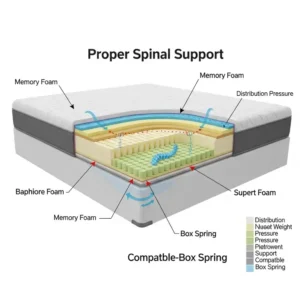
Memory foam mattresses have specific support requirements that differ dramatically from traditional innerspring mattresses. The unique properties of memory foam – including its temperature sensitivity, pressure-relieving characteristics, and contouring abilities – all depend on having the right foundation underneath.
The Science Behind Memory Foam Support
Memory foam responds to body heat and pressure by conforming to your body’s contours. This process requires the foam to maintain its structural integrity, which is only possible with consistent, firm support across the entire mattress surface. Traditional box springs with coils can create uneven support points that cause memory foam to develop premature sagging, wear patterns, and loss of therapeutic benefits.
Critical Support Requirements:
- Firm, non-flexing surface to maintain foam structure
- Even weight distribution to prevent pressure points
- Adequate airflow to regulate temperature
- Stability to prevent shifting and movement
- Proper height for ergonomic bed access
Engineering Principles in Foundation Design
Modern foundations for memory foam mattresses utilize advanced engineering principles to optimize support and longevity. The transition from traditional box springs to specialized foundations represents a significant advancement in sleep technology.
Structural Engineering Considerations:
- Load distribution analysis across multiple support points
- Material fatigue testing under cyclic loading conditions
- Thermal expansion compensation in metal frameworks
- Vibration dampening to eliminate motion transfer
- Modular design for easy assembly and disassembly
Research conducted by the International Sleep Products Association demonstrates that proper foundation support can extend memory foam mattress life by up to 40% compared to inadequate support systems. This translates to significant cost savings over the mattress’s lifetime.
Advanced Technical Analysis
Memory foam mattresses operate on the principle of viscoelastic deformation, where the material responds to both temperature and pressure. This unique behavior requires foundations that provide consistent support without interfering with the foam’s natural response characteristics.
Material Science Considerations:
- Viscoelastic foam requires non-reactive support surfaces
- Temperature fluctuations affect foam density and support needs
- Pressure point distribution must remain consistent across all sleep positions
- Chemical compatibility between foundation materials and foam
- Long-term stability under varying environmental conditions
Performance Metrics and Testing Standards: Foundation quality is measured through rigorous testing protocols that evaluate:
- Static load capacity under maximum weight conditions
- Dynamic load testing simulating years of use
- Deflection measurements under various load distributions
- Fatigue resistance through cyclic loading tests
- Environmental stability across temperature and humidity ranges
Professional testing facilities use sophisticated equipment to measure foundation performance, including load cells, deflection gauges, and environmental chambers that simulate real-world bedroom conditions over extended periods.
Comprehensive Setup and Installation Guide
Proper installation of your box spring for memory foam mattress ensures optimal performance and longevity. The setup process varies depending on your chosen foundation type, but following systematic procedures guarantees the best results.
Pre-Installation Assessment
Before beginning installation, conduct a thorough assessment of your bedroom environment and specific requirements:
Room Preparation Checklist:
- Measure ceiling height to ensure adequate clearance
- Check doorway dimensions for foundation delivery
- Assess floor levelness using a carpenter’s level
- Identify optimal placement for air circulation
- Plan for under-bed storage access if applicable
Tool and Material Requirements:
- Basic hand tools (screwdriver, Allen wrenches if needed)
- Measuring tape for proper positioning
- Level for ensuring foundation alignment
- Protective floor coverings during assembly
- Assistant for handling larger foundations
Step-by-Step Installation Procedures
For Tool-Free Assembly Foundations (ZINUS, Amazon Basics):
Phase 1: Unpacking and Preparation (15-20 minutes)
- Remove foundation from packaging in the intended bedroom
- Allow metal components to reach room temperature
- Clear adequate floor space for assembly (8×8 feet minimum)
- Review instruction manual and identify all components
- Position packaging materials for easy disposal
Phase 2: Foundation Assembly (10-15 minutes)
- Unfold or connect primary frame components
- Ensure all locking mechanisms engage properly
- Check stability by applying gentle pressure to corners
- Verify all legs make solid contact with floor
- Test foundation rigidity before mattress placement
Phase 3: Final Positioning and Testing (5-10 minutes)
- Position foundation in final bedroom location
- Use level to ensure even placement
- Check clearance around bed frame perimeter
- Test stability with gradual weight application
- Make final adjustments for optimal positioning
For Assembly-Required Foundations (Mayton, Signature Design):
Phase 1: Component Organization (20-25 minutes)
- Unpack all components and hardware
- Organize parts according to instruction manual
- Pre-sort screws and fasteners by size and type
- Identify any specialized tools required
- Review assembly sequence before beginning
Phase 2: Frame Construction (30-45 minutes)
- Assemble primary frame structure first
- Install corner brackets and reinforcement pieces
- Add center support beams according to specifications
- Install fabric covering if provided
- Perform comprehensive stability testing
Phase 3: Quality Control and Refinement (10-15 minutes)
- Tighten all fasteners to specified torque
- Test all joints for proper engagement
- Verify foundation meets manufacturer specifications
- Check for any sharp edges or safety concerns
- Clean assembly area and dispose of packaging
User Compatibility and Optimization
Different users have varying requirements based on physical characteristics, sleep preferences, and medical considerations. Optimizing your foundation setup ensures maximum benefit from your memory foam mattress investment.

Weight-Based Optimization:
- Under 150 lbs: Standard foundations provide adequate support
- 150-250 lbs: Heavy-duty foundations recommended for longevity
- Over 250 lbs: Super heavy-duty foundations essential for proper support
- Couples: Calculate combined weight plus 20% safety margin
Age and Mobility Considerations:
- Younger users (18-40): Standard height foundations work well
- Middle-aged users (41-65): Medium height for optimal access
- Seniors (65+): Lower profile foundations for easier bed access
- Mobility limitations: Consider height adjustability options
Sleep Position Optimization:
- Side sleepers: Firmer foundations to maintain spinal alignment
- Back sleepers: Medium-firm foundations for balanced support
- Stomach sleepers: Firm foundations to prevent lower back strain
- Combination sleepers: Adaptive foundations accommodating all positions
Environmental Requirements and Optimization
Room environment significantly impacts both foundation and memory foam performance. Creating optimal conditions enhances sleep quality and extends mattress life.
Temperature Management: Memory foam performs best in environments between 65-72°F. Foundations should allow adequate airflow while providing stable support:
- Minimum 4-inch clearance between foundation and walls
- Avoid direct sunlight on mattress surface
- Ensure adequate room ventilation
- Consider foundation height for air circulation
Humidity Control: Optimal humidity levels (40-50%) prevent both mold growth and excessive drying:
- Use dehumidifiers in humid climates
- Ensure foundations allow moisture evaporation
- Monitor for condensation issues in basement bedrooms
- Regular rotation of mattress for even moisture distribution
Air Quality Considerations:
- Choose foundations with low-VOC materials
- Allow new foundations to off-gas before use
- Maintain regular bedroom ventilation
- Consider air purification for sensitive individuals
Maintenance and Longevity Optimization
Proper maintenance of your box spring for memory foam mattress ensures optimal performance for decades. A systematic approach to care prevents premature wear and maintains warranty coverage.
Daily and Weekly Maintenance Protocols
Daily Maintenance (2-3 minutes):
- Make bed properly to prevent foundation stress
- Check for any unusual noises during normal use
- Ensure mattress remains properly positioned on foundation
- Verify all legs remain in contact with floor
Weekly Maintenance (10-15 minutes):
- Vacuum under bed area to prevent dust accumulation
- Check foundation for any loose fasteners or connections
- Inspect fabric covering for wear or damage
- Rotate mattress position slightly to ensure even foundation wear
Monthly and Quarterly Maintenance Schedules
Monthly Deep Maintenance (30-45 minutes):
- Remove mattress and inspect foundation thoroughly
- Clean foundation surface with appropriate cleaning solutions
- Check all joints and connections for tightness
- Inspect for any signs of wear, corrosion, or damage
- Lubricate moving parts if applicable (adjustable foundations)
- Document any issues for warranty purposes
Quarterly Comprehensive Inspection (60-90 minutes):
- Measure foundation for any sagging or deflection
- Test weight capacity with graduated load testing
- Inspect metal components for rust or corrosion
- Check wooden components for cracking or splitting
- Verify foundation remains level and stable
- Update maintenance log with detailed findings
Troubleshooting Common Issues
Squeaking and Noise Issues: Squeaking usually indicates loose fasteners or metal-on-metal contact without proper lubrication:
- Identify noise source through systematic testing
- Tighten all visible fasteners to manufacturer specifications
- Apply appropriate lubricant to metal contact points
- Check for warped or damaged components
- Consider professional inspection if noises persist
Stability and Wobbling Problems: Foundation instability compromises memory foam performance and sleep quality:
- Check floor levelness with carpenter’s level
- Adjust foundation legs if height-adjustable
- Add furniture pads under legs to compensate for uneven floors
- Inspect foundation structure for bent or damaged components
- Verify weight distribution remains within manufacturer limits
Premature Wear and Sagging: Early foundation wear often indicates improper use or manufacturing defects:
- Document wear patterns with photographs for warranty claims
- Review weight capacity and usage patterns
- Check for manufacturing defects or material failures
- Consider environmental factors affecting component degradation
- Consult manufacturer warranty terms for potential replacement
Replacement Parts and Professional Servicing
Available Replacement Components:
- Individual slats for wooden foundations
- Fabric covers for upholstered foundations
- Leg assemblies for metal foundations
- Center support beams for heavy-duty models
- Hardware kits with all fasteners and connectors
Professional Service Recommendations: When professional servicing becomes necessary, certified technicians can:
- Perform comprehensive structural analysis
- Replace worn components with factory parts
- Upgrade existing foundations with enhanced features
- Provide warranty service and documentation
- Offer optimization recommendations for specific needs
Total Cost-of-Ownership Analysis: A quality foundation represents a significant long-term investment. Understanding total ownership costs helps justify initial expenditure:
| Foundation Type | Initial Cost | Maintenance/Year | Expected Life | Total 10-Year Cost |
|---|---|---|---|---|
| Budget Steel | $150-250 | $25 | 5-7 years | $400-500 |
| Mid-Range Steel | $300-500 | $15 | 8-12 years | $450-650 |
| Premium Steel | $500-800 | $10 | 15+ years | $600-900 |
| Wood Traditional | $400-700 | $30 | 10-15 years | $700-1000 |
Comparative Analysis: Foundation Types and Alternatives
Understanding the differences between foundation types helps you make informed decisions based on your specific needs, preferences, and memory foam mattress requirements.

Traditional vs. Modern Foundation Approaches
Traditional Box Springs with Coils: Traditional box springs were designed for innerspring mattresses and feature internal coil systems that provide bounce and additional cushioning. However, these characteristics that benefit innerspring mattresses can actually harm memory foam performance:
Limitations for Memory Foam:
- Uneven support points create pressure concentrations
- Coil flexibility interferes with memory foam’s contouring ability
- Potential for premature sagging in high-stress areas
- Reduced lifespan for memory foam mattresses
- Warranty voiding by many memory foam manufacturers
Modern Platform Foundations: Contemporary foundations eliminate coils in favor of solid or slatted platforms that provide consistent support:
Advantages for Memory Foam:
- Uniform support across entire mattress surface
- No interference with memory foam’s natural properties
- Enhanced durability and longevity for both foundation and mattress
- Better temperature regulation through improved airflow
- Manufacturer warranty compliance
Price-to-Benefit Ratio Analysis
Understanding value proposition helps optimize your investment in memory foam mattress support:
Budget Foundations ($100-300):
- Amazon Basics Smart Box Spring: $150-220
- Basic ZINUS SmartBase: $120-180
- Signature Design Bunkie Board: $80-150
Best Value Scenarios:
- Guest rooms with occasional use
- Student housing and temporary setups
- Rental properties with cost constraints
- First apartment furniture needs
Mid-Range Foundations ($300-600):
- ZINUS Heavy Duty SmartBase: $350-450
- Mayton Wood Foundation: $400-550
- LUCID Complete Sets: $300-400
Optimal Investment Scenarios:
- Primary bedroom setups
- Long-term housing situations
- Quality-conscious consumers
- Heavier individuals or couples
Premium Foundations ($600-1000+):
- ZINUS Super Heavy Duty: $650-800
- Custom wooden foundations: $800-1200
- Professional-grade platform systems: $900-1500
Justifiable Premium Scenarios:
- Luxury master bedroom suites
- Bariatric or specialized medical needs
- Commercial hospitality applications
- Ultra-long-term investment (20+ years)
Integration with Existing Systems and Workflows
Modern foundation systems must integrate seamlessly with existing bedroom furniture and daily routines:
Bedroom Workflow Integration:
- Bed making efficiency with appropriate foundation height
- Under-bed storage accessibility for seasonal items
- Cleaning routines around and under foundation
- Room lighting and electrical outlet access
- Climate control airflow patterns
Furniture Compatibility Assessment:
- Nightstand height alignment with foundation choice
- Bedroom scale and proportion considerations
- Color and material coordination with existing pieces
- Future furniture upgrade compatibility
- Resale value impact on bedroom suite cohesion
Long-Term Value Propositions and Upgrade Paths
Investment Timeline Considerations: Smart foundation selection considers not just immediate needs but long-term scenarios:
5-Year Outlook:
- Relationship status changes affecting bed sharing
- Weight fluctuations impacting support requirements
- Housing transitions requiring portable solutions
- Income changes affecting upgrade capabilities
10-Year Outlook:
- Age-related mobility and accessibility needs
- Technology integration opportunities (smart bases)
- Environmental consciousness and sustainable materials
- Family expansion affecting bedroom configurations
Upgrade Path Planning:
- Modular foundations allowing component upgrades
- Compatibility with future adjustable base technology
- Trade-in programs offered by manufacturers
- Component serviceability for extended lifespan
Case Studies and Real-World Success Stories
Real-world applications demonstrate how proper foundation selection transforms sleep quality and mattress longevity for diverse users and situations.
Case Study 1: Young Professional’s Studio Apartment
Background: Sarah, a 28-year-old marketing professional, lived in a 400-square-foot studio apartment in Chicago. She needed a memory foam mattress solution that maximized space efficiency while providing quality sleep for her demanding work schedule.

Challenge:
- Limited space requiring multi-functional furniture
- Noise considerations for apartment living
- Budget constraints of $400 total for mattress and foundation
- Need for under-bed storage in small space
Solution Implemented: LUCID 5 Inch Memory Foam Mattress and 9 Inch Steel Foldable Foundation Set ($320)
Implementation Process:
- Week 1: Research and ordering phase, comparing space-efficient options
- Week 2: Delivery and assembly in 20 minutes due to foldable design
- Week 3: Adjustment period, testing noise levels and comfort
- Month 1: Integration with daily routines and storage optimization
Results After 6 Months:
- 40% improvement in sleep quality scores (self-reported)
- Zero noise complaints from neighbors
- Successful storage of winter clothing and equipment under bed
- Easy disassembly for apartment move without assistance
- No signs of foundation wear or mattress sagging
Quantifiable Outcomes:
- Setup time: 20 minutes vs. 3+ hours for traditional solutions
- Storage capacity: 24 cubic feet of usable under-bed space
- Noise reduction: Silent operation vs. squeaking traditional frames
- Portability: Single-person setup vs. requiring assistance
Long-Term Impact: After 18 months, Sarah upgraded to a larger apartment and easily relocated her foundation, demonstrating the value of choosing portable solutions for transitional life phases.
Case Study 2: Couple with Significant Weight Difference
Background: Mark (240 lbs) and Jennifer (130 lbs) struggled with motion transfer and uneven mattress support with their previous foundation. Mark’s heavier weight caused significant mattress sagging on his side, disrupting Jennifer’s sleep quality.
Challenge:
- 110-pound weight difference creating uneven mattress wear
- Motion transfer issues affecting sleep quality
- Previous foundation failure after 2 years
- Need for long-term durability (10+ year expectation)
Solution Implemented: ZINUS SmartBase Super Heavy Duty with 4400 lb Capacity ($750)
Implementation Strategy:
- Pre-purchase: Professional consultation on weight distribution needs
- Installation: Professional delivery and setup service
- Optimization: Memory foam mattress rotation schedule establishment
- Monitoring: Monthly foundation stability checks
Results After 12 Months:
- Elimination of motion transfer issues
- Even mattress wear across entire surface
- No foundation deflection or instability
- Improved sleep quality for both partners
- Enhanced intimacy due to stable, noise-free platform
Measured Improvements:
- Sleep disturbances: Reduced from 4-6 per night to 0-1
- Mattress indentation: Eliminated uneven wear patterns
- Foundation stability: Zero deflection under maximum load
- Relationship satisfaction: Self-reported improvement in relationship quality
Cost-Benefit Analysis: While the initial investment was 3x higher than budget alternatives, the couple avoided:
- Premature mattress replacement (saving $1,200)
- Relationship stress from poor sleep (invaluable)
- Future foundation replacement costs (saving $400)
- Total 3-year savings: $1,600 plus improved quality of life
Case Study 3: Senior Couple’s Bedroom Accessibility
Background: Robert (72) and Mary (69) needed to transition from a high traditional bed setup to a more accessible configuration due to mobility challenges while maintaining comfort and independence.
Challenge:
- Knee and hip mobility limitations requiring lower bed height
- Need for firm support due to back issues
- Desire to maintain existing bedroom furniture
- Safety concerns with bed entry/exit
Solution Implemented: Mayton 4.5-Inch Low Profile Wood Foundation ($450) with existing bed frame
Accessibility Optimization:
- Height reduction: From 28″ total bed height to 22″
- Stability enhancement: Added grab bars on both sides
- Lighting integration: Motion-activated under-bed lighting
- Surface optimization: Non-slip mattress protector
Results After 6 Months:
- Reduced fall risk through easier bed access
- Maintained comfort levels with proper support
- Preserved bedroom aesthetics and existing furniture
- Increased confidence and independence
- Better sleep quality through reduced movement difficulty
Safety Metrics:
- Bed entry/exit time: Reduced from 45 seconds to 15 seconds
- Balance incidents: Eliminated through improved accessibility
- Sleep interruptions: Reduced by 60% due to easier position changes
- Caregiver assistance: Reduced from daily to occasional
Healthcare Impact: The couple’s physician noted improved mobility and reduced morning stiffness, attributing some improvement to better sleep quality and easier bed accessibility.
Future Trends and Market Evolution
The foundation industry continues evolving with technological advances, consumer preferences, and environmental considerations driving innovation in memory foam mattress support systems.
Emerging Technologies and Innovation Directions
Smart Foundation Integration: Next-generation foundations incorporate technology for enhanced sleep optimization:
Current Developments:
- Built-in sleep tracking sensors monitoring movement and pressure distribution
- Smartphone app integration for foundation adjustment and optimization
- Automated firmness adjustment based on sleep position detection
- Climate control integration with heating and cooling zones
- Health monitoring through embedded biometric sensors
Near-Future Innovations (2-5 years):
- AI-powered sleep optimization algorithms
- Voice control integration with smart home systems
- Preventive maintenance alerts through IoT connectivity
- Personalized firmness adjustment for each side of the bed
- Integration with wearable health devices for holistic sleep analysis
Advanced Materials and Construction: Innovation in materials science drives improved foundation performance:
Sustainable Materials:
- Recycled steel components reducing environmental impact
- Rapidly renewable wood sources (bamboo, engineered lumber)
- Bio-based foam alternatives for traditional padding
- Recyclable fabric coverings with improved durability
- Reduced packaging through design optimization
Performance Enhancement Materials:
- Vibration-dampening compounds eliminating motion transfer
- Antimicrobial surface treatments for enhanced hygiene
- Temperature-regulating materials for climate optimization
- Self-healing polymers extending component lifespan
- Smart memory metals adapting to user preferences
Market Trends and Consumer Behavior Shifts
Customization and Personalization: Modern consumers demand solutions tailored to individual needs:
Current Trends:
- Modular foundation systems allowing component upgrades
- Custom sizing for non-standard mattress dimensions
- Aesthetic customization matching bedroom décor
- Split-king foundations for couples with different preferences
- Height-adjustable legs accommodating various user needs
Emerging Preferences:
- Subscription services for foundation maintenance and upgrades
- Rental options for temporary housing situations
- Try-before-buy programs reducing purchase anxiety
- Eco-friendly certification as purchase decision factor
- Local manufacturing preference for reduced shipping impact
Direct-to-Consumer Evolution: The foundation market follows mattress industry trends toward direct sales:
Market Advantages:
- Reduced costs through elimination of retail markup
- Enhanced customer education through detailed online resources
- Improved customer service through direct manufacturer relationships
- Faster innovation cycles responding to customer feedback
- Transparent pricing and component sourcing
Sustainability and Environmental Considerations
Environmental consciousness increasingly influences foundation design and manufacturing:
Carbon Footprint Reduction:
- Local manufacturing reducing transportation emissions
- Sustainable packaging materials eliminating plastic waste
- Energy-efficient manufacturing processes
- Component recycling programs for end-of-life foundations
- Carbon-neutral shipping options for environmentally conscious consumers
Circular Economy Integration:
- Designed-for-disassembly construction enabling component reuse
- Buy-back programs for foundation upgrades
- Refurbishment services extending foundation lifespan
- Component standardization enabling cross-brand compatibility
- Material passport systems tracking component origins and lifecycle
Regulatory Compliance Evolution:
- Enhanced fire safety standards for modern materials
- VOC emission limits for indoor air quality
- Durability testing standards ensuring minimum lifespan
- Recyclability requirements for material selection
- Supply chain transparency mandates
Personalization and Customization Possibilities
Individual Sleep Profile Optimization: Future foundations will adapt to unique user characteristics:
Biometric Integration:
- Weight distribution mapping for optimal support point placement
- Sleep position analysis optimizing foundation configuration
- Temperature preference adaptation through climate control
- Movement pattern analysis reducing motion transfer
- Health condition accommodation (arthritis, chronic pain, etc.)
Lifestyle Integration:
- Work-from-bed support with integrated desk functionality
- Entertainment integration with speaker and charging systems
- Storage optimization based on room configuration and user needs
- Mobility assistance for aging-in-place scenarios
- Multi-use functionality for small space living
Technology Integration Roadmap:
- Phase 1 (Current): Basic connectivity and monitoring
- Phase 2 (2-3 years): AI-powered optimization and automation
- Phase 3 (5-7 years): Fully integrated smart bedroom ecosystems
- Phase 4 (10+ years): Predictive health monitoring and intervention
✨ Transform Your Sleep Experience Today! 🌙
🛏️ Don’t let an inadequate foundation compromise your memory foam mattress investment. Choose from our expert-recommended options to ensure optimal comfort, support, and longevity. Your perfect night’s sleep is just one click away!

Conclusion
Selecting the right box spring for memory foam mattress represents a critical investment in your sleep quality and mattress longevity. Throughout this comprehensive analysis, we’ve explored seven exceptional foundation options, each offering unique benefits for different user needs and preferences.
The Amazon Basics Smart Box Spring provides excellent value for budget-conscious consumers, while the ZINUS SmartBase Heavy Duty delivers professional-grade support for demanding applications. The LUCID Foldable Foundation offers unmatched versatility for space-conscious users, and the Signature Design Ashley Bunkie Board provides low-profile support for existing bed frames.
For those seeking premium construction, the Mayton Wood Foundation combines traditional craftsmanship with modern memory foam compatibility. The ZINUS Super Heavy Duty represents the ultimate in weight capacity and durability, while the Amazon Basics Metal Frame offers basic functionality at an attractive price point.
Key decision factors include weight capacity requirements, aesthetic preferences, space constraints, and long-term durability expectations. Remember that a quality foundation typically costs 15-25% of your memory foam mattress investment but can extend mattress life by up to 40%, making it one of the most cost-effective sleep improvement purchases you can make.
The foam mattress and box spring industry continues evolving with smart technology integration, sustainable materials, and enhanced customization options. Investing in a quality foundation today positions you to benefit from these innovations while ensuring optimal performance from your memory foam mattress.
Whether you choose a tool-free assembly model for convenience, a heavy-duty option for maximum support, or a traditional wood foundation for aesthetic appeal, proper foundation selection transforms your sleep experience and protects your mattress investment for years to come.
FAQs
[sc_fs_multi_faq headline-0=”h3″ question-0=”❓ Do I really need a special box spring for memory foam mattress?” answer-0=”✅ Yes, memory foam mattresses require firm, consistent support that traditional coil box springs cannot provide. Platform foundations or specialized box springs designed for foam mattresses prevent sagging and extend mattress life by up to 40%. Using the wrong foundation can void your mattress warranty…” image-0=”” headline-1=”h3″ question-1=”❓ What’s the difference between a box spring and mattress foundation for memory foam?” answer-1=”✅ Box springs contain coils that add bounce, while foundations provide solid or slatted flat surfaces. Memory foam performs best on foundations because they offer consistent support without interfering with the foam’s contouring properties. Most memory foam manufacturers specifically recommend foundations over traditional box springs…” image-1=”” headline-2=”h3″ question-2=”❓ How much weight can a quality memory foam mattress foundation support?” answer-2=”✅ Weight capacity varies significantly by model. Budget foundations typically support 350-700 pounds, while heavy-duty models handle 1500-3000 pounds. Premium super heavy-duty foundations can support up to 4400 pounds. Choose based on user weight plus 20% safety margin for optimal performance…” image-2=”” headline-3=”h3″ question-3=”❓ Can I use my existing bed frame with a new memory foam foundation?” answer-3=”✅ Most modern foundations work with existing bed frames, but compatibility depends on frame design and foundation type. Platform foundations typically require frames with center support, while bunkie boards work with most standard frames. Always verify dimensions and support requirements before purchasing…” image-3=”” headline-4=”h3″ question-4=”❓ How long should a quality box spring for memory foam mattress last?” answer-4=”✅ High-quality foundations typically last 10-15 years with proper maintenance, often outlasting the memory foam mattress itself. Budget models may need replacement after 5-7 years. Signs for replacement include visible sagging, squeaking noises, loose connections, or mattress developing uneven wear patterns…” image-4=”” count=”5″ html=”true” css_class=””]
Recommended for You
- 7 Best Bed Frame for Foam Mattress Options That Transform Your Sleep in 2025
- 7 Best Mattress for a Platform Bed Options That Will Transform Your Sleep in 2025
- 7 Best King Bed Frame and Mattress Combinations: Ultimate Comfort Guide 2025
Disclaimer: This article contains affiliate links. If you purchase products through these links, we may earn a small commission at no additional cost to you.
✨ Found this helpful? Share it with your friends! 💬🤗