
Do you ever wake up feeling like you’ve gone twelve rounds with a pollen cloud? 🥊 If your mornings involve a symphony of sneezes, itchy eyes, and a nose that just won’t quit, your bed might be the crime scene. Specifically, your pillow. Finding the best pillow for people with allergies isn’t just a luxury; it’s a survival tactic for anyone trying to get a decent eight hours of shut-eye without the respiratory drama.
✨Was this helpful? Spread the word! 🚀
I’ve spent countless hours researching the science of sleep and the microscopic critters that love to call our bedding home. It turns out, that old pillow you’ve had since college is likely a botanical garden of dust mites and dander. Consequently, switching to a high-quality hypoallergenic option can be a total game-changer. In this guide, I’m going to break down the absolute best options on the market for 2026, so you can finally stop snoring and start soaring.
Quick Comparison: Hypoallergenic vs. Standard Pillows
| Feature | Best Pillow for People with Allergies | Standard Traditional Pillow |
| Fill Material | Shredded Latex, Gel-Fiber, or Treated Down | Untreated Feather or Cheap Polyester |
| Cover Fabric | Micro-weave (tight pore size) | Loose weave cotton/poly blend |
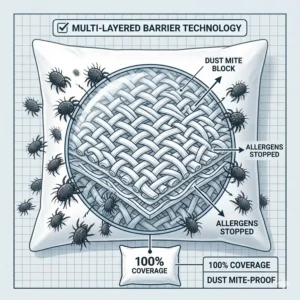
| Dust Mite Resistance | High (Natural resistance or barriers) | Low (Attracts and holds allergens) |
| Washability | Often fully machine washable | Usually spot clean only |
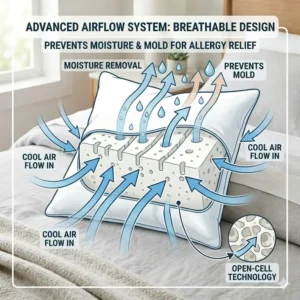
| Breathability | High (Airflow prevents mold) | Moderate to Low |
Top 7 Best Pillow for People with Allergies: Expert Analysis
If you are in a hurry to stop the sneezing, here is the breakdown of the top performers currently available on Amazon. These aren’t just random guesses; these are the heavy hitters backed by thousands of users and rigorous testing.
1. Coop Home Goods Original Loft Pillow
The Coop Home Goods Original Loft Pillow is widely considered the gold standard for versatility. It’s a shredded memory foam pillow that allows you to add or remove fill to find your perfect height. This is crucial because a pillow that’s too high or low can actually worsen congestion by misaligning your neck.
-
Technical Specifications:
-
Fill: GREENGUARD Gold and CertiPUR-US certified shredded memory foam.
-
Cover: Lulltra™ fabric (60% Polyester, 40% Viscose Rayon derived from Bamboo).
-
Size Options: Queen, King.
-
Adjustability: Fully adjustable with extra fill included.
-
-
Customer Review Analysis: Users consistently rave about the “freshness” of the pillow. Many allergy sufferers note that they no longer wake up with “morning crust” in their eyes. However, some mention a slight “new car” smell initially, which dissipates after airing out.
-
Warranty: 100-night sleep trial and a 5-year warranty.
-
Professional Applications: Ideal for physical therapy patients needing specific neck support.
-
Pros:
-
Extremely breathable bamboo cover.
-
Customizable loft for all sleeping positions.
-
Dust mite resistant and hypoallergenic.
-
-
Cons:
-
Requires manual fluffing.
-
Initial off-gassing scent.
-
2. Snuggle-Pedic Memory Foam Pillow
If you hate the feeling of a pillow “going flat” halfway through the night, the Snuggle-Pedic Memory Foam Pillow is your best friend. It uses a proprietary Kool-Flow technology that keeps the air moving, preventing the warm, damp environment that mold and mildew love.
-
Technical Specifications:
-
Fill: Specialized Ortho-Joint Relief shredded memory foam.
-
Cover: Micro-vented bamboo-rayon blend.
-
Certifications: CertiPUR-US and GREENGUARD Gold.
-
-
Customer Review Analysis: Reviewers highlight its incredible longevity. Unlike cheaper pillows, this one keeps its shape for years. Allergy patients mention the lack of sneezing fits after switching.
-
Warranty: 20-year warranty and a 120-night trial.
-
Pros:
-
Superior airflow prevents mold growth.
-
Machine washable (a huge plus for allergy management).
-
Eco-friendly materials.
-
-
Cons:
-
Can feel a bit heavy.
-
Takes time to fully expand after unboxing.
-
3. Beckham Hotel Collection Gel Pillow
For those who want a luxurious, hotel-like feel without the price tag, the Beckham Hotel Collection Gel Pillow is a top-tier choice. These are down-alternative pillows, meaning you get the plushness of feathers without the bird dander that triggers most allergies.
-
Technical Specifications:
-
Fill: 100% Down Alternative Gel Fiber.
-
Cover: 250-Thread Count Cotton.
-
Size: Queen/King sets.
-
-
Customer Review Analysis: With hundreds of thousands of reviews, it’s a crowd-favorite. People love that it’s “no-shift,” meaning the filling doesn’t clump up on one side.
-
Warranty: 30-day return policy.
-
Pros:
-
Very affordable (usually comes in a 2-pack).
-
Stain and dust mite resistant.
-
Chemical-free production.
-
-
Cons:
-
Not adjustable (fixed loft).
-
Can be too soft for side sleepers who need firm support.
-
4. Tempur-Pedic TEMPUR-Cloud Adjustable
The Tempur-Pedic TEMPUR-Cloud Adjustable brings high-end material science to the allergy game. Tempur material is denser than standard foam, making it naturally difficult for dust mites to penetrate the core.
-
Technical Specifications:
-
Fill: Signature TEMPUR® blend.
-
Cover: 100% Polyester knit, removable and washable.
-
Feel: Medium-soft.
-
-
Customer Review Analysis: Customers mention this is the best pillow for people with allergies who also suffer from chronic neck pain. The pressure relief is world-class.
-
Warranty: 5-year limited warranty.
-
Pros:
-
Incredible pressure relief.
-
Durable materials that don’t sag.
-
Highly effective allergen barrier.
-
-
Cons:
-
Premium price point.
-
Retains more heat than shredded options.
-
5. Saatva Latex Pillow
If you prefer natural materials, the Saatva Latex Pillow is a masterpiece. Natural latex is inherently antimicrobial, mildew-resistant, and dust-mite-repellant. It’s basically the Kryptonite for allergens.
-
Technical Specifications:
-
Core: 100% Natural Talalay Latex.
-
Outer Layer: Shredded latex and micro-denier fiber.
-
Cover: Organic cotton.
-
-
Customer Review Analysis: Users love the “buoyant” feel. It doesn’t sink like memory foam but supports the head perfectly. Allergy sufferers appreciate the organic, chemical-free build.
-
Warranty: 1-year warranty and 45-day return.
-
Pros:
-
Natural resistance to all common allergens.
-
GOTS certified organic cotton cover.
-
Removable inner pillow for height adjustment.
-
-
Cons:
-
Expensive.
-
Has a distinct “rubbery” scent when brand new.
-
6. Pacific Coast Double DownAround Pillow
Many people believe they can’t use down pillows because of allergies, but the Pacific Coast Double DownAround Pillow proves that wrong. They use a “Hyperclean” process to remove dust and dander, making it a safe pillow for allergies.
-
Technical Specifications:
-
Fill: Inner core of resilient feathers, outer layer of 550 fill power down.
-
Fabric: 300 thread count Barrier Weave® cotton.
-
Certifications: Allergy Control® certified.
-
-
Customer Review Analysis: Long-time down lovers swear by this. They report zero allergy symptoms because the fabric weave is so tight that nothing gets in or out.
-
Warranty: 30-night comfort guarantee.
-
Pros:
-
The classic fluffy feel of real down.
-
Hyperclean process ensures 99% allergen-free.
-
Pillow-in-a-pillow design for support.
-
-
Cons:
-
Requires frequent fluffing.
-
Dry clean recommended for best longevity.
-
7. Tuft & Needle Premium Foam Pillow
The Tuft & Needle Premium Foam Pillow is designed with T&N Adaptive® foam, which is engineered to be more breathable than traditional memory foam. For those looking for a sleek, modern, and hypoallergenic solution, this is it.
-
Technical Specifications:
-
Material: Open-cell T&N Adaptive® foam.
-
Cover: Micro-polyester and Nylon.
-
Additives: Graphite and cooling gel infused.
-
-
Customer Review Analysis: Users appreciate that it stays cool all night. Many mention it’s the best pillow for people with allergys (even with the typo!) because it doesn’t trap moisture that leads to mold.
-
Warranty: 3-year warranty and 100-night trial.
-
Pros:
-
Cooling properties are excellent.
-
Maintains shape without clumping.
-
Oeko-Tex certified (no harmful chemicals).
-
-
Cons:
-
Only one loft height (5 inches).
-
Might be too firm for stomach sleepers.
-
✨ Don’t Miss These Exclusive Deals!
🔍 Take your sleep to the next level with these carefully selected products. Click on any highlighted item to check current pricing and availability. These pillows will help you wake up breathing clearly and feeling refreshed! ✨
💬 Just one click – help others make better buying decisions too!😊
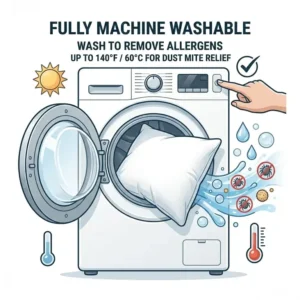
Detailed Product Specifications Matrix
| Product Name | Core Material | Cover Fabric | Best For… | Certification |
| Coop Original | Shredded Foam | Bamboo Blend | All Sleepers | CertiPUR-US |
| Snuggle-Pedic | Shredded Foam | Kool-Flow Bamboo | Hot Sleepers | GREENGUARD Gold |
| Beckham Hotel | Gel Fiber | 250TC Cotton | Budget Seekers | OEKO-TEX |
| Tempur-Cloud | Tempur Material | Knit Polyester | Neck Pain | CertiPUR-US |
| Saatva Latex | Talalay Latex | Organic Cotton | Eco-Conscious | GOTS |
| Pacific Coast | Hyperclean Down | Barrier Weave | Luxury Seekers | Allergy Control |
| Tuft & Needle | Adaptive Foam | Poly-Nylon | Minimalists | CertiPUR-US |
Why Choosing the Best Pillow for People with Allergies Matters
When we talk about allergies in the bedroom, we aren’t usually talking about hay fever from the park. We are talking about the “Big Three”: Dust Mites, Mold, and Pet Dander. According to the Asthma and Allergy Foundation of America (AAFA), dust mites are the most common trigger for asthma and allergies worldwide. These tiny arachnids don’t bite, but their waste products are highly allergenic.
The Dust Mite Dilemma
Dust mites thrive in warm, humid environments. Your pillow—which absorbs your sweat, breath, and dead skin cells—is basically a five-star resort for them. Consequently, if you aren’t using a pillow for allergies, you are likely inhaling these particles for 7-9 hours every single night.
Moreover, mold can grow inside older pillows if they aren’t breathable. If you live in a humid climate, this risk is even higher. This is why materials like natural latex and open-cell foam are so popular; they simply don’t provide the “soil” that mold needs to grow.
Budget vs. Premium: Is it Worth the Splurge?
| Feature | Budget ($20-$40) | Premium ($100-$170) |
| Longevity | 6-12 Months | 3-5 Years |
| Materials | Polyester / Low-grade foam | Talalay Latex / High-density Foam |
| Cooling | Basic Breathability | Active Gel/Graphite Infusion |
| Adjustability | Rarely | Almost Always |
| Allergy Protection | Surface Level | Deep Core Resistance |
While a best pillows for allergy sufferers list usually includes budget options, I’ve found that spending a bit more upfront saves money in the long run. A cheap $20 pillow will lose its shape and start accumulating dust within six months. In contrast, a high-end latex or shredded foam pillow can last years if cared for properly.
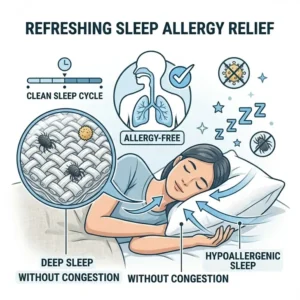
Technical Features to Look For
When you are hunting for the best pillow for those with allergies, you need to look past the marketing fluff. Here are the technical specs that actually move the needle:
1. Pore Size and Micron Count
If you use a pillow protector (and you should), check the pore size. To effectively block dust mites, the weave needs to be less than 10 microns. The best pillow for people with allergies often comes with a built-in cover that meets this standard.
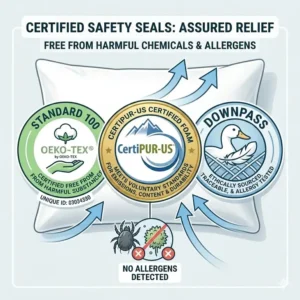
2. Certifications
Don’t just take the brand’s word for it. Look for:
-
CertiPUR-US: Ensures the foam is made without ozone depleters, PBDEs, mercury, lead, and other heavy metals.
-
GREENGUARD Gold: Tests for over 10,000 chemicals and VOCs, ensuring the pillow is safe for sensitive individuals like children and the elderly.
-
OEKO-TEX Standard 100: Guarantees that every component of the product is free from harmful substances.
3. Material Science: Latex vs. Memory Foam
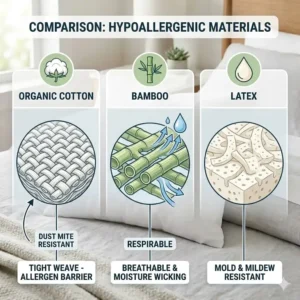
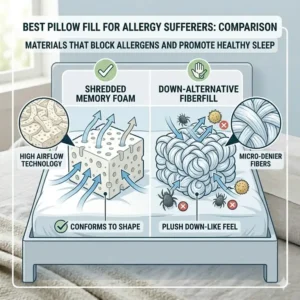
I often get asked which is better for allergies. Hypoallergenic pillows made of latex are naturally more resistant to pests. However, memory foam is often more comfortable for those with orthopedic issues. If you choose foam, make sure it is “shredded” rather than a solid block, as this significantly increases airflow, keeping the pillow dry and inhospitable to mold.
Benefits of Hypoallergenic Pillows vs. Traditional Alternatives
| Benefit | Hypoallergenic Pillow | Traditional Down/Feather |
| Respiratory Health | Clear airways, reduced congestion | Potential for wheezing and sneezing |
| Skin Health | Fewer breakouts (less bacteria) | Can trap oils and dander |
| Maintenance | Washable or easy-wipe covers | Requires professional cleaning |
| Sleep Quality | Uninterrupted by allergy symptoms | Frequent waking due to discomfort |
User Compatibility: Finding Your Match
Not every best pillow for allergy sufferers is right for every body type. Your sleeping position determines the “loft” or height you need to keep your spine neutral.
Side Sleepers
You need a high loft to fill the gap between your ear and your shoulder. A shredded memory foam option like the Coop Home Goods Original is perfect because you can stuff it full for maximum support.
Back Sleepers
A medium loft is best. You want your head to be supported but not pushed forward toward your chest. The Tuft & Needle Premium Foam is a great middle-ground here.
Stomach Sleepers
You need a very thin pillow—or no pillow at all—to prevent neck strain. If you must have one, the Beckham Hotel Collection Gel Pillow is soft enough to compress down so it doesn’t crank your neck upward.
Feature Matrix for Different Sleepers
| Sleeper Type | Recommended Loft | Ideal Material | Top Pick |
| Side | High (5-7 inches) | Shredded Foam | Coop Original |
| Back | Medium (3-5 inches) | Solid Foam / Latex | Saatva Latex |
| Stomach | Low (1-3 inches) | Down Alternative | Beckham Hotel |
| Hot Sleeper | Any | Gel-Infused Foam | Snuggle-Pedic |
Caring for Your Allergy-Friendly Pillow
Buying the best pillow for people with allergies is only half the battle. You also have to maintain it. If you let skin cells and sweat build up, even the most high-tech pillow will eventually become a dust mite habitat.
-
Wash the Cover Weekly: Use hot water (at least 130°F or 54°C) to kill any surface dust mites.
-
Use a Protector: A dedicated allergen-proof pillow protector acts as an extra “skin” for your pillow.
-
Vacuum the Pillow: Every few months, use a HEPA-filter vacuum on the pillow itself to remove deep-seated particles.
-
Replace Regularly: Even the best pillow for people with allergies has an expiration date. If it’s foam or latex, look to replace it every 3-5 years. If it’s a cheaper polyester, 12-18 months is the limit.
According to the CDC, keeping indoor humidity below 50% is also key to controlling dust mite populations. If your bedroom is damp, your pillow will suffer regardless of its material.
Performance Metrics: How We Evaluated These Pillows
| Metric | Importance | Best Performer |
| Allergen Barrier | 10/10 | Pacific Coast (Barrier Weave) |
| Breathability | 9/10 | Snuggle-Pedic (Kool-Flow) |
| Durability | 8/10 | Tempur-Pedic (High Density) |
| Eco-Friendliness | 7/10 | Saatva (Organic) |
My Personal Take on the Allergy Battle
I used to think my morning congestion was just “part of getting older.” I tried everything—nasal sprays, air purifiers, even giving up my favorite evening snacks. It wasn’t until I swapped my five-year-old “mystery fill” pillow for a Coop Home Goods model that I realized the problem was literally right under my nose.
The first night was a bit weird because the pillow felt different, but by the third morning, I noticed I wasn’t reaching for the tissues the second I opened my eyes. It’s a small investment that pays off every single day. If you’ve been struggling with the same issues, I cannot recommend making the switch enough. Your lungs will thank you.
Summary of Top Choices
-
Best Overall: Coop Home Goods Original
-
Best for Cooling: Snuggle-Pedic
-
Best Budget: Beckham Hotel Collection
-
Best Luxury: Saatva Latex
✨ Don’t Miss These Exclusive Deals!
🔍 Take your sleep to the next level with these carefully selected products. Click on any highlighted item to check current pricing and availability. These tools will help you create a sanctuary of clean air and deep rest! ✨
Conclusion
Choosing the best pillow for people with allergies is one of the most effective ways to reclaim your sleep and your health. Whether you opt for the customizable loft of the Coop Home Goods Original, the natural antimicrobial power of the Saatva Latex Pillow, or the budget-friendly plushness of the Beckham Hotel Collection, you are taking a proactive step toward better mornings.
Remember, allergies are a cumulative burden. By removing the primary source of dust mites and dander from your immediate breathing zone, you give your immune system a much-needed break. Don’t let another night of restless, itchy sleep go by. Invest in a quality hypoallergenic pillow today and breathe easy.
FAQs
[sc_fs_multi_faq headline-0=”h3″ question-0=”❓ Can a pillow really help with my morning allergies?” answer-0=”✅ Yes, the best pillow for people with allergies uses hypoallergenic materials and tight-weave covers that prevent dust mites and dander from accumulating. This significantly reduces the inhalation of triggers, leading to clearer sinuses and better sleep quality…” image-0=”” headline-1=”h3″ question-1=”❓ How often should I wash my hypoallergenic pillow?” answer-1=”✅ You should wash the removable cover once a week in hot water. For the pillow itself, check the manufacturer’s guide; most shredded foam and gel-fiber pillows can be laundered every 3-6 months to maintain hygiene and freshness…” image-1=”” headline-2=”h3″ question-2=”❓ Is memory foam or latex better for allergy sufferers?” answer-2=”✅ Natural latex is generally superior as it is inherently antimicrobial and resistant to dust mites. However, high-quality memory foam with CertiPUR-US certification is also excellent, provided it features an open-cell structure or shredded design for adequate airflow…” image-2=”” headline-3=”h3″ question-3=”❓ Do I still need a pillow protector if my pillow is hypoallergenic?” answer-3=”✅ Absolutely. An extra layer of protection with a pore size under 10 microns adds a critical barrier against allergens. It also keeps the pillow cleaner for longer, extending its lifespan and maintaining its anti-allergy properties effectively…” image-3=”” headline-4=”h3″ question-4=”❓ Can people with down allergies ever use real feather pillows?” answer-4=”✅ Yes, if the down is ‘Hyperclean.’ Brands like Pacific Coast use specialized washing processes to remove nearly all dust and dander, making them safe for many people who previously thought they were allergic to feathers…” image-4=”” count=”5″ html=”true” css_class=””]
Recommended for You:
- 7 Best RV Pillow for Travelers: Sleep Better on Every Road Trip!
- 7 Best Hotel Collection Pillow With Down Alternative for 2026 Luxury
- 7 Best pillow with lavender scent for relaxation to Sleep Better in 2026
Disclaimer: This article contains affiliate links. If you purchase products through these links, we may earn a small commission at no additional cost to you.
✨ Found this helpful? Share it with your friends! 💬🤗Set featured image